

Candidates don't check one channel before they apply. They check at least three.
81% of candidates now research an employer's brand across three or more separate platforms before applying, and TikTok employer content is up 214% versus 2024 at 1.3 billion monthly impressions (Amra & Elma, 2026). Meanwhile your company page reach keeps sliding and your feed is one recruiter graphic away from silence. That's why a documented social media strategy for employer branding has moved from nice-to-have to a line item you have to defend.
Here's the tension you walked in with: You own this program. Your company page reach is falling. You can't cleanly prove the thing is working. And a competitor's founder is quietly out-posting your entire brand account from a phone.
Employer branding on social now lives in your team's personal profiles, not your company account. Build the program around people and treat the page as support.
TL;DR, the five-step employer brand social framework:
- Audit what candidates see across LinkedIn, Glassdoor, Instagram, and TikTok.
- Define three to four content pillars.
- Assign channel roles.
- Activate people, not just the page (this is where the reach comes from).
- Measure monthly and loop results back into the pillars.
Two numbers to hold onto: documented strategies are 2.8x more likely to report above-average hiring outcomes, and personal profiles get far more reach than company pages right now.
What a Social Media Strategy for Employer Branding Is (and Isn't)
A social media strategy for employer branding is a documented system for using social channels to shape how candidates perceive your company as a place to work. It differs from corporate brand marketing because the audience is talent, not buyers, and it differs from recruitment advertising because it centers on organic perception, not paid job ads.
That distinction matters more than it sounds. General social media marketing chases pipeline. This chases how a senior engineer feels about you at 11pm when she's deciding whether to open your careers page or your competitor's. Recruitment ads promote a specific req, but employer branding is the reputation that makes those ads convert once they run.
The shift toward treating this as a real program is measurable. 71% of organizations with more than 1,000 employees now run a formally documented employer brand strategy, up from 57% in 2024, and documented strategies are 2.8x more likely to report above-average hiring outcomes (Amra & Elma, 2026). Ad hoc posting from the company account isn't a strategy. It's a habit that dies the first busy week.
The Five-Step Employer Brand Social Framework
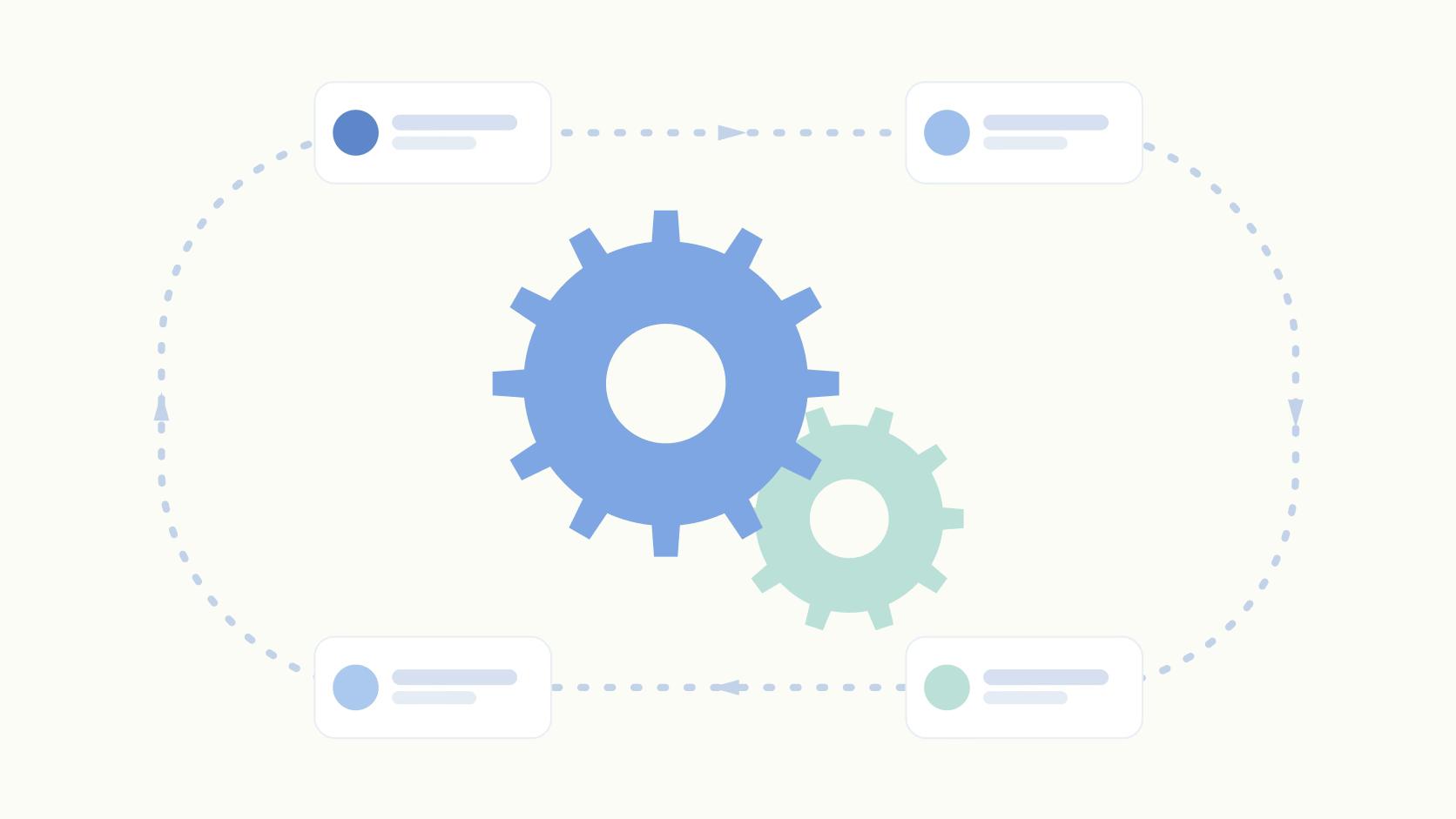
Run this as a loop, not a launch. Here's the social media strategy a lean team can actually execute.
- Audit what candidates already see. Pull your last three months of company posts, read your Glassdoor reviews and your responses (or lack of them), and search your company name on LinkedIn, Instagram, and TikTok the way a candidate would. Write down the gap between what you think you project and what's actually visible. Plenty of teams find their company page is a graveyard of event photos while their Glassdoor sits unanswered.
- Define three or four content pillars. Pick from culture and behind-the-scenes, employee stories, leadership point of view, and hiring moments. Four is plenty. The pillars exist so five different people can post without needing you to approve every idea.
- Assign channel roles. LinkedIn carries professional storytelling and leadership voice, and it's where employer branding on LinkedIn does the heaviest lifting. Instagram and TikTok reach younger candidates with culture content. Glassdoor and Indeed are where you do reputation response, replying to reviews like a human instead of a legal department.
- Activate people, not just the page. Founders, hiring managers, and employees post from personal profiles. This is the whole game, and the reason it gets the most space below. A hiring manager's honest "here's what my week actually looked like" post beats any polished recruiter graphic your page could publish. If you're formalizing this, an employee advocacy program gives you the structure to keep it consistent.
- Measure monthly and loop. Once a month, look at what pulled comments and saves, what drove applications, and feed that back into your pillars. Kill the pillar nobody engages with. Double the one that hires.
Why Employee Voice Beats the Company Account
The company page is the wrong center of gravity for employer branding in 2026.
The obvious objection is that you don't control what employees post. Right, and that's the point.
Scripting kills it. Candidates can smell a ghostwritten "I'm thrilled to announce" from three scrolls away. What you control is light governance: the pillars, a one-line brief, and an optional approval step for anyone nervous about going off-brand. Give a hiring manager a topic and a deadline, not a script.
And candidates trust a hiring manager's day-in-the-life over a recruiter's graphic every time. That trust is the asset. It doesn't transfer to a company logo no matter how good the design is.
So build a personal brand for the five to ten people who'll carry the program, and let the page play backup.
Measuring Employer Brand Social ROI
Track three tiers: awareness (impressions and follower growth among target roles), engagement (comments and saves on culture content), and conversion (applications and hires you can attribute to social).
Awareness proves reach, engagement proves resonance, and conversion is the tier your CFO cares about.
The mechanics are simpler than most teams assume. Put UTM tags on every job link you share so applications trace back to the post that drove them. Add a "where did you first hear about us" question to the application form. Calculate cost-per-application-via-social by dividing your program cost by attributable applications, then compare it against your paid job-ad cost per application.
And run earned media value on organic employer content to put a dollar figure on reach you didn't pay for.
This tier is worth defending because leaders rate the channel highly. 68% of talent acquisition leaders say social media is one of the most effective tools for spreading awareness about their employer brand, according to a talent leaders survey, and 54% of talent leaders rated social effective for growing their employer brand in 2025, a sharp jump from prior years (employer brand trends). When budget season hits, this section is where the line item survives.
Running This Without a Big Budget or an Agency
The SERP assumes you need a dedicated employer branding team. You don't. A three-person marketing team activating five employees and one founder covers more ground than a solo company account ever will, because you're posting from seven personal profiles instead of one throttled page.
"You don't need the whole entire company posting to start. You can always start with a smaller pilot program of just three to five people that'll actually show up." (Jeffrey Zhao, Co-Founder at Ordinal)
Watch the full video: LinkedIn Creators Biggest Content Mistake
The tactics are about repetition (not volume). Film one culture moment and cut it into three posts across three profiles. Batch employee stories quarterly so you're not chasing sign-off every week. Set up a light approval workflow so nervous execs can review before anything goes live, which keeps posts on-brand without you playing editor in Slack all day.
The constraint here was never budget. It's whether you have a repeatable system for pillars, approvals, and consistency, because the program dies the month someone gets busy and the cadence breaks.
Where to Start This Week
The behavior is settled: candidates research across at least three platforms, and the reach lives in personal profiles, not your logo. So point the program there.
Do three things this week. Pick your three content pillars. Name the five people you'll activate, including one founder or exec. Set two KPIs you'll report every month, one awareness and one conversion. That's a functioning program, not a plan waiting on headcount.
The hard part isn't the strategy. It's keeping five to ten people posting consistently without it collapsing into a Slack thread of half-approved drafts. Managing multi-person employer brand posting, drafting, approvals, auto-engagement so posts don't die in the first ten minutes, and earned media value reporting for the budget conversation is exactly what Ordinal handles. Set the system up once and the cadence holds when the busy week hits.
Frequently Asked Questions
What Is a Social Media Strategy for Employer Branding?
It's a documented plan for using social channels to shape how potential candidates see your company as a place to work. The audience is talent, not buyers, and the goal is organic perception rather than paid job ads. Ad hoc posting from a company page doesn't count. A real strategy has content pillars, assigned channel roles, and someone checking the numbers monthly.
Which Social Media Platforms Matter Most for Employer Branding?
LinkedIn carries professional storytelling and leadership voice, Instagram and TikTok reach younger candidates through culture content, and Glassdoor and Indeed shape reputation through reviews and responses. According to Amra & Elma's 2026 research, 81% of candidates check three or more platforms before applying, so betting everything on one channel leaves real gaps in what candidates see.
How Do You Measure Employer Branding on Social Media?
Track three tiers: awareness (impressions and follower growth among your target roles), engagement (comments and saves on culture content), and conversion (applications and hires you can trace back to social). UTM links on job posts and a simple "where did you hear about us" field on applications connect the dots between a post and an actual hire.
Why Do Employee Posts Outperform the Company Account for Employer Branding?
LinkedIn's algorithm now favors personal profiles over company pages, and candidates trust a real employee's take over a branded graphic every time. Roughly 3% of employees who share company content drive about 30% of a company's total engagement, which means your five most active people matter more than your entire company feed.
Can a Small Team Run an Employer Brand Social Strategy Without an Agency?
Yes. A three-person marketing team activating five employees and one founder covers more ground than a company account posting alone. The constraint was never budget. It's whether you have a repeatable system for content pillars, approvals, and consistency across several employee voices.
How Often Should You Post Employer Branding Content?
Aim for a steady weekly cadence across activated personal profiles rather than daily posts from a single company account. Consistency across several employee voices beats volume from one channel. A weekly rhythm from five people gives candidates far more to find than a daily post from one page.
What's the Difference Between Employer Branding and Recruitment Marketing?
Employer branding shapes long-term perception of you as an employer, while recruitment marketing promotes specific open roles. Social strategy supports both, but employer branding is the organic foundation that makes recruitment ads convert better once they run.
Related Posts
Looking to learn more? The below posts may be helpful for you to learn more about social media and content marketing.