


AI was supposed to end ghostwriting.
Anyone can prompt ChatGPT into a passable LinkedIn post, so why would a founder pay a human to do it? The data says the opposite happened. The industry ended 2025 on an upswing, reversing a 2024 dip, as clients recognized AI's limitations (Association of Ghostwriters, 2025), and 61% of writers used AI for support while only 7% used it to generate content.
So the buying decision is more complicated than "just use AI." If you're a founder who already tried handing your LinkedIn to a marketing hire or an agency and watched it fall apart, the fix probably isn't a better writer. It's a better process. The posts that sound nothing like you and the drafts you rewrite over Slack at midnight come from the same missing piece: an approval workflow between draft and publish.
TL;DR:
- LinkedIn ghostwriting retainers run from a few hundred to several thousand dollars a month. Serious books now center above $50,000, approaching $100,000 for human-only authorship.
- AI is a copilot, not a replacement. Only 7% of writers use it to generate content.
- When to hire: once you've decided internal versus external, matched the writer to the format, and can name who drafts, who edits, and who signs off. If you can't answer that last part, a $50K writer won't save you.
What Is Executive Ghostwriting?
Executive ghostwriting is the practice of a professional writer producing content published under an executive's name, built from the executive's own ideas and voice. That content includes LinkedIn posts, op-eds, keynote speeches, bylined books, and internal memos. The writer supplies structure and craft. The executive supplies the thinking.
The good ones work as strategic partners rather than writers-for-hire. They decide what's worth saying as much as how to say it, which is the part a busy founder can't hand off to a template. This has been standard practice far longer than most people assume.
"I would argue that almost always, CEOs have always been using ghostwriters. This is actually taking their thoughts from third-party sources and restructuring the substance in the right style and formatting." — Jeffrey Zhao
What separates executive ghostwriting from generic corporate content is voice matching. A marketing team writing for the brand can sound like the brand. A ghostwriter writing for you has to sound like you, down to the phrases you'd never use and the ones you always do.
Internal vs. External Executive Ghostwriting
Internal and external executive ghostwriting are two distinct jobs that most guides lump together. Internal work is aimed at your employees and stakeholders. External work is aimed at the market.
The skill sets overlap but don't match.
Internal ghostwriting covers all-hands scripts, change communications, crisis statements, and board memos. The goal is clarity and trust inside the building. External ghostwriting covers LinkedIn thought leadership, op-eds, keynote speeches, and bylined books. The goal is reach and authority outside it.
Here's how the two split:
- Internal: the audience is employees and the board, the format is scripts and memos, and comms or the exec's chief of staff usually owns it.
- External: the audience is customers, prospects, and press, the format is posts, articles, and speeches, and marketing usually owns it.
A founder deciding whether to build or buy this capability should start here.
The ghostwriter vs. in-house question changes depending on which type you need. Internal work often stays in-house because it requires context outsiders don't have. External work is where hiring a specialist pays off.
How Much Does Executive Ghostwriting Cost in 2026?
Executive ghostwriting costs range from a few hundred dollars per LinkedIn post to $100,000 for a full book, depending on format and whether the writer commits to human-only authorship. There's no single price because you're not buying a single thing.
Rough ranges by format:
- LinkedIn posts: retainers commonly run from a few hundred to several thousand dollars a month, depending on cadence and how strategic the engagement is.
- Op-eds and bylined articles: usually priced per piece, higher than a single post because of the reporting and pitching involved.
- Speeches and keynotes: priced per event, since a keynote is a bespoke, high-stakes deliverable.
- Full books: the center of the curve now sits above $50,000, approaching $100,000 when the ghostwriter commits to no AI use (Association of Ghostwriters, 2025).
This isn't a fringe expense, either. The ghostwriting market size hit $4.28 billion globally in 2025, forecast to reach $7.66 billion by 2033 at a 7.56% CAGR (Cognitive Market Research, 2025). And it's US-heavy: North America accounted for 47.86% of that revenue in 2025, or $2.05 billion (Cognitive Market Research, 2025).
For a North American B2B SaaS founder, this is a normal budget line.
The real spread is between two kinds of engagement.
A basic posting retainer gets you drafts. A strategic, high-touch engagement gets you someone who decides what you should be known for and builds a body of work toward it. The second costs more because it's worth more, and because the person doing it also builds the approval rhythm that keeps you from becoming the bottleneck.
How to Vet and Hire an Executive Ghostwriter
The vetting step most founders skip is the one that predicts whether this works: how the writer captures your voice, and how the two of you will move a draft to published without a Slack war. Run these five checks before signing.
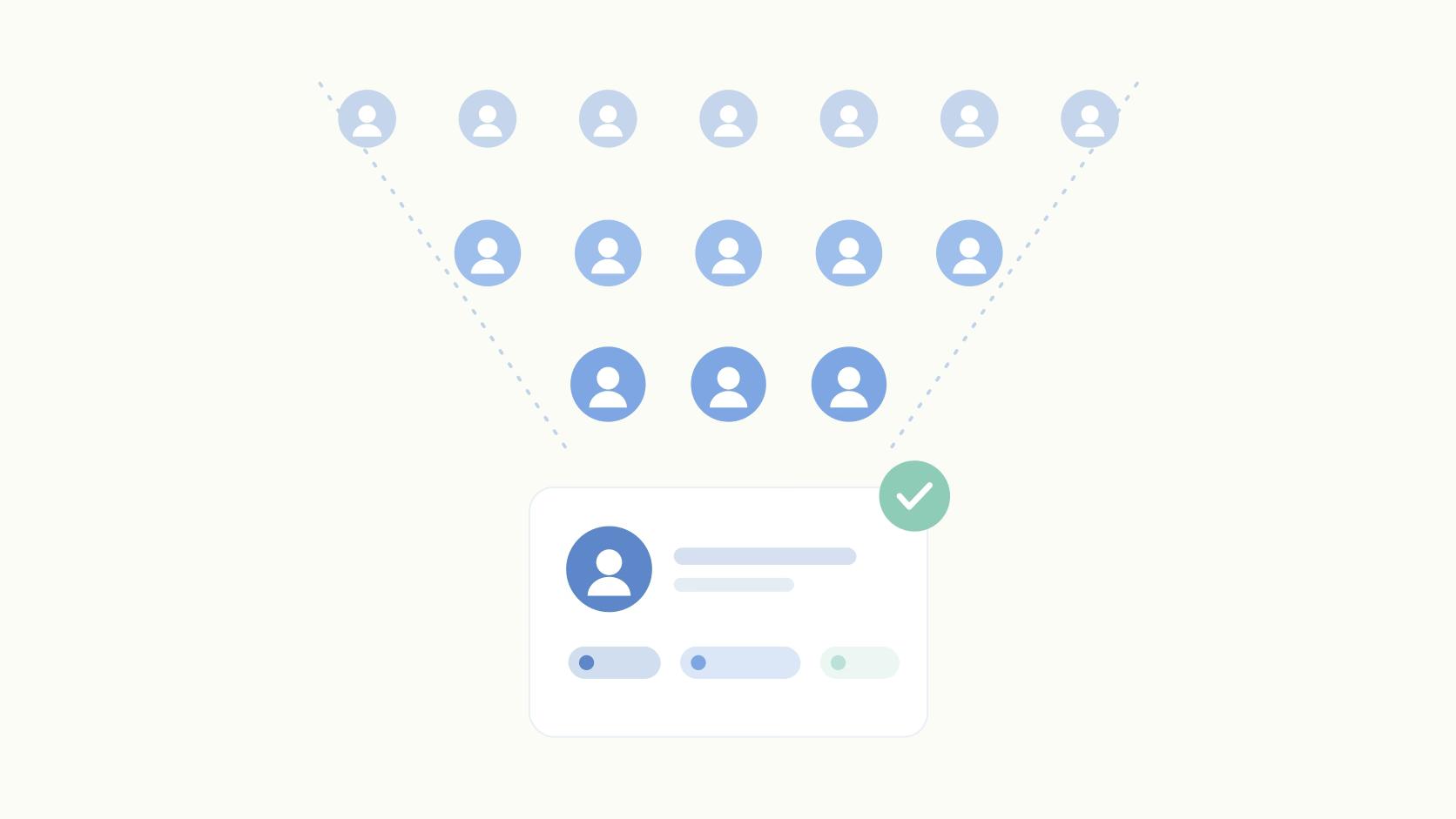
- Ask for voice-match samples, not portfolio pieces. Anyone can show polished writing. You want proof they can disappear into someone else's voice, so ask to see the same writer's work for two different clients and check whether the two sound like different people.
- Interrogate the discovery process. How do they capture your voice? Recorded interviews, mining your existing posts, transcribing voice memos? A writer with no repeatable capture method will guess, and guessing is how you get posts that sound nothing like you.
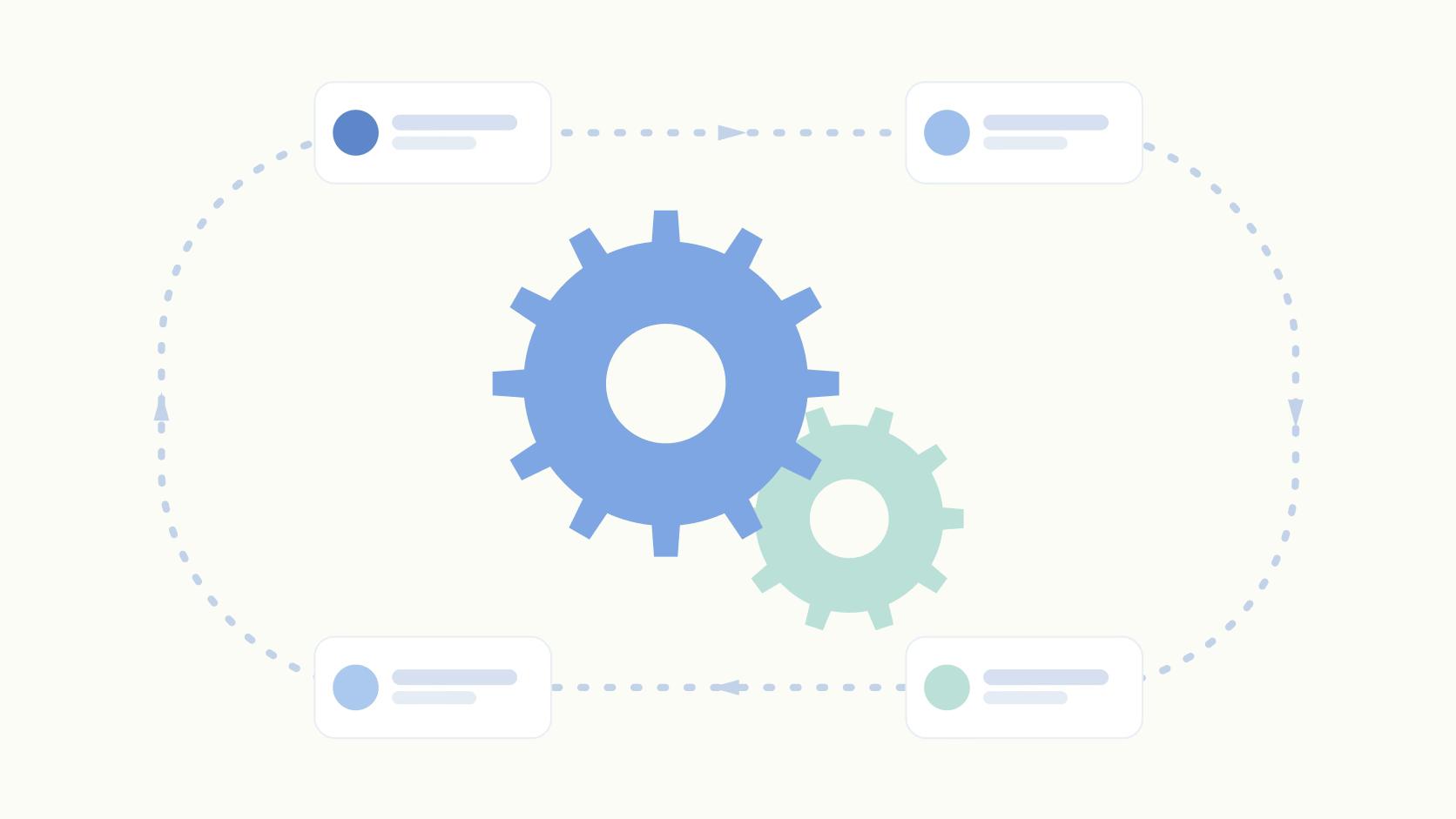
- Confirm the approval workflow in concrete terms. Who drafts, who edits, who signs off, and how fast? Get them to describe the loop for a dozen posts a month, not one. This mechanic decides whether you micromanage every draft or let junk go out under your name.
- Check format fit. A great LinkedIn ghost isn't automatically a speechwriter, and a book collaborator may be slow on short-form. Match the person to the format you actually need.
- Lock the legal and AI terms in writing: NDA, IP and copyright transfer, byline attribution, and a stated AI policy. If a candidate won't put their AI use in writing, that's your answer.
AI vs. Human Ghostwriters
Here's my position: AI is a copilot for executive ghostwriting, not necessarily a replacement, and the numbers back it. According to the 2025 ghostwriting report, 61% of writers used AI for support in 2025, but only 7% used it to generate content. Demand for human ghostwriters rose that same year even as the tools got cheaper and better.
The obvious objection is fair, "Why not just prompt it yourself and save the money?" Because the bottleneck for a busy founder was never drafting speed. You could generate ten posts in an afternoon. The problem is voice fidelity and knowing what's worth saying, and generic AI fails at both.
It produces competent, forgettable content that reads like everyone else's competent, forgettable content, which on LinkedIn gets you nothing.
"Here's a simple test. If AI could have written your post word for word without knowing anything about your business, we wouldn't recommend posting it." (Jeffrey Zhao, Co-Founder at Ordinal)
Watch the full video: LinkedIn Creators Biggest Content Mistake
Why not just prompt it yourself and save the money? Because the bottleneck for a busy founder was never drafting speed. You could generate ten posts in an afternoon. The problem is voice fidelity and knowing what's worth saying, and generic AI fails at both. It produces competent, forgettable content that reads like everyone else's competent, forgettable content, which on LinkedIn gets you nothing.
That said, tools like Ordinal do learn from your founder's real human writing. One of the problem's we've seen, however, is when executives us AI drafts to train future AI writing, and then wonder why all their outputs sound like AI.
You do need real human-written examples if you want unique outputs in nuanced, perspective-driven voices for your executive team.
Where This Leaves You
Do these three things in order:
1. Decide internal versus external first, because it changes who you hire and whether you hire at all.
2. Then match the ghostwriter to the format you need most.
3. Finally, lock the NDA, IP transfer, and AI policy before anyone starts.
Here's the part most guides skip. Once the content exists, the thing that breaks isn't the prose.
It's everything between draft and publish. The exec who wants to see every post before it goes live, the marketing hire waiting on sign-off, the posts that die because nobody engaged in the first ten minutes.
That's a workflow problem, and Slack pings don't solve it. A tool like Ordinal handles the approvals, the does-it-sound-like-me review with version history, the scheduling, and the auto-engagement, so a ghostwriter's work reaches the feed instead of stalling in someone's DMs. Buy the writer for the voice. Build the system so the voice actually ships.
Frequently Asked Questions
How Much Does an Executive Ghostwriter Cost?
It depends on the format. LinkedIn ghostwriting retainers typically run from a few hundred to several thousand dollars a month, while serious book-length projects now center above $50,000 and can approach $100,000 when the client wants a fully human, no-AI process, according to the 2025 ghostwriting report from the Association of Ghostwriters.
Is Executive Ghostwriting Ethical?
Yes, as long as the ideas originate with the executive and the ghostwriter shapes structure and voice rather than inventing opinions from scratch. Ghostwriting has been standard practice for CEOs, politicians, and authors for decades. The ethical line sits at authorship of the ideas, not who physically types the draft.
Will a Ghostwriter Make My Content Sound Like AI Wrote It?
Not if you vet carefully. Only 7% of ghostwriters use AI to generate content outright, while 61% use it for research and support work behind the scenes. Ask any candidate for their AI policy in writing and request voice-match samples before signing anything.
What's the Difference Between Internal and External Executive Ghostwriting?
Internal ghostwriting covers all-hands scripts, change communications, and board memos aimed at employees and stakeholders. External ghostwriting covers LinkedIn posts, op-eds, keynotes, and books aimed at the market. Some writers handle both, but the skills involved aren't identical, so it's worth asking which one a candidate specializes in.
Who Owns the Content a Ghostwriter Produces?
That comes down to the contract, not a legal default. Most executive ghostwriting agreements transfer full IP and copyright to the client and include an NDA along with a byline attribution clause. Confirm all of this in writing before any work starts, not after the first draft lands.
Related Posts
Looking to learn more? The below posts may be helpful for you to learn more about social media and content marketing.