

Open your GA4 right now and look at the direct traffic number. A big chunk of that isn't people typing your URL from memory. That's dark social: traffic and sharing that happens in private channels your analytics can't see, and it's quietly stealing credit from your social program.
According to GWI, 63% of consumers turn to dark social channels to share, compared with 54% who use open social platforms (GWI, 2025). More sharing now happens where you can't measure it than where you can.
Dark social is a bigger blind spot for B2B teams than for anyone else, because B2B buyers make their real decisions in private channels: Slack communities, LinkedIn DMs, group chats, internal buying-committee threads.
By the time someone fills out your form, the conversation that mattered already happened somewhere you'll never see it.
TL;DR:
- Dark social is web traffic and sharing through private channels (email, DMs, messaging apps) that gets misclassified as "direct" because the referrer data is stripped.
- It wrecks attribution by dumping social-driven visits into your "direct traffic" bucket, so social looks like it's underperforming when it isn't.
- The B2B version, the dark funnel, is worse: entire buying committees research you privately before you ever know they exist.
- You can't get 1:1 attribution, but GA4 segmentation, UTM discipline, and a "how did you hear about us" field surface most of the signal.
What Is Dark Social?
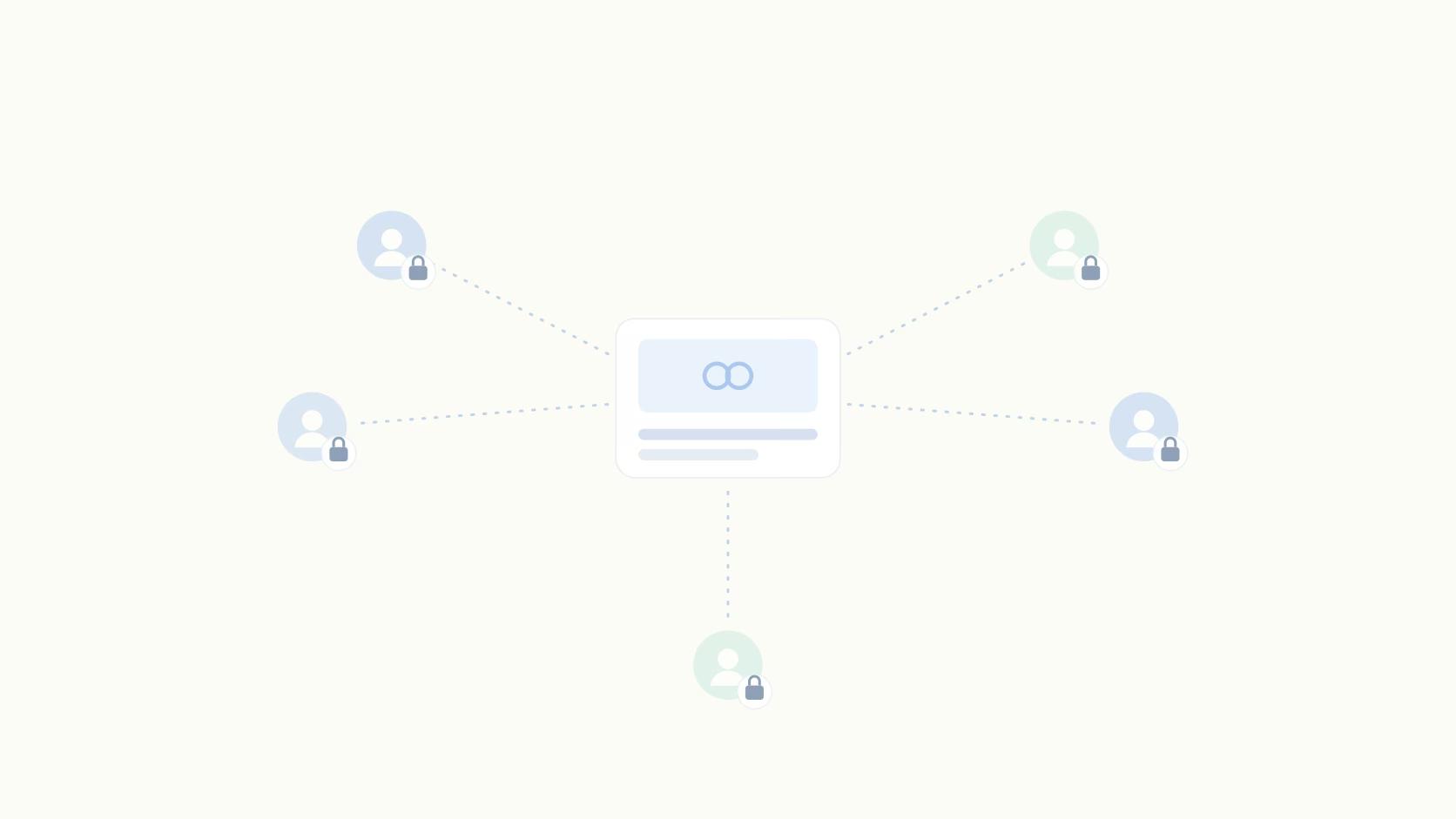
Dark social is web traffic and content sharing that happens through private channels like email, direct messages, messaging apps, and private Slack or LinkedIn groups, where the referrer data gets stripped so analytics tools misclassify the visit as "direct." When your colleague forwards a case study link in a group chat and someone clicks it, your analytics has no idea LinkedIn or WhatsApp sent that person.
Two quick clarifications, because the name confuses people. Dark social isn't the dark web, which is the encrypted, Tor-accessed corner of the internet tied to illegal marketplaces.
And it isn't quite the same as the B2B dark funnel, which we'll get to. Alexis Madrigal coined the term in The Atlantic in 2012.
The channels where dark social lives:
- Private messaging apps like WhatsApp, Signal, and Facebook Messenger
- Direct messages on LinkedIn, Instagram, and X
- Private groups, forums, and Slack communities
Why Dark Social Shows Up as "Direct Traffic"
When someone clicks a link inside a messaging app, an email client, or a private group, the browser often sends no referrer information. GA4 has nowhere to file that visit, so it dumps it into "Direct / None," right alongside people who genuinely typed your URL.
A few mechanics cause this. Links shared over secure connections that lead to less-secure pages lose their referrer. In-app browsers, the mini-browser inside LinkedIn or Slack, frequently strip it. And plain copy-paste sharing, someone highlighting your URL and dropping it into a DM, carries no referrer at all.
GWI found that around 20% of consumers share content only through dark social channels like WhatsApp and Facebook Messenger, with zero activity on open networks (GWI, 2025). A fifth of your potential audience is invisible to any measurement that relies on public feeds. They're sharing, they're influencing, and they're leaving no trace your dashboard can read.
So if your direct traffic keeps climbing and you haven't run a rebrand, a billboard, or any offline push that would send people typing your name, you're almost certainly looking at dark social.
Dark Social vs. the B2B Dark Funnel
Here's where I'll pick a fight with most of what's been written about dark social. The popular framing, the WhatsApp meme shares and product-rec forwards, badly undersells the problem for B2B. Those consumer-sharing numbers are close to irrelevant to how a SaaS deal actually gets made.
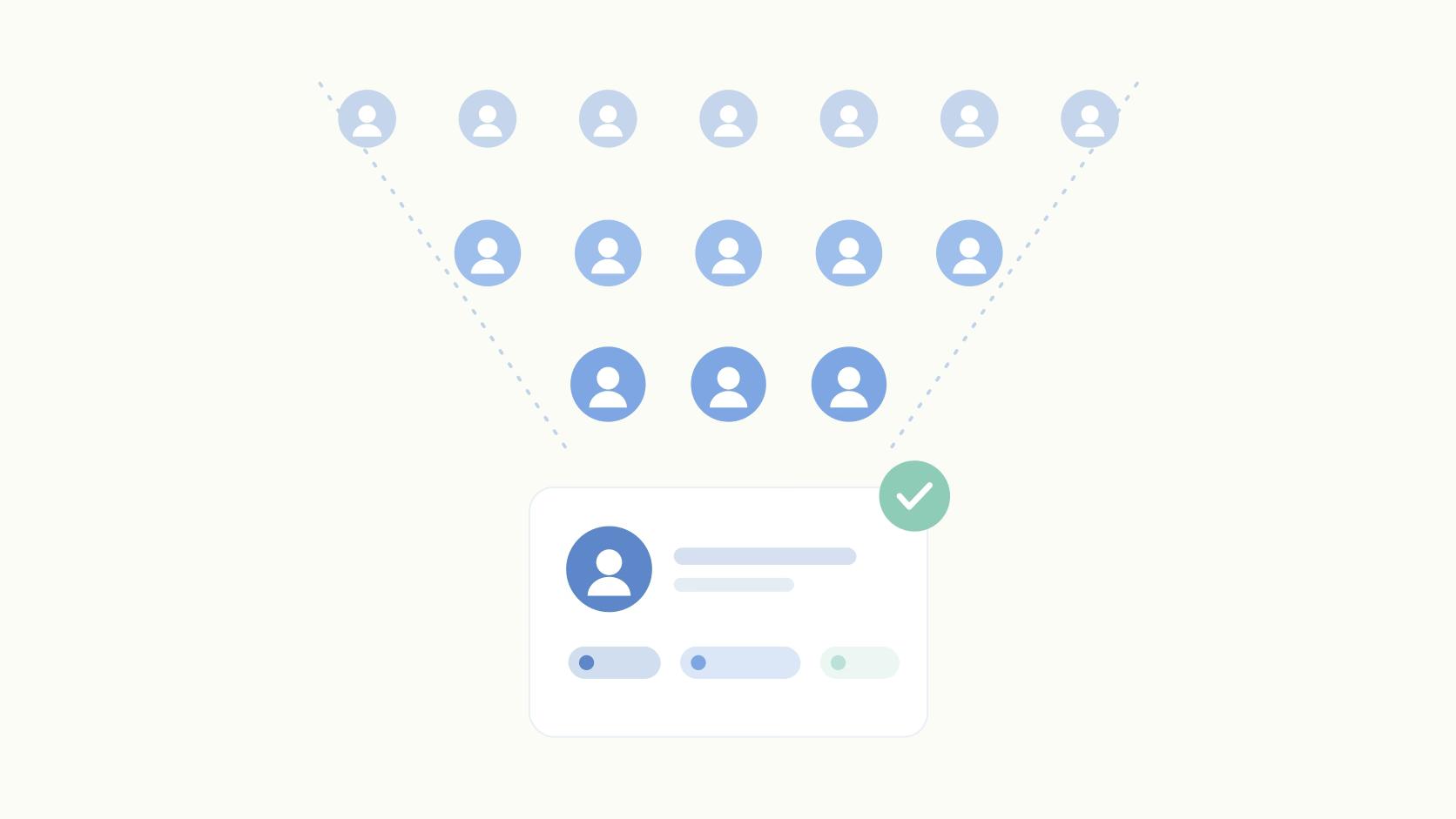
The dark funnel is the private, untrackable research a B2B buyer does before they ever identify themselves. A champion sees your founder's LinkedIn post, saves the case study PDF, and drops it into a private Slack channel where six colleagues debate it for three weeks. Someone asks a peer in a Slack community whether you're worth the money.
A CFO gets your one-pager forwarded in an email thread you'll never see. None of that touches a form.
Then one person on that committee googles your brand name and lands on your site. Your attribution model credits the last click, "branded search" or "direct," and misses the entire conversation that did the real work. This is exactly why social "looks" underperforming in the CRM when it's driving pipeline.
And here's my problem with the stats getting recycled in board decks. The famous "80% of all sharing is dark social" figures trace back to a single 2012 to 2016 lineage of consumer research (Salesforce, Chartbeat, RadiumOne), and they were measuring people sharing memes and shopping links, not how a buying committee evaluates a $60K contract. B2B marketers citing those numbers to explain their own pipeline are borrowing consumer data that never described their funnel in the first place.
So we just can't measure any of it? Not with 1:1 attribution, no. But you can measure directional signals: branded search lift after you publish, self-reported attribution from a form field, and the traffic patterns dark social leaves behind. Directional beats fictional.
How to Track Dark Social in GA4
You won't capture every private click, but these five moves surface far more dark social signal than most teams ever bother to find.
- Build a GA4 segment for deep-page direct traffic. Create an exploration that isolates "Direct" traffic landing on any page that isn't your homepage. Nobody types a deep URL like yoursite.com/blog/dark-social-attribution from memory. Those direct visits to interior pages are almost always shared links, and that segment is your dark social proxy.
- Put UTM parameters on every link you distribute. Any link you actively push out should carry consistent UTM tags. Pick a naming convention and never break it. For example: ?utm_source=linkedin&utm_medium=dm&utm_campaign=founder-post. When a champion forwards that link, the UTMs survive the copy-paste, and the visit lands as social instead of direct.
- Add trackable "share via" buttons to high-value content. Put WhatsApp, LinkedIn, and email share buttons on your best posts and gated assets. Each pre-loads a UTM, so a slice of private sharing that would have gone dark now arrives tagged.
- Add "How did you hear about us?" to your forms. A single open-text or dropdown field on your demo and contact forms captures self-reported attribution your analytics physically cannot see. It's the closest thing you have to a window into the dark funnel.
- Cross-reference branded search against publish dates. Line up branded search volume in Search Console against when you shipped content or a founder posted. A spike in people searching your name after a big post, with no paid activity behind it, is dark social doing its work upstream.
What Dark Social Means for Your Content Strategy
If half your sharing is invisible, stop optimizing purely for public likes and comments and start optimizing for how well your content travels through a private channel. GWI found 1 in 2 consumers share links recommending products or brands through dark social (GWI, 2025), which means private messaging isn't idle chatter. It's commerce-adjacent, purchase-influencing sharing, and it happens where your engagement metrics can't count it.
What travels well in a DM or a Slack thread:
- Single-stat graphics someone can screenshot and drop into a channel without explanation
- Standalone takeaways that make sense with zero surrounding context
- Carousels and PDFs that survive a copy-paste and still read cleanly
- One clear insight per post, not five buried ones
The test is simple: could someone paste this into a private message and have it land without any setup? If yes, you've built something the dark funnel can carry. If it only makes sense scrolling your feed with the thread above it, it dies the moment it leaves the platform.
Where to Start This Week
Two moves this week will surface more signal than any platform you could buy. Segment your "direct" traffic to deep landing pages so you can see the shared-link volume hiding there. Then add a "how did you hear about us" field to your forms. Between those, you'll learn more about your dark funnel in a month than your CRM has told you all year.
For teams running social across several people, tracking earned media value and content-type performance in one place, rather than stitching it together from a scheduler and a spreadsheet, makes the dark social conversation reportable upward. Ordinal calculates what your organic impressions would have cost in paid ads and breaks performance down by content type, so when the board asks what social is driving, you have a defensible number instead of a shrug.
Frequently Asked Questions
What Is Dark Social in Simple Terms?
Dark social is web traffic or content sharing that happens through private channels like email, DMs, and messaging apps, where the referrer data gets stripped before it reaches your analytics. Because tools like GA4 can't see where the click originated, they dump it into "direct traffic," which hides how much of your reach actually comes from people forwarding your links.
Is Dark Social the Same as the Dark Web?
No, and the similar names cause real confusion. The dark web refers to encrypted sites accessed through tools like Tor, often tied to illegal marketplaces. Dark social is ordinary sharing, someone pasting your link into a Slack channel or WhatsApp thread, that just doesn't leave a trackable trail behind it.
How Much of My Traffic Is Dark Social?
It varies by business, and you should be skeptical of the "80% of all sharing happens in dark social" figure that gets recycled across marketing blogs, since it traces back to a single study from 2012 to 2016. A more reliable read comes from GWI's 2025 research, which found 63% of consumers use dark social channels to share content versus 54% who share on open social platforms. Segment your own GA4 direct traffic against deep landing pages to get a number specific to your site.
What's the Difference Between Dark Social and the B2B Dark Funnel?
Dark social describes the channels, private messaging, email, DMs, where untracked sharing happens. The dark funnel is the broader B2B concept for all the private research a buying committee does before anyone fills out a form, including Slack communities, LinkedIn DMs, and peer recommendations passed around internally. Dark social is one mechanism feeding into the larger dark funnel problem.
How Do I Track Dark Social in GA4?
Start by building a GA4 exploration that isolates direct traffic landing on deep, non-homepage URLs, since those are usually shared links. Then add UTM parameters to every link you distribute, put trackable "share" buttons on key content, and add a "How did you hear about us?" field to your forms to capture self-reported attribution.
Why Does Dark Social Matter for B2B Marketers?
B2B buyers make decisions in private channels your CRM never sees, so social's real contribution to pipeline gets misattributed to "direct" or branded search. GWI found 1 in 2 consumers share product recommendation links through dark social, which means a large share of purchase-adjacent influence is invisible to standard attribution.
Can You Fully Measure Dark Social?
Not with 1:1 accuracy, and any tool promising perfect dark social attribution is overselling. What you can do is measure directional signals: branded search lift after content publishes, self-reported attribution from forms, and UTM-tagged shares. Combined, these give you a defensible estimate of dark social's impact without pretending you can see every click.
Related Posts
Looking to learn more? The below posts may be helpful for you to learn more about social media and content marketing.