

71% of CMOs say more than half the brand health metrics they track are "interesting but not actionable," according to NielsenIQ measurement research. That's a metric selection problem, not a measurement one. And when growth slows, brand budget is usually the first line item cut, precisely because marketing can't show the CFO what brand spending actually produces.
Most brand health dashboards track the wrong things. The ones that correlate to pipeline, win rate, and retention follow a specific pattern, and most B2B teams aren't tracking them.
TL;DR
- The brand health metrics that predict revenue fall into three tiers: awareness (pipeline volume), perception (win rate), and loyalty/action (LTV and CAC payback).
- Leading indicators like branded search and social sentiment warn you about pipeline gaps months before they show up in your CRM.
- According to Forrester's 2025 research, B2B companies with top-quartile brand health grow revenue 2.5x faster than weak-brand peers.
- Only 37% of companies do always-on brand tracking, per Dynata. Those that do are 1.6x more likely to pivot messaging before damage compounds.
- Every metric you report should answer one question: what does this predict about revenue?
What Are Brand Health Metrics?
Brand health metrics are the quantitative and qualitative measures that track how your target audience perceives, remembers, and chooses your brand over alternatives. They're distinct from brand equity, which is the lagging financial outcome (price premium, retention rate, willingness to pay). Brand health is the leading indicator that predicts whether equity will improve or erode over the next two to four quarters.
For B2B SaaS specifically, that distinction matters a lot. Sales cycles run 3-12 months, so a dip in brand consideration today won't show up as lost pipeline until next quarter. By the time the CRM signals trouble, the leading indicators warned you months ago.
The Three Tiers of Brand Health Metrics That Predict Revenue
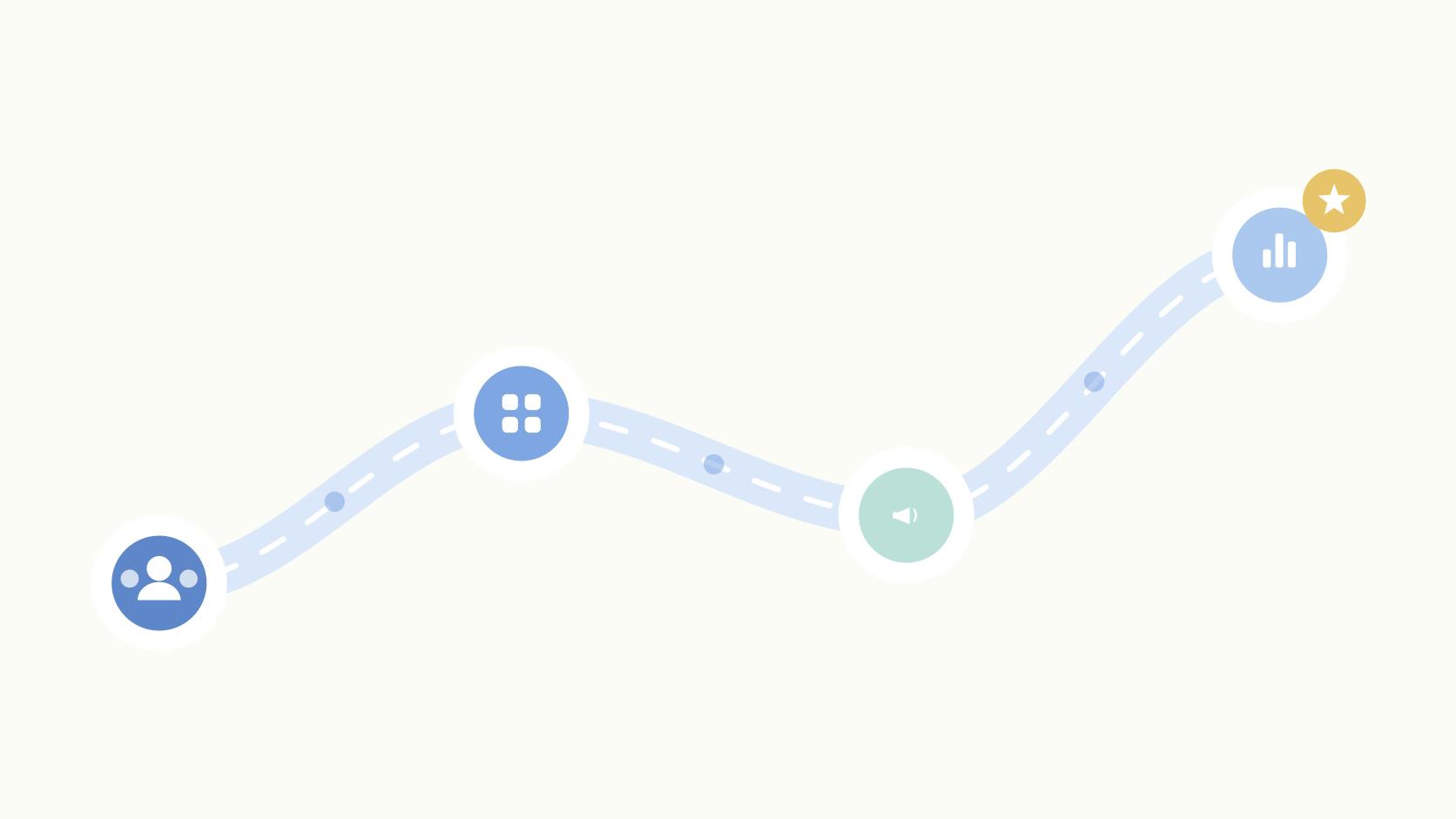
Stop tracking 16 metrics. The ones that connect to commercial outcomes fall into three tiers, each predicting a different part of your revenue model.
Tier 1: Awareness (Top of Funnel)
Unaided brand recall is the cleanest awareness signal. It asks: when someone thinks about your category, do they think of you without being prompted? For LinkedIn brand metrics and channel-level measurement, this maps directly to organic reach and direct traffic. Share of voice in your category matters too.
Brands that consistently hold higher share of voice than their market share tend to grow that share over time, and the reverse holds just as reliably.
What Tier 1 predicts: pipeline volume 6-9 months out. When awareness dips, fewer buyers include you in RFPs. Track impressions and reach as a proxy, but pair them with survey-based recall data at least quarterly.
Awareness metrics are a pipeline forecast, not a vanity report.
Tier 2: Perception (Mid-Funnel)
Brand consideration asks whether buyers would include you in a shortlist if they were purchasing today. Perceived expertise and trust go deeper. They measure whether your target market sees you as the right category authority, not just a vendor option.
According to Brandwatch's 2025 analysis, B2B tech brands in the top quartile for perceived expertise and trust achieve win rates 15-20 percentage points higher in competitive deals than peers with similar pricing and product scores but weaker brand standing.
Net sentiment from social and review platforms belongs here too. YouGov BrandIndex 2026 research found that reputational damage on social typically depresses purchase consideration 2-3 days before it hits sales, a brief "intervention window" that only teams monitoring continuously can act on.
Perception metrics predict win rate and deal velocity more directly than almost anything else in a brand health dashboard.
Tier 3: Loyalty and Action (Bottom of Funnel)
Retention rate and expansion revenue are the most direct commercial signals in this tier. Branded search volume is the most underrated. When prospects search your name specifically, they've already formed intent. It's warm demand your sales team didn't have to generate from cold outreach.
Advocacy rounds this out: referral volume, G2 or Capterra review velocity, and unprompted organic mentions all signal that customers trust you enough to put their own credibility behind your brand.
Tier 3 predicts LTV and CAC payback. Brands with strong advocacy acquire customers cheaper and retain them longer.
Leading vs Lagging Indicators: How to Read the Signals
A leading indicator tells you what's coming. A lagging indicator tells you what already happened. Most B2B teams measure lagging indicators (pipeline, churn, win rate) then scramble to explain the dip. The leading indicators had already signaled the problem.
Here's the diagnostic chain: a dip in unaided awareness today predicts a consideration gap in one to two quarters, which predicts a pipeline gap two quarters after that. Sentiment moves faster. The YouGov "intervention window" finding means a LinkedIn crisis on Tuesday can depress consideration by Thursday, well before it registers in your CRM. Understanding algorithmic signals and how platforms surface and suppress content is directly relevant here. A sudden reach drop on your executive content is often a leading indicator worth investigating.
Branded search is the cleanest near-real-time signal for B2B SaaS because it captures intent that already exists, without requiring a survey to surface it.
If you're only reacting to pipeline and churn, you're always two quarters late.
How Often to Measure Brand Health
Cadence matters as much as metric selection. According to always-on brand tracking research from Dynata (2025), only 37% of companies conduct continuous brand tracking, but those that do are 1.6x more likely to launch timely messaging pivots that improve campaign ROI by at least 15%.
In practice, most B2B teams don't need a daily survey panel. A workable cadence: awareness and consideration quarterly, perception metrics like NPS and perceived expertise monthly, and sentiment plus branded search continuously.
The continuous layer is where most teams underinvest. Social listening and search console data are already available. This isn't an infrastructure problem. It's a prioritization one.
Quarterly surveys aren't enough. Add always-on monitoring for the signals that move fastest.
Tying Brand Health Metrics to Commercial Outcomes
Every brand health metric you report should answer one question: what does this predict about revenue? According to Forrester's 2025 research, B2B companies with top-quartile brand health grow revenue 2.5x faster than weak-brand peers, controlling for spend and sector.
That's the number to anchor a board presentation on.
The commercial linkages that hold up in practice: branded search volume predicts SQL volume 4-6 weeks out. Perceived expertise scores predict win rate in competitive deals (the Brandwatch 15-20 percentage point gap). NPS predicts expansion revenue more reliably than satisfaction scores alone. For a concrete example, Clay's revenue case study shows how a single-person social team turned brand engagement data into attributable pipeline through explicit tracking, not assumption.
Where most dashboards fail: they report the score without the implication. "Our NPS is 42" doesn't move a CFO. "Our NPS is 42, which correlates to 18% expansion revenue in our customer base, and it's up 6 points since we launched the new onboarding content" does. Those same commercial linkages shape decisions about organic content ROI versus paid spend, since brand-driven channels tend to compound in ways paid channels don't.
Building a Brand Health Dashboard That Executives Actually Read
Three sections, not twelve metrics. Leading indicators (awareness, sentiment, branded search), mid-funnel signals (consideration, perceived expertise), and commercial outcomes (win rate, retention, LTV). One headline metric per tier, visible refresh cadence, and annotated changes that connect what you shipped to what moved.
The annotations are what most dashboards skip.
"Awareness up 4 points in Q2" is forgettable. "Awareness up 4 points in Q2 following the new customer story series, coinciding with a 12% increase in branded search" gives the CFO something to act on.
LinkedIn analytics tools like Ordinal's label-level performance tracking can operationalize this for your social channel, connecting content categories directly to earned media value. For teams building out their broader social media strategy, this kind of annotation layer is what separates a dashboard someone reads from one they ignore.
Audit your current dashboard against the three-tier framework, cut anything that doesn't predict revenue, and add at least one leading indicator to each tier you're missing.
Frequently Asked Questions
What Are the Most Important Brand Health Metrics for B2B SaaS?
For B2B SaaS, the five brand health metrics with the strongest commercial signal are unaided awareness, brand consideration, perceived expertise, branded search volume, and net sentiment. These predict pipeline volume, win rate, and retention far better than follower counts or total impressions. Track them quarterly at minimum, monthly if your data infrastructure supports it.
How Do You Measure Brand Health?
Measuring brand health requires three data types working together: surveys for awareness and consideration, social listening tools for sentiment, and behavioral data like branded search volume, direct traffic, and G2 or Capterra reviews. Programs that rely on surveys alone miss the real-time signals that show up in behavior first. Cadence matters as much as methodology. Always-on sentiment monitoring catches issues days before they reach your pipeline.
What's the Difference Between Brand Health and Brand Equity?
Brand health metrics are leading indicators. Awareness, consideration, and sentiment signal what's coming. Brand equity is the lagging financial outcome: price premium, retention rates, willingness to recommend. For B2B SaaS with 6-12 month sales cycles, improving brand health today shows up in equity 1-2 quarters later. Track health monthly, revisit equity annually.
How Often Should You Track Brand Health Metrics?
Awareness and consideration work on a quarterly cadence for most B2B teams. Perception metrics like NPS and perceived expertise are best reviewed monthly. Sentiment and branded search should run continuously. According to Dynata's 2025 research, only 37% of companies do always-on tracking, but those that do are 1.6x more likely to catch reputation issues before they hit pipeline.
What Brand Health Metrics Do Executives Actually Care About?
Executives care about metrics with a clear revenue translation. Win rate, branded search volume, retention rate, and the share of pipeline from brand-driven channels (organic, direct, referral) consistently belong in board decks. Every brand health metric you report should come paired with its commercial implication. The score alone won't hold the room.
Is NPS a Good Brand Health Metric?
NPS is a useful loyalty signal but a weak standalone brand health metric. Its correlation with retention varies significantly by category and deal size. For B2B SaaS, pair NPS with branded search trends, expansion revenue, and review volume on G2 or Capterra for a clearer picture of whether brand health is actually improving.
Related Posts
Looking to learn more? The below posts may be helpful for you to learn more about social media and content marketing.