

For B2B SaaS marketers in 2025, LinkedIn remains a powerhouse for lead generation. But is LinkedIn advertising worth it, or can an organic content strategy deliver better results? As we look ahead to 2026, this question becomes even more critical as LinkedIn's algorithm continues to evolve and prioritize authentic, people-first content over traditional brand advertising.
This in-depth comparison looks at LinkedIn ads vs organic content on LinkedIn, analyzing cost per lead, ROI, conversion rates, engagement, reach, and the long-term vs short-term impact. We’ll see why LinkedIn marketing for SaaS is increasingly favoring organic approaches (especially employee and founder-driven content) and how you can leverage this trend.
TLDR:
- Organic LinkedIn content costs 47% less per lead than ads ($164 vs $310 for B2B SaaS)
- Organic posts get 2-6% engagement vs 0.4-0.6% for ads, with employee content driving 8x more engagement
- LinkedIn's algorithm now prioritizes personal posts (39% of feed) over company pages (1-2%)
- Organic content delivers 388% ROI and compounds over time, while ads stop working when budget ends
- Ordinal helps teams scale organic LinkedIn through collaboration, scheduling, and employee advocacy features
Cost-per-Lead: LinkedIn Ads vs. Organic Content
LinkedIn Ads Cost-per-Lead
One of the biggest considerations is cost. LinkedIn’s paid advertising is known for being expensive. The average cost per click (CPC) on LinkedIn ranges from $5 to $10 per click, significantly higher than other digital ad platforms.
This high CPC translates into a steep cost per lead (CPL) for LinkedIn ads. Broad benchmarks show LinkedIn CPLs ranging from $15 up to $350, depending on audience and industry. North America sees some of the highest LinkedIn ad costs (averaging around $230 CPL), indicating that reaching professional audiences on LinkedIn often requires a hefty budget.
Organic Content Cost-per-Lead
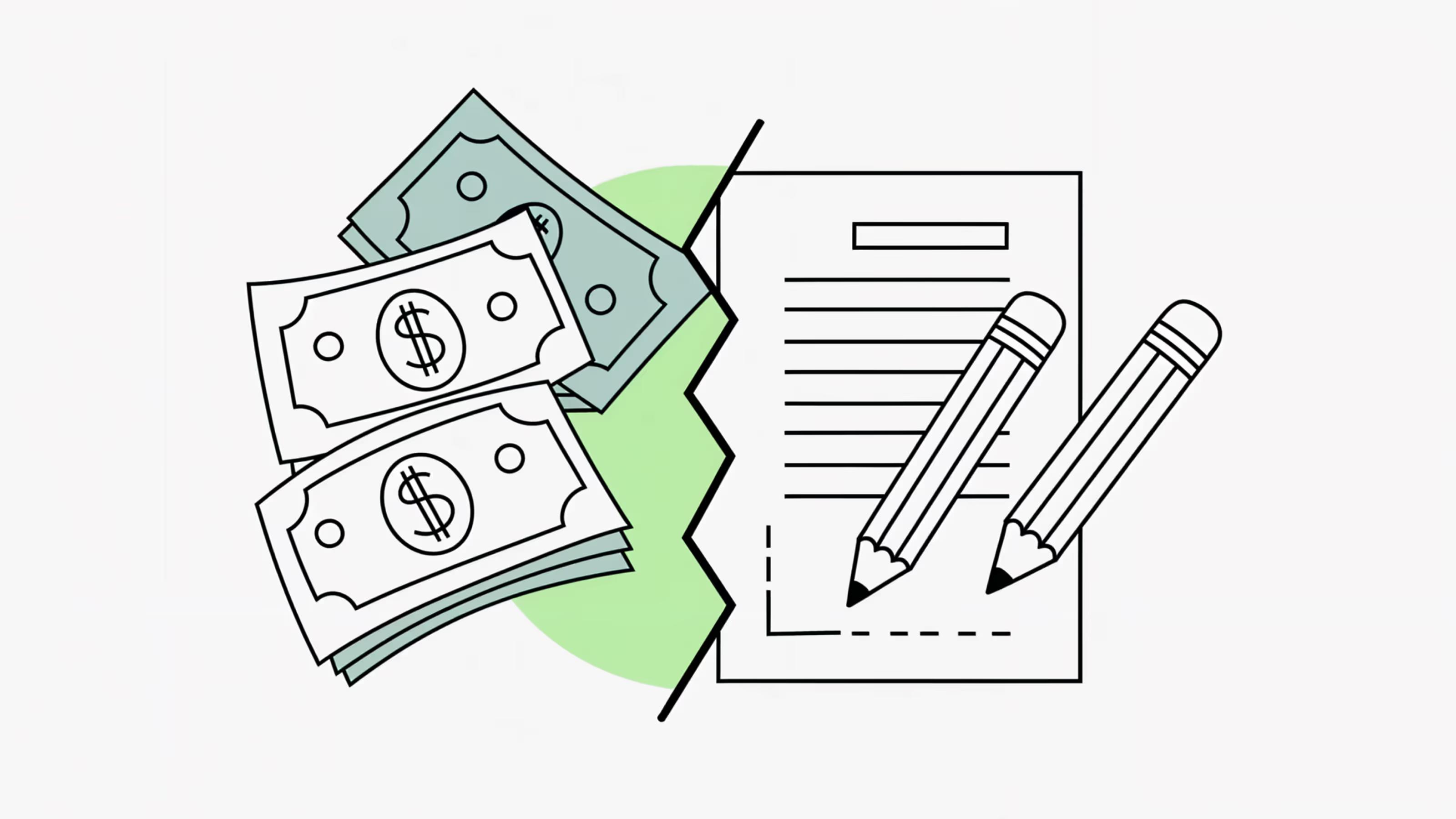
In contrast, organic LinkedIn content doesn't have a direct 'pay per click' cost, and data confirms these leads are far more cost-effective. The investment is in content creation and consistency rather than ad spend.
For example, First Page Sage research found that in the B2B SaaS sector, the average CPL via LinkedIn Ads is about $310, whereas the average CPL from organic LinkedIn marketing is around $164.
In other words, a SaaS company might pay nearly twice as much per lead with LinkedIn Ads compared to generating leads through organic content. This mirrors broader marketing studies, with HubSpot estimating that organic marketing leads cost 61% less than paid advertising leads.
The takeaway is clear. If cost per lead is a key factor, organic LinkedIn content has a strong advantage.
ROI and Conversion Rates
Paid Ads ROI and Challenges
Cost is only half the equation. We also need to compare return on investment (ROI) and lead quality.
Despite these high costs, LinkedIn advertising can still produce positive ROI when campaigns are properly optimized. LinkedIn’s own benchmark suggests that a 4:1 return on ad spend (400% ROAS) is a solid outcome for a successful campaign.
In practice, many SaaS marketers struggle to hit that number consistently due to the expense and variable performance of ads.
Organic ROI and Lead Quality
Organic LinkedIn content tends to yield higher long-term ROI once it gains traction.
Across industries, organic channels generally deliver better ROI over time than paid channels, though with a longer ramp-up period. Specifically for SaaS, one analysis found the average organic LinkedIn ROI to be around 388%, which is among the highest across all industries.
Beyond the raw ROI percentage, conversion rates and lead quality also favor organic.
A good LinkedIn ad conversion rate is around 2 to 5% for meaningful actions like filling out a form. Many campaigns see lower conversion rates unless the offer is very low friction.
Leads from organic content - such as someone who read a thoughtful post or engaged with an employee’s update - tend to be higher intent and warmer.
Organic marketing builds trust with high-intent buyers and converts them into loyal customers more effectively. These leads often have higher close rates than cold ad leads, thanks to the nurturing nature of content.
While ads can drum up a lot of clicks quickly, organic strategies often deliver higher-converting leads and stronger lifetime value, boosting overall ROI.
Engagement Rates and Reach on LinkedIn
Ad Engagement is Low
Engagement is another critical metric where organic content shines.
Users recognize sponsored posts and often scroll past them. The data backs this up: LinkedIn feed ads average a 0.44% click-through rate, and many ad engagement rates hover between 0.7% and 1.5%.
Organic Engagement is Stronger
Organic LinkedIn posts average 2% to 6% engagement - far higher than paid content.
Why? Organic content is more authentic and conversational. LinkedIn users are more inclined to like, comment on, or share it. This engagement triggers LinkedIn's algorithm, which amplifies reach by showing content to second- and third-degree connections.
Employee Networks = Massive Reach
One of the biggest advantages of organic strategy is optimized LinkedIn profiles for founders and unmatched reach through employee networks .
A paid campaign's reach is 'rented' - you only get visibility while actively spending. Once you stop paying, it stops. But organic content can tap into your team’s networks.
- Employees have around 1,000 LinkedIn connections on average
- Just 3% of employees sharing company content can increase overall engagement by 30%
- Employee-shared content gets 8 times more engagement than brand posts
People trust and interact with people. A founder’s post or employee’s story can go viral in a way ads rarely do.
A company with 100 employees actively posting can reach tens of thousands of unique viewers - with zero ad spend.
LinkedIn Algorithm Favors People, Not Brands
LinkedIn’s algorithm now prioritizes personal content over company pages. In fact:
- Company page content now makes up only 1% to 2% of the feed
- Personal posts jumped from 27% to 39% of all feed content this year
As one LinkedIn expert put it, employee advocacy isn’t a nice thing to have - it’s the only way your message gets seen without paying for ads.
The conclusion is clear. Organic, people-first strategies beat brand-page content and ads in today’s LinkedIn environment.
Long-Term vs. Short-Term Impact
LinkedIn Ads = Quick Hits
Paid ads are a short-term lever. You can turn them on and off like a faucet. When the ad budget stops, so does the traffic.
This makes them useful for campaigns like webinars or quarter-end pushes, but it also means you’re stuck on a treadmill.
There’s no residual value from past ad spend.
Organic Content = Compounding Returns
Organic content plays the long game. It takes consistency, creativity, and patience to see results.
But the payoff is substantial.
- Thought leadership builds followers and engagement over time
- Evergreen posts can continue to generate traffic and leads long after they’re published
- A personal brand or employee-driven content engine becomes a durable asset - an audience you don’t need to pay to reach
One high-quality post can pay for itself many times over through continued discovery, shares, and engagement. This is a major opportunity: only 1% of LinkedIn users post content weekly, yet this small group generates 9 billion impressions per week.
LinkedIn Ads vs Organic: Quick Comparison Table
To crystallize the differences, here’s a side-by-side comparison of LinkedIn advertising and organic LinkedIn content on key effectiveness metrics:
Conclusion: Why Organic LinkedIn Content Will Dominate in 2025 and Beyond
When comparing LinkedIn Ads vs Organic for B2B SaaS, the verdict is clear.
Organic LinkedIn strategies deliver better ROI, lead quality, and engagement than paid ads for B2B SaaS companies. This advantage will only grow stronger heading into 2026.
LinkedIn's algorithm continues shifting toward personal content. Company pages now represent just 1-2% of feed visibility, while individual posts have jumped to 39%. This trend shows no signs of reversing. Teams that activate their founders, executives, and employees as content creators today are building a durable competitive advantage.
By making LinkedIn scheduling and employee advocacy effortless, Ordinal helps B2B teams capture the full value of organic content without the operational headaches that typically limit scale.
The companies winning on LinkedIn in 2026 won't be the ones with the biggest ad budgets. They'll be the ones who empowered their people to share authentic, valuable content consistently.
Start building that engine today.
Why the Shift Matters
LinkedIn’s feed is increasingly dominated by individual creators.
Companies that activate their teams - turning founders, salespeople, and employees into LinkedIn advocates - are winning.
This strategy:
- Drives 8 times more engagement than brand posts
- Builds trust with the target audience
- Generates ongoing ROI without ad fatigue
How Ordinal Helps Teams Scale Organic LinkedIn Content
Organic content doesn’t mean going at it alone and posting randomly.
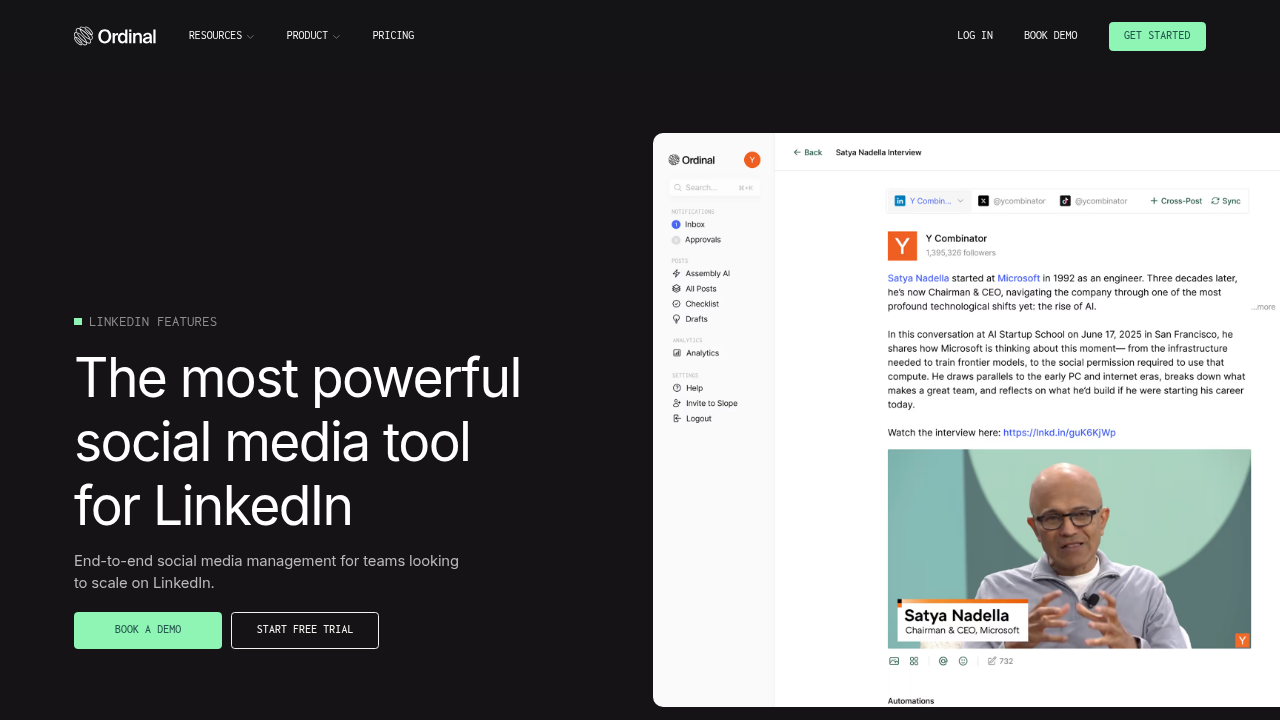
Startups and marketing teams use tools like Ordinal to:
- Coordinate across team members
- Automatically leave likes, comments, and reposts from any teammate’s account on LinkedIn posts
- Schedule content in advance
- Amplify employee voices
- Measure engagement across campaigns
By making organic LinkedIn content easy to manage, Ordinal helps turn your team into a repeatable growth engine on LinkedIn. For companies looking to maximize their LinkedIn presence, consider LinkedIn Premium for companies to unlock additional features and capabilities.
FAQ
How much does it cost to generate a lead through LinkedIn ads vs organic content?
LinkedIn ads typically cost around $310 per lead for B2B SaaS companies, while organic content averages $164 per lead - nearly half the cost. This cost difference makes organic content a more budget-friendly option for most teams.
What engagement rate can I expect from organic LinkedIn posts compared to ads?
Organic LinkedIn posts generate 2-6% engagement rates on average, while sponsored ads see only 0.4-0.6% click-through rates. Personal posts from employees and founders perform even better, receiving up to 8 times more engagement than company page content.
When should I choose LinkedIn ads over organic content?
LinkedIn ads work best for time-sensitive campaigns like webinar promotions or quarter-end pushes where you need immediate visibility. However, organic content delivers better long-term ROI and lead quality for sustained growth.
Why do employee posts perform better than company page content on LinkedIn?
LinkedIn's algorithm now prioritizes personal content, with company pages making up only 1-2% of the feed while personal posts account for 39%. People trust and engage with content from individuals more than branded posts, leading to higher reach and engagement.
Can organic LinkedIn content really scale without paid promotion?
Yes- employee networks provide massive organic reach. With just 100 employees posting regularly (each with around 1,000 connections), you can reach tens of thousands of viewers without ad spend, and only 3% of employees sharing content can increase engagement by 30%.
Related Posts
Looking to learn more? The below posts may be helpful for you to learn more about social media and content marketing.