

A post goes into Slack for exec review on Monday. By Thursday, it's still sitting there. Someone pings the VP. The VP edits the copy, asks for a new image, and by Friday the original hook is gone. The post goes live on Saturday, when nobody's online.
According to approval workflow bottlenecks data from Planable's 2026 research, more than 40% of marketers cite content reviews and approvals as a major bottleneck. Only 12% report no friction at all. Almost nobody escapes this.
The root cause isn't lazy approvers. It's the absence of a system. A social media workflow approval is the structured process by which a social post moves from draft to publish, with one or more designated reviewers signing off before it goes live. The teams that struggle lack a defined process and work from "vibes."
What follows is the system: a three-tier content risk framework, workflows tailored to three team types, five failure modes to diagnose, and a five-step setup process. It's built on what we see across 1,000+ marketing teams using Ordinal, not generic best practice. For context on where approvals fit in your broader social media strategy, start there first.
Tier your content by risk (low, medium, high), assign specific approvers with SLAs to each tier, and enforce the process through tooling that blocks publishing until sign-off is complete.
What a Social Media Workflow Approval Is
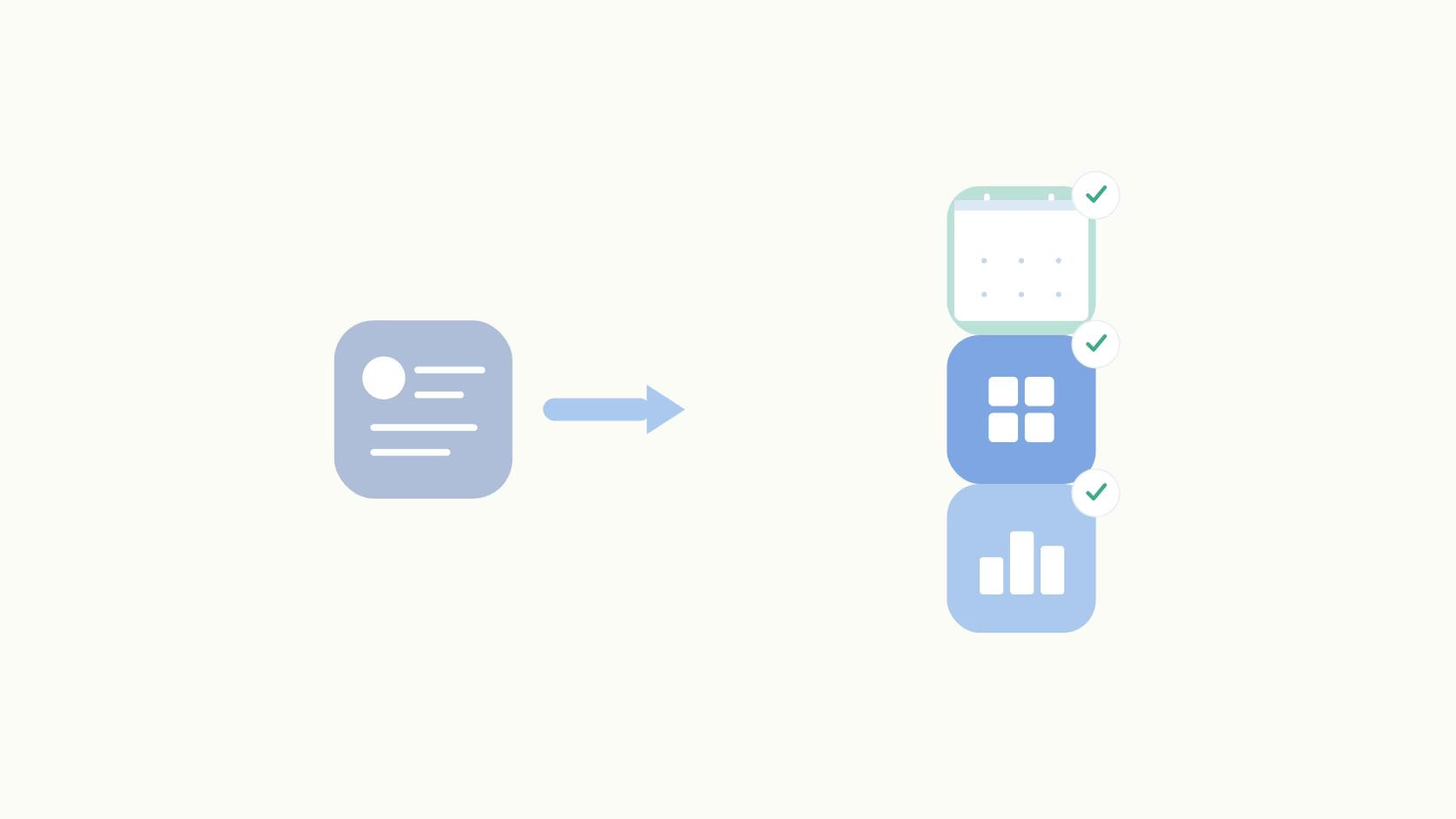
Four stages make up the core of any social media workflow approval: draft, review, approve, publish. Teams handle the first and last reasonably well. The middle two are where things fall apart.
Review and approval aren't the same thing, and conflating them is one of the most common reasons posts stall. Review is collaborative: commenting, suggesting edits, flagging issues. Approval is binary. The post is ready to publish, or it isn't. When approvers use the approval stage to rewrite copy, you're not running an approval workflow. You're running a second draft.
There's also a fifth stage almost everyone skips: the post-publish audit. Did the post go out on time? Did the right account publish it? Was the link correct?
Teams that skip this only find errors after they've already cost reach.
Why Approval Workflows Break (And the Data Behind It)
The 40% bottleneck figure from Planable is, unfortunately, the norm.
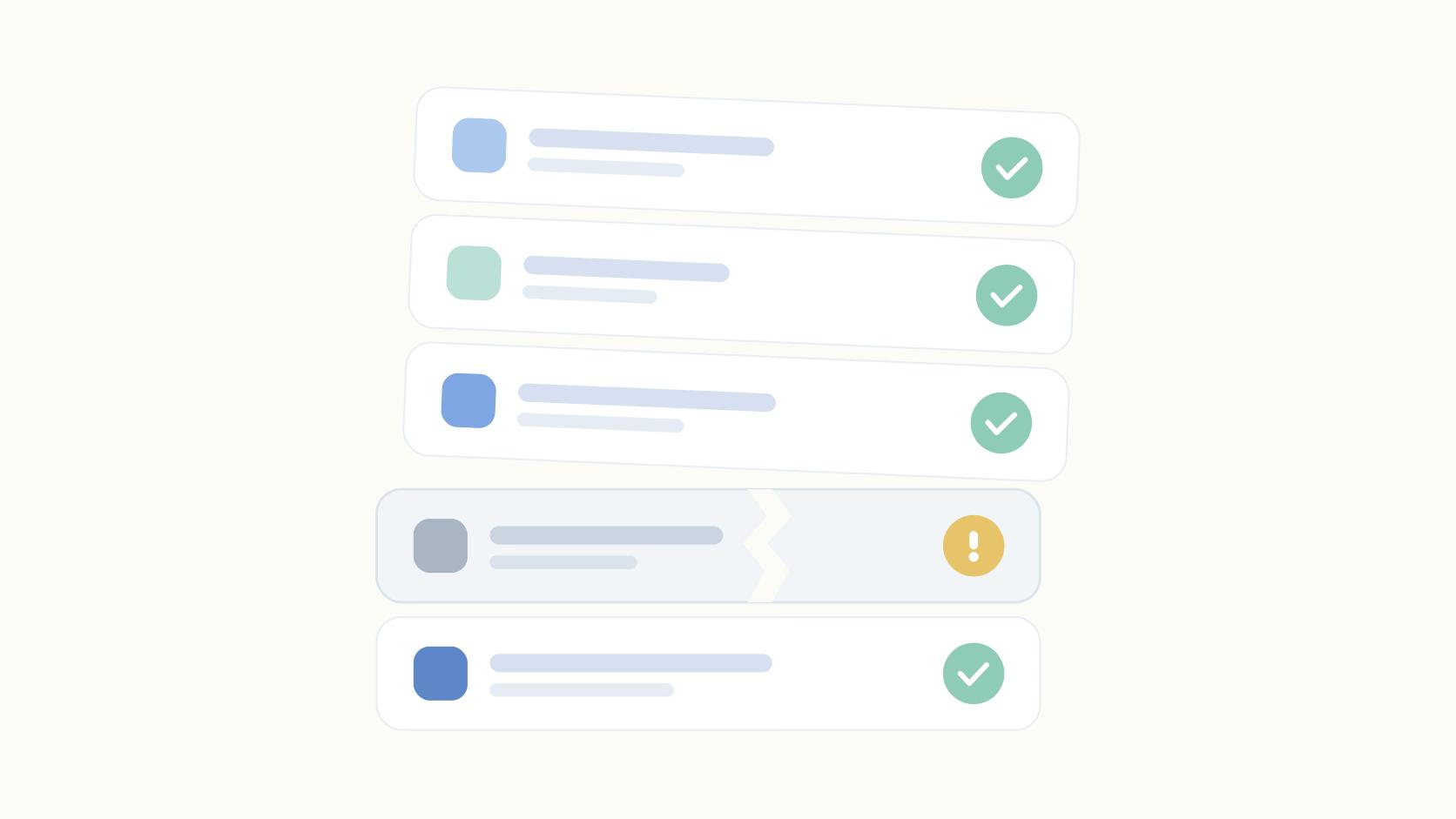
Silent stalls happen when there's no SLA and no nudge. A post enters review and nobody has committed to a response window. It sits. The social manager eventually pings someone. That ping gets buried in a Slack thread from three days ago. Good social media content planning can buffer against this, but planning doesn't fix a missing SLA.
The exec-as-bottleneck problem is the approval version of a single point of failure. One person approves everything. When they're in back-to-back meetings, the whole queue freezes.
Scope creep turns approvals into editing sessions. The approver rewrites the hook, changes the CTA, asks for a new image. What should take 10 minutes takes two hours, and the social manager has to re-route the post for a second round.
Channel fragmentation multiplies all of this. 43.9% of marketers manage their workflows with just 1 to 2 tools, while 21.7% juggle five or more (Planable, 2026). When approval threads live across Slack, email, Google Docs, and a project management tool, there's no single source of truth. Someone always misses an update.
"An exec's not going to remember like, "Oh, let me check the Airtable status for the asset to see if this is final. And let me go to the Google Docs, look at the copy, and let me put the two together in my head and see if this makes sense for a post for me."" (Jeffrey Zhao, Co-Founder at Ordinal)
Watch the full interview: Why Great Content Never Gets Published (And How to Fix It)
Compressed planning windows make everything worse. 38% of marketers only plan content one week ahead (Planable, 2026). Short cycles mean approvals are always urgent, and urgency makes people cut corners. With $277 billion in global social ad spending in 2025 (Apaya, 2026), paid campaigns that skip proper approval carry real financial and legal risk.
The Three-Tier Approval Framework
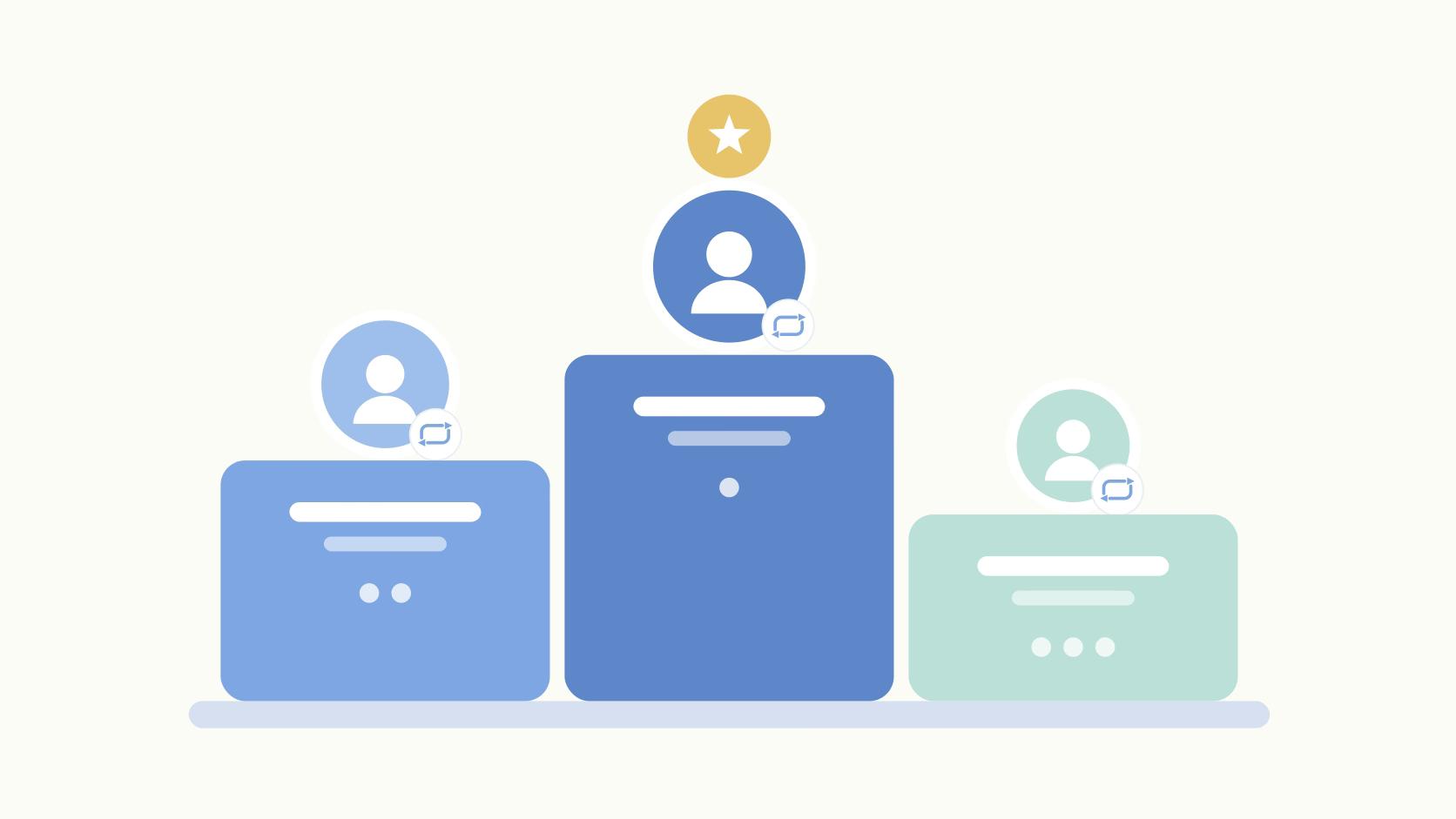
A meme and an executive LinkedIn post shouldn't go through the same chain. One requires 10 minutes of gut-check; the other needs legal, the CMO, and a 48-hour window. The three-tier framework matches approval overhead to actual content risk.
Tier 1: Low-Risk Content
Reposts, engagement comments, memes, and culture posts. A single approver or an auto-publish rule is enough here. Target SLA: two hours. The key rule: only one person owns sign-off, no committee.
Tier 2: Standard Content
Product updates, thought leadership posts, case study quotes, and scheduled content fall here. Two-step review: an editor checks for accuracy and brand voice, then a marketing lead approves. Target SLA: 24 hours. Legal enters this chain only when a claim is quantified or references a competitor.
Tier 3: High-Risk Content
Executive posts, crisis communications, partnership announcements, and paid campaigns need multi-stakeholder review with blocking approvals, meaning the post cannot publish without explicit sign-off from each required reviewer. Target SLA: 48 to 72 hours. DualEntry, a regulated-industry startup, used exactly this model when coming out of stealth. Their approval workflow required blocking approvers at every stage before anything went public.
Tier your content before you tier your tools.
Approval Workflows by Team Type
In-House B2B SaaS Teams
The typical chain runs from writer to social lead to VP marketing or exec. The breakdown almost always happens at the exec stage: no SLA, no backup approver. Fix this by naming a deputy approver for Tier 2 content so the queue doesn't freeze when the VP is unavailable. Teams running employee advocacy platforms often need a parallel approval chain for employee-generated content, which gets complicated fast without a defined process.
Agencies Managing Multiple Clients
Every workflow failure scales with account count. Agencies need per-client approval chains. The internal review comes first (account manager checks brand voice, accuracy, and compliance), then client sign-off via a shared link or dedicated workspace. Impactable, which manages LinkedIn content for over 1,000 B2B clients, built their entire operation around this model. See how they approached agency approval workflows for specifics.
Version control across 20+ accounts is where agencies break down; without a centralized approvals inbox, something always slips.
Founder-Led with Ghostwriter
The ghostwriter drafts, the founder approves. Simple in theory. The failure mode is founders using the approval stage to rewrite drafts from scratch, which burns the ghostwriter's time and defeats the purpose. Set a clear edit-versus-approve rule upfront and give the founder a 24-hour SLA.
For a deeper take on structuring that relationship, ghostwriter vs in-house covers it well.
How to Set Up Your Approval Workflow in Five Steps
A social media workflow approval only works if someone actually builds it. Here's the setup process, in order.
- Audit your current process. Track the average time from draft to publish for your last 20 posts. If you don't know the number, that's the diagnosis. Teams that run this exercise usually discover their "24-hour approval" is actually taking 72 hours or more.
- Categorize your content by risk tier. Pull your last month of posts and sort them into low, medium, and high risk. You'll probably find that 60 to 70% of what you publish is Tier 1 and could be auto-published or single-approver.
- Map approvers to each tier with named backups. Tier 1 gets one approver. Tier 2 gets two. Tier 3 gets a defined list with blocking sign-off. Every tier needs a backup name so the queue doesn't freeze when someone's unavailable.
- Set SLAs and escalation paths. Two hours for Tier 1. Twenty-four hours for Tier 2. Forty-eight to seventy-two hours for Tier 3. Define what happens when the SLA expires: who gets pinged, who escalates, who can override.
- Choose tooling that enforces the workflow. Email and Slack DMs break at scale because they don't block publishing or maintain version history. A platform built for approvals handles all of that natively, including scheduling posts on LinkedIn with approval gates in place.
Tools That Enforce Approvals (Without Killing Velocity)
What separates a working approval system from a broken one is usually tooling, not intent. Look for four things: blocking approvals that prevent publishing without explicit sign-off, inline comments so feedback lives in context rather than a separate thread, version history so you can see what changed and restore a previous draft, and a centralized approvals inbox so nothing gets lost across accounts.
Email and Slack threads fail on every one of those requirements. They're fine for one-off questions, but they don't scale to 20+ posts per week across multiple stakeholders.
For teams that want all of this in one place, Ordinal's LinkedIn content management platform has blocking approvals, inline commenting, version history with word-level diffs, and an approvals inbox baked in. The approval workflow doesn't require a separate tool stack.
Final Thoughts
Approval workflows aren't bureaucracy. They're how teams scale social without errors compounding at volume. The teams we see shipping 3 to 5x more content per week without quality dropping aren't moving faster because they skip review. They've built a system where review is fast because everyone knows their role and the tooling enforces the handoffs.
Start with the three-tier matrix this week, before you change any tools. Categorize your last 20 posts. Name your approvers. Set the SLAs. That alone will cut your average approval time significantly. Then pick tooling that enforces what you've designed.
Frequently Asked Questions
How do I set up a social media approval workflow?
Start by categorizing your content into three risk tiers: low (memes, reposts), medium (product updates, thought leadership), and high (executive posts, paid campaigns). Map specific approvers to each tier with named backups, then set SLAs: 2 hours for low-risk, 24 hours for standard, 48 to 72 hours for high-risk. Use a tool that enforces blocking approvals rather than relying on email or Slack threads, which break consistently at scale.
How many approvers should a social media post have?
For B2B teams, one approver handles low-risk content, two cover standard content (typically an editor plus a marketing lead), and three or more are appropriate for high-risk posts like executive announcements or regulated-industry content. More than three primary approvers consistently slows velocity without improving quality. Name backups instead of stacking the chain.
Why do social media approval workflows break?
The five failure modes are silent stalls (no SLA, no nudge), single-approver bottlenecks (usually an exec), scope creep (approvers rewriting instead of approving), channel fragmentation (43.9% of teams juggle multiple tools, per Planable's 2026 data), and compressed planning windows (38% of teams plan only one week out). Breakdowns almost always trace back to one missing piece: a defined SLA with an enforced escalation path.
How long should a social media approval take?
Target SLAs by content tier: low-risk within 2 hours, standard within 24 hours, high-risk within 48 to 72 hours. If your average approval time for standard posts regularly exceeds 72 hours, you have a workflow design problem, not an approver problem.
What tools are used for social media approval workflows?
The main categories are dedicated social media management platforms with built-in approvals (best for enforcement), general project management tools like Asana or Notion (workable but lack publishing integration), and email or Slack threads (the most common approach, and the one that breaks at scale). Look specifically for blocking approvals, inline comments, version history, and a centralized approvals inbox.
How do agencies handle client approval workflows?
Agencies typically use a two-step chain: internal review by an account manager, followed by client sign-off via a shared link or dedicated workspace. The biggest agency-specific challenge is version control across 20+ client accounts, which is why per-client workspaces and centralized approval inboxes matter more at agency scale than for in-house teams.
Should founders approve every social media post?
For founder-led accounts, yes. Otherwise the content drifts from their voice. Use a ghostwriter-drafts, founder-approves model with a 24-hour SLA and a clear edit-versus-approve distinction so founders aren't rewriting drafts that should ship.
What's the difference between approval and review in a social workflow?
Review is collaborative feedback (suggesting edits, asking questions, flagging issues), while approval is binary sign-off that the post is ready to publish. Strong workflows separate them: reviewers comment inline, approvers click approve. Mixing the two is one of the reasons posts stall in limbo.
Related Posts
Looking to learn more? The below posts may be helpful for you to learn more about social media and content marketing.