

It might surprise you how many marketers plan social content just one week ahead, and another plan two weeks out (Planable, 2026). More than half the industry is running on less than a month of runway. On a Monday that looks like an empty calendar past Friday and somebody drafting a post that exists because a slot exists.
A social media content planner is three things working together: a horizon, a content mix, and a workflow. The calendar usually gets built and the other two never do. And here's the part that gets skipped in every "plan a quarter ahead" post: extending your horizon without a content mix underneath it just means you're scheduling bad guesses further in advance. Teams stuck writing content the week they publish it are missing pillars.
This is for B2B social managers, content marketers, and agency teams running content across several accounts (not solo creators hunting for a Canva template).
TLDR:
- Many marketers plan content one week ahead, another plan two weeks (Planable, 2026)
- Creators posting weekly for 20+ straight weeks see more engagement per post than sporadic posters (Ahrefs, 2025)
- A working planner needs a horizon, a content mix, and an approval workflow
- Content pillars turn "what do we post Thursday?" into a fill-in-the-blank problem
- In our experience, teams that post far more often tend to generate meaningfully more earned media value than teams posting only occasionally
What Is a Social Media Content Planner?
A social media content planner is the system that decides what gets published, when it goes out, and who signs off. It combines a forward-looking calendar, a defined content mix, and an approval workflow. A scheduler handles the publishing mechanic and nothing else.
That line matters commercially, because teams buy a scheduler, connect their accounts, and then wonder why content is still reactive. The scheduler answers "when does this go live." The planner answers "what goes live, why it exists, and who approved it."
Three layers, and they carry different weight. The horizon is how far out your calendar is filled. The content mix is the set of recurring pillars that fill it. The workflow is the path from draft to published.
But skip the middle layer and the other two have nothing to move.
Why Most Content Calendars Fall Apart by Week Two
A calendar with empty slots and no defined mix creates a daily invention problem, and daily invention loses to whatever else is on fire that afternoon. Every empty Thursday is a small strategy meeting with an audience of one.
Consistency is where the cost shows up. Ahrefs found that creators posting at least weekly for 20+ consecutive weeks see more engagement per post than creators who posted fewer than five times in the same window (Ahrefs, 2025).
Compounding needs runway, and a one-week horizon has none.
There's a belief gap in the same dataset. Ahrefs reports 83% of marketers say quality beats quantity, while global average engagement sits at 1.4% to 2.8%. Nearly everyone agrees on the principle and almost nobody's numbers reflect it. You can't apply quality standards to a post you're inventing four hours before it publishes.
You might be thinking, "Social moves fast, so planning far out wastes work." Fair, but only up to a point. Reactive content deserves a defined share of the calendar, which means newsjacking is a pillar with two slots a week rather than a reason to skip structure entirely. A real social media strategy leaves room for opportunism inside a shape.
How to Build a Content Planner in Five Steps
Build the layers in this order. Most of the work sits in step two, and that's deliberate. We've written separately about content planning workflows if you want more on the operating cadence.
- Set a horizon before you build a calendar: Four weeks minimum for B2B. Longer horizons mean more upfront batching and more rescheduling, and that trade is worth it because rescheduling a planned post takes 30 seconds while inventing one takes an hour.
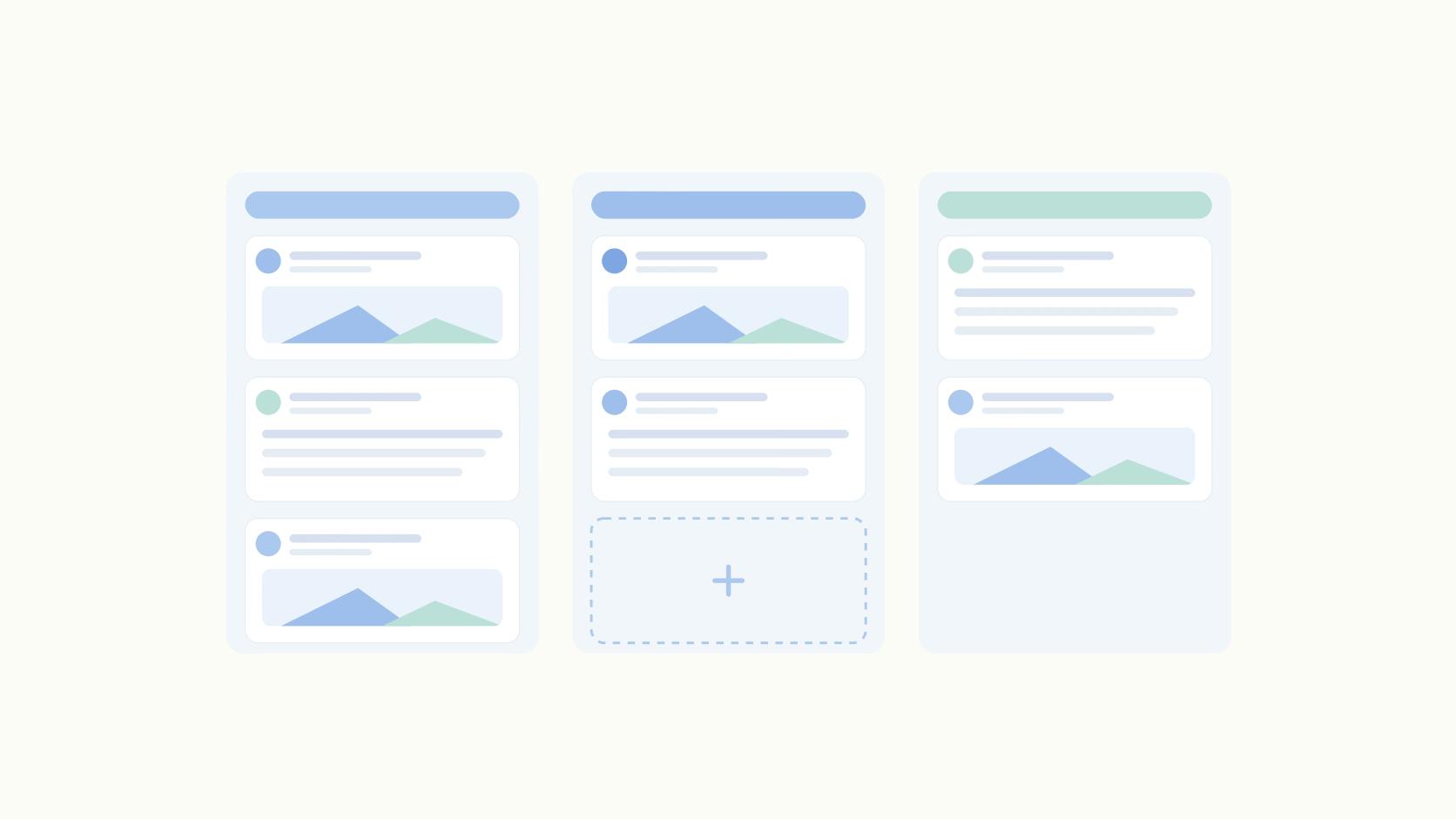
- Define three to five content pillars: This is the layer that makes the horizon usable. A pillar is a recurring category with a rough share of your output, so Thursday stops being a blank page and becomes "customer proof post, pick a customer." A workable B2B split gives customer proof and opinion/POV the largest shares, with product and feature and data and research close behind, and a smaller slice reserved for team and hiring content. Fewer than three pillars and the feed reads repetitive within a month. More than five and no single pillar gets enough volume for you to judge whether it's working.
- Assign posting cadence per channel rather than per team: LinkedIn and X have different half-lives and reward different formats, so a single company-wide cadence underserves one and floods the other. Format matters at plan time too: in our experience, multi-image LinkedIn posts tend to noticeably outperform text-only posts on engagement. That's a planning decision rather than a publishing one, because somebody has to make the images.
- Build the approval path before you need it: Name the drafter, the approver, and the publisher, then decide where the handoff happens. The failure mode is specific and familiar: the latest draft lives in a Slack DM, the exec replies with two edits in a thread nobody else can see, and the version that publishes is the one somebody guessed was current. Blocking approvals with notifications fix that structurally.
- Attach measurement to the pillars: Label every post with its pillar at plan time rather than reconstructing it later from memory. If you can't filter analytics by pillar, you can't tell which pillar to double and which to cut.
Choosing a Content Planning Approach by Team Size
The right planning approach depends on how many people touch a post before it publishes. One person needs a document, three to eight people need approval workflow, and an agency needs workspace separation plus per-client sign-off.
- Solo founder or first marketer: a doc and a scheduler is genuinely enough, because the constraint is time rather than coordination. Pillars still matter here. Workflow doesn't.
- In-house team of three to ten: version control and sign-off are the breaking point, which is where spreadsheets stop working. This is also the size where employee advocacy platforms start to earn their keep, since more posters means more drafts in flight.
- Agency with multiple client accounts: every coordination cost multiplies by client count, so per-client calendars, client-facing approvals, and separate reporting stop being nice to have.
There is a tradeoff to keep in mind: a spreadsheet is fine below a certain volume, and teams that move to social media tools too early add process without adding output. The signal you've outgrown the sheet is asking "is this the latest draft?" more than once a week.
How to Tell If Your Content Planner Is Working
Follower count and engagement rate are the wrong scorecard here, because those measure content quality. The planner's job is throughput and consistency, so measure those directly.
Track three numbers: the percentage of planned slots that actually published, how many days of scheduled content sit in front of you right now, and performance broken out by pillar.
The first two tell you whether the system holds, and the third tells you what to feed it.
Throughput carries a dollar figure. Teams that post far more often tend to generate substantially more earned media value than teams posting only a handful of times a month, which points to a volume gap rather than a talent gap. If you can't answer "which pillar performed best last quarter," what you have is a calendar.
How Ordinal Handles Content Planning
Ordinal maps to the three layers directly. The visual calendar supports drag-to-reschedule and keeps the original post time when you move something, which covers the horizon layer. Labels and campaigns hold your pillars, and analytics filter by label so you can compare pillar against pillar. Blocking approvals send Slack notifications to approvers, and version history shows word-level diffs so nobody has to ask which draft is current. Earned media value closes the loop by pricing your organic impressions against what the same reach would have cost in ads, per channel.
Pick three pillars and fill four weeks of slots with them before you open any tool. The 20-week consistency data is the reason the upfront cost is worth paying: the compounding doesn't start until the streak does.
Frequently Asked Questions
What Is a Social Media Content Planner?
A social media content planner is the system that determines what gets published, when it goes out, and who approves it before it's live. It combines a forward-looking calendar, a defined content mix, and an approval workflow, while a scheduler only handles the "when." That's why teams with a scheduler still end up inventing a post the morning it's due.
How Far in Advance Should You Plan Social Media Content?
Four weeks is the practical minimum for a B2B team. Planable's 2026 data found of marketers plan just one week ahead and another plan only two weeks out, which leaves almost no room for approvals or batching. A four-week horizon means a stuck approval reshuffles the calendar instead of leaving a hole in it.
What's the Difference Between a Content Planner and a Content Calendar?
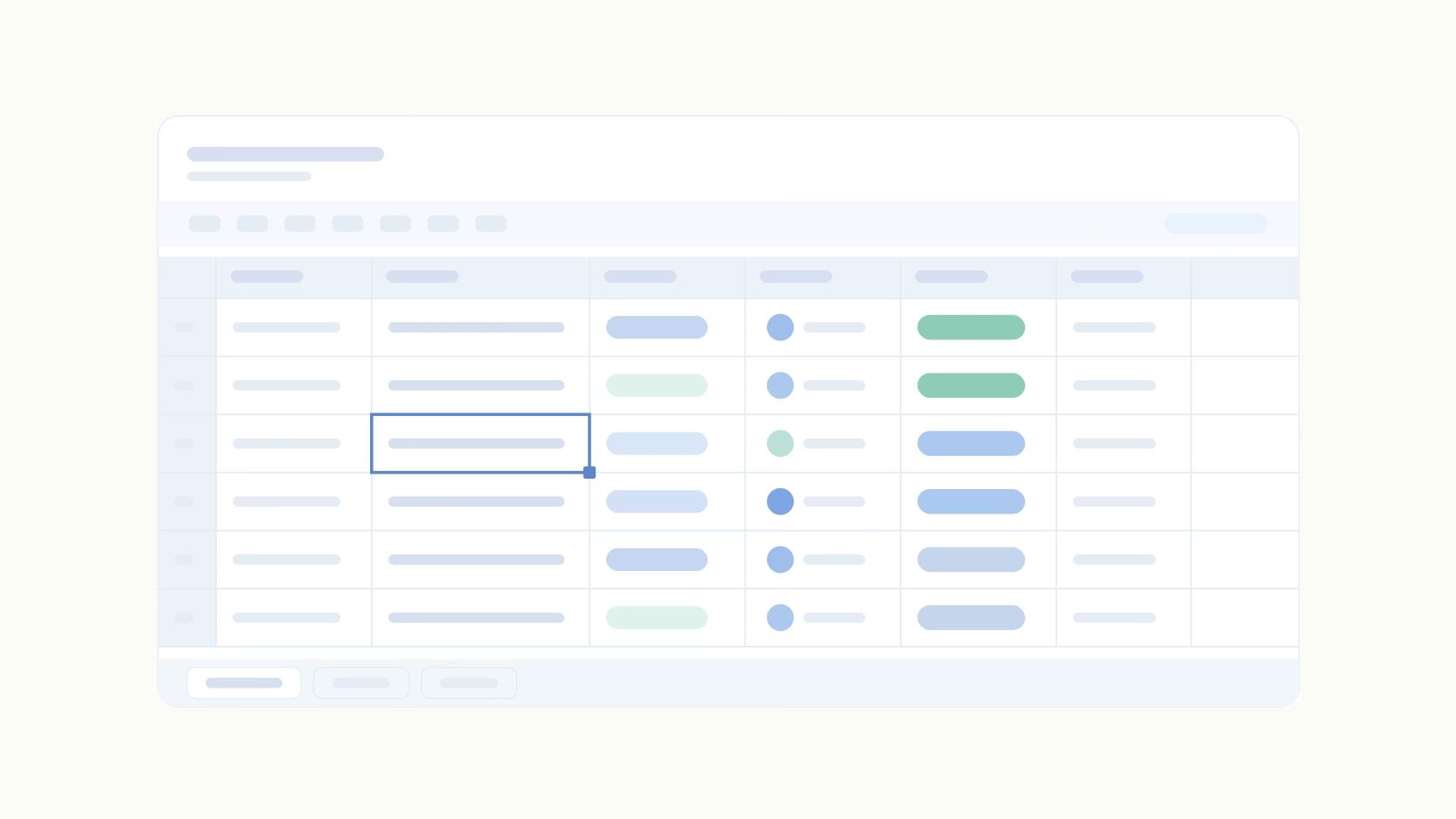
A content calendar is the visual layer showing what publishes on which day. A content planner includes that calendar plus the pillars that decide what fills each slot and the workflow that gets it signed off. A calendar with empty slots and no pillar structure turns every planning session back into a brainstorm.
How Many Content Pillars Should You Have?
Three to five. Fewer than three and the feed starts repeating itself, while more than five means no single pillar gets enough volume to judge whether it's working. A common B2B split is customer proof, product, point of view, and data or research, each with a rough percentage of the calendar.
Can You Use a Spreadsheet as a Social Media Content Planner?
Yes, and for a solo founder or a one-person social function, a spreadsheet is often the right call. It breaks down once three or more people touch a post before it publishes, because version control and sign-off have nowhere to live.
How Do You Measure Whether a Content Planner Is Working?
Track throughput and consistency rather than just engagement rate. Measure what percentage of planned slots actually published, how many days of scheduled content sit ahead of you, and performance broken out by pillar. In our experience, teams posting much more frequently each month tend to see substantially more earned media value than teams posting only a handful of times a month.
Should You Plan the Same Content for Every Platform?
No. Posting cadence and format expectations differ enough by channel that one identical schedule wastes effort on some platforms and underserves others. In our experience, multi-image posts tend to noticeably outperform text-only posts on engagement, so format decisions belong in the plan.
Related Posts
Looking to learn more? The below posts may be helpful for you to learn more about social media and content marketing.