

Only 1-3% of LinkedIn members post more than once per week, according to ConnectSafely's 2026 data. And yet 4 out of 5 members influence business decisions, giving LinkedIn the highest decision-maker density of any social platform. That asymmetry is exactly why LinkedIn for demand generation works differently than most teams assume, and why most demand gen playbooks are leaving reach on the table.
The most common mistake is treating LinkedIn like a lead capture channel first. Gate the content, run Lead Gen Forms, measure MQLs, call it demand gen. That's lead generation. And it skips the step that makes capture work: building enough awareness and intent that people actually want to convert.
This guide is for B2B demand gen leads and social managers who want a repeatable system (not a list of posting tips).
TL;DR
- The 3-layer system: organic engine, paid amplification, capture and measurement
- Personal profiles average 9,265 impressions per post vs. 1,386 for company pages (Ordinal)
- Post 3-5 times per week; posts with links get 26.5% less reach on average (Ordinal, 900K+ post study)
- Measure ICP engagement and pipeline contribution, not follower counts
Demand Generation vs. Lead Generation on LinkedIn
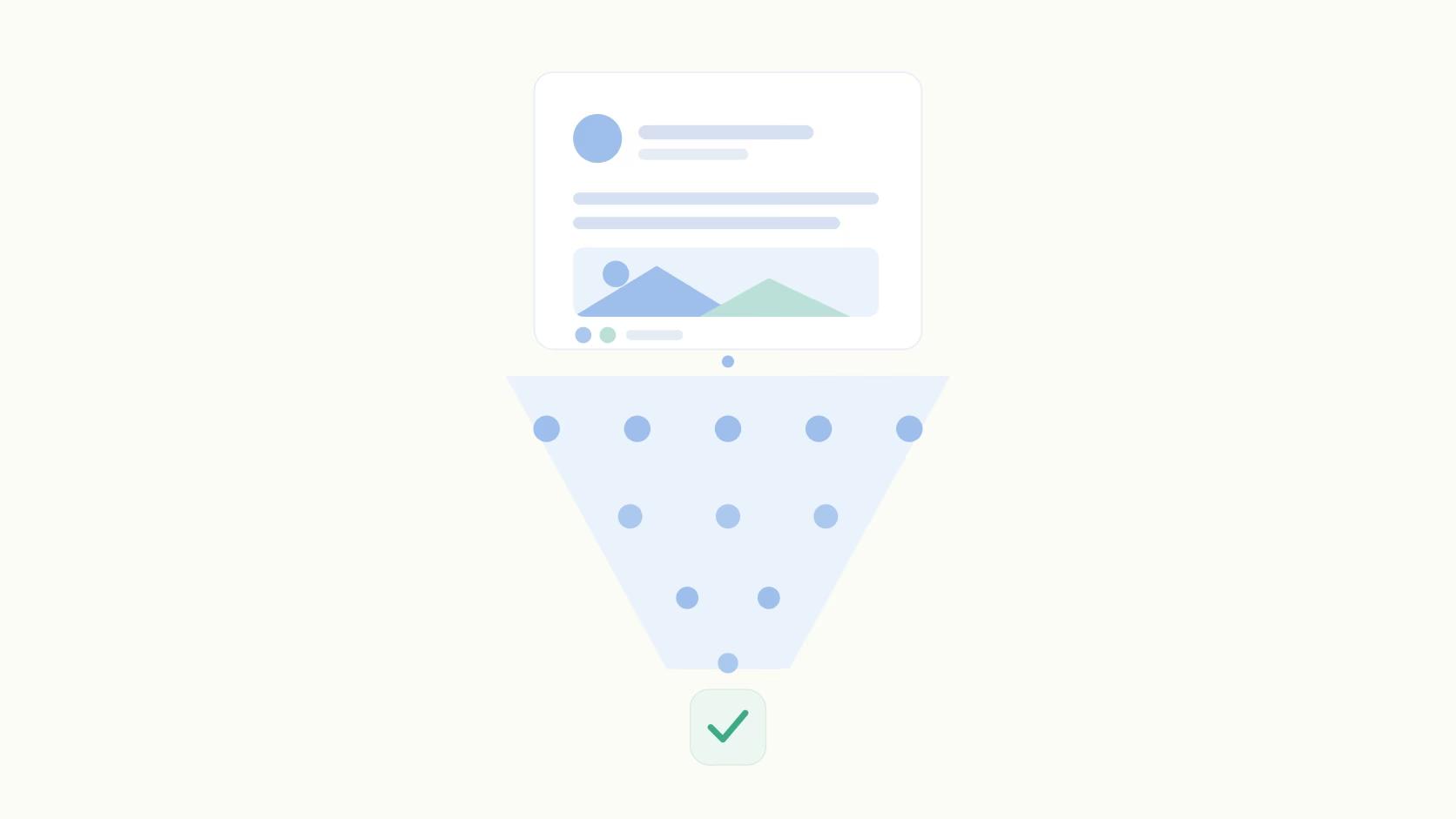
Demand generation creates and captures market awareness and intent. Lead generation captures contact information from people who already have that intent. On LinkedIn, the order matters: you need to build demand before capture mechanisms can do much work.
80% of B2B social leads come from LinkedIn, per Leadfeeder, 2026. That stat gets cited constantly to justify the channel. What gets cited less often: most teams skip straight to capture and skip the demand-building entirely. Lead Gen Forms, gated downloads, MQL tracking. That's a lead gen program.
The distinction changes what you measure and what you produce. Demand gen content is ungated, opinionated, and designed to reach people who aren't actively shopping yet. Lead gen content converts people who already are. Both belong in a full-funnel LinkedIn strategy. But you can't run lead gen effectively on a platform where nobody knows you exist yet.
Bottom line: treat demand gen as the reach-and-awareness layer that makes your capture mechanisms work.
The 3-Layer LinkedIn Demand Generation System
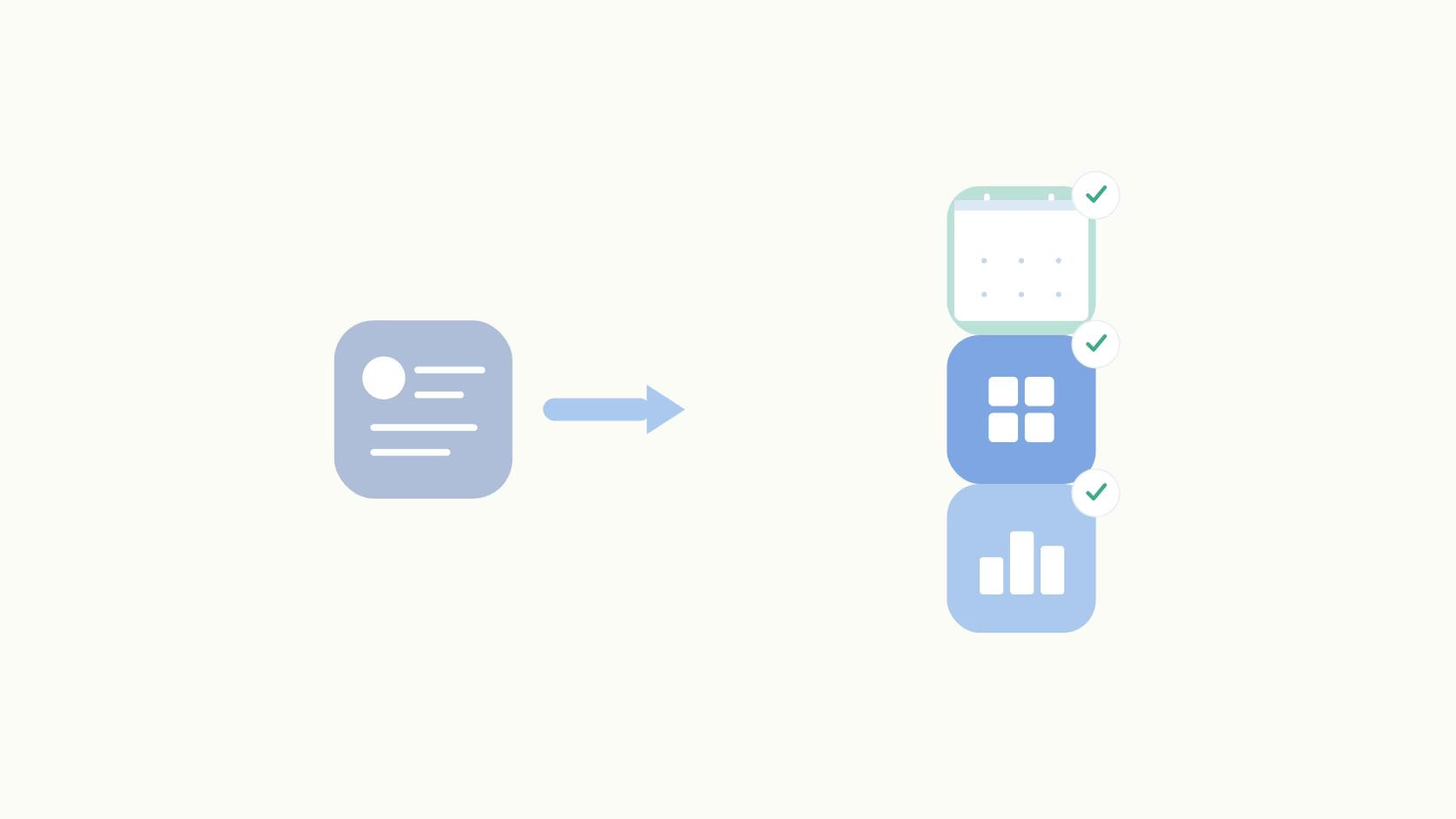
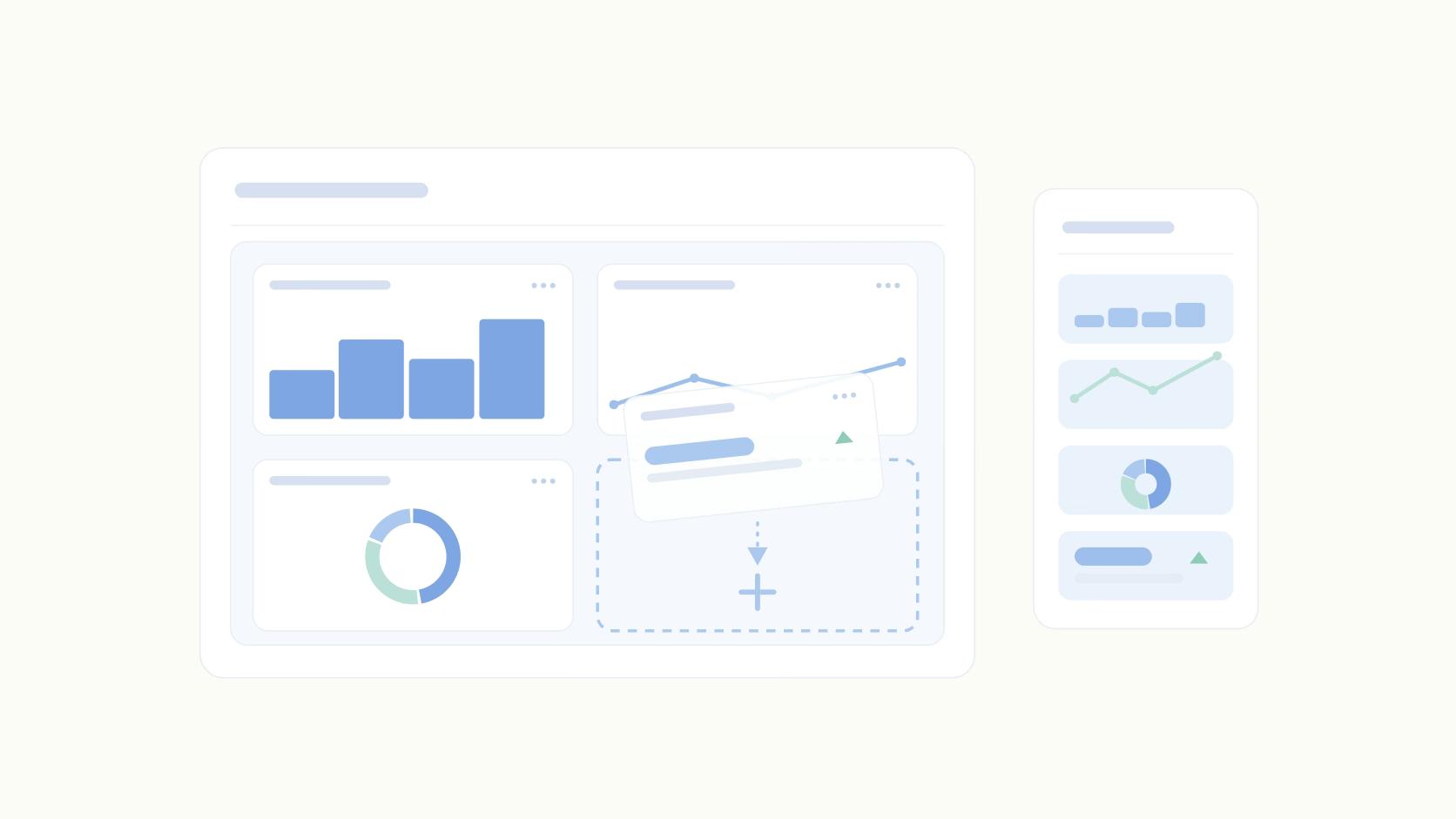
The system has three layers: an organic engine built on personal profiles, a paid amplification layer that spends against proven organic content, and a capture and measurement layer that ties activity to pipeline. Each layer depends on the one before it.
Layer 1: The Organic Engine (Personal Profiles First)
Personal profiles are the reach engine. Personal profiles average 9,265 impressions per post versus 1,386 for company pages. That's not a rounding error. And it holds directionally regardless of audience size, which means personal profiles outperform pages even when a company page has more followers than the individual does.
This doesn't mean abandoning the company page. It means your LinkedIn marketing strategy should center on human voices, with the page playing a supporting role.
On cadence: Posting 3-5 times per week delivers the best balance of engagement (1.81-1.86%) and reach efficiency. Posting more doesn't lift engagement rate much. Posting less means the algorithm deprioritizes you when you do show up. Consistency is the actual variable.
On format: keep links out of the post body. Posts with links get 26.5% less reach on average, and the penalty has grown from roughly 5% in 2023 to 42% by late 2025. If you need to share a URL, put it in the first comment. T
Employee advocacy multiplies reach without multiplying cost. beehiiv's team grew their LinkedIn following from 7,000 to 50,000 with a single social manager, partly by building employee advocacy across the team.
Layer 2: The Paid Layer (Amplify What Already Works)
LinkedIn generates leads at a rate 277% higher than Facebook and Twitter, with a 2.74% visitor-to-lead conversion rate, per Brenton Way, 2026. Those numbers make a strong case for paid investment, but the strategic question is what to amplify.
The old approach runs paid campaigns independently of organic, optimizes for Lead Gen Form completions, and measures MQLs. The problem is you're spending budget on cold audiences who've never encountered your point of view. That's expensive friction.
The better approach is to identify which organic posts generate meaningful engagement from your ICP, then amplify those posts with paid. You're buying more reach for content that's already proven, to an audience that's already warm. Full-funnel campaigns work, but over-indexing on Lead Gen Forms before you've built awareness just produces low-intent leads that don't convert downstream.
Bottom line: let organic data tell you where to spend paid, and amplify winners rather than funding cold starts.
Layer 3: Capture and Measurement
Most LinkedIn reporting tracks the wrong things. Follower counts, total impressions, and engagement rate all have their place, but none of them tell you whether your demand gen program is contributing to pipeline.
The metrics that actually matter: ICP engagement (which specific decision-makers are engaging), earned media value (a dollar figure for what your organic impressions would have cost as paid ads), and the downstream correlation between content engagement and pipeline movement.
Clay used Ordinal to attribute social to revenue, growing from 8,000 to 120,000 LinkedIn followers with a single-person social team while tying individual post engagement to closed revenue. That kind of attribution changes the budget conversation entirely.
Bottom line: know who is engaging, not just how many, and build a reporting layer that connects content activity to pipeline.
Why This Beats the Old Playbook
The old playbook gates everything, measures MQLs in isolation, and assumes more spend equals more pipeline. It made more sense when the LinkedIn feed was crowded with organic content competing for the same eyeballs as paid. That feed doesn't exist on LinkedIn the way it does on Facebook or Instagram.
Remember: only 1-3% of LinkedIn members post weekly (ConnectSafely, 2026), while 4 out of 5 influence purchasing decisions. The content competition is unusually low for the audience quality. Teams that publish consistently from personal profiles aren't just doing brand awareness. They're occupying territory almost nobody else is contesting.
And this only works if the team can sustain it. A LinkedIn demand gen program that runs for two weeks and goes quiet does nothing. The algorithm rewards consistency, and so do buyers who see your name repeatedly before they're ready to engage. The three-layer system with clear ownership exists precisely because ad hoc posting isn't a program.
Bottom line: decision-maker density plus low content competition rewards the teams willing to show up consistently. The old playbook was built for a different channel.
Building LinkedIn Into Your Demand Gen Program
The system works when all three layers run together. Organic content from personal profiles builds the awareness base, paid amplification extends the reach of proven posts, and a measurement layer ties it all back to pipeline. Start with the organic engine, because the other two layers have nothing to work with until it's running.
Activate your founders and team members on personal profiles, publish 3-5 times per week, keep links in the first comment, and amplify the posts that earn real ICP engagement. Then measure who is engaging, not how many. The operational drag is real, which is why teams use tools like Ordinal to manage LinkedIn at scale without adding headcount.
Frequently Asked Questions
What is the difference between demand generation and lead generation on LinkedIn?
Demand generation creates awareness and intent across your target market, while lead generation captures contact details from people already interested. On LinkedIn, demand gen runs mostly through consistent organic content that reaches decision-makers before they're ready to buy, and lead gen layers in capture mechanisms like Lead Gen Forms once that demand exists. Most teams over-invest in capture before they've built enough demand to make it worth capturing.
Is LinkedIn good for demand generation?
Yes. LinkedIn drives 80% of all B2B social leads (Leadfeeder, 2026), and 4 out of 5 members influence business decisions, giving it the highest decision-maker density of any social platform. Combined with the fact that only 1-3% of members post weekly, consistent publishers face unusually low competition for attention.
How often should you post on LinkedIn for demand generation?
3-5 times per week from personal profiles. Posts found this range delivers the best balance of engagement rate (1.81-1.86%) and reach efficiency. Posting less means the algorithm deprioritizes you when you do show up. Posting more doesn't meaningfully lift engagement rate and can fatigue your audience.
Should you gate content on LinkedIn for demand generation?
Not as your primary approach. Gated content captures leads, but it limits reach and skips the awareness-building step that makes capture mechanisms work in the first place. Demand gen content should be ungated, opinionated, and designed to reach people who aren't actively shopping yet. Save gating for high-value BOFU assets where the intent is already there.
How do you measure LinkedIn demand generation ROI?
Move past follower counts and impressions to revenue-adjacent signals. Track ICP engagement (which specific decision-makers are interacting with your content), earned media value (a dollar figure for what your organic impressions would have cost as paid ads), and downstream correlation between content engagement and pipeline movement. The goal is to tell leadership who is engaging, not just how many.
What role does employee advocacy play in LinkedIn demand generation?
Employee advocacy multiplies organic reach without multiplying spend. Personal profiles average 9,265 impressions per post versus 1,386 for company pages. Activating founders, executives, and team members to post and engage consistently turns your team into a distributed reach engine. beehiiv grew their LinkedIn following from 7,000 to 50,000 with a single social manager by building employee advocacy across the team.
Should you use LinkedIn Lead Gen Forms for demand generation?
Lead Gen Forms are a lead generation tool, not a demand generation tool. They work best when layered on top of paid campaigns that amplify content already proven to resonate with your ICP. Running Lead Gen Forms as your primary LinkedIn tactic without first building organic awareness produces low-intent leads that don't convert downstream.
Do LinkedIn posts with links get less reach?
Yes. Posts with links get 26.5% less reach on average, and the penalty has grown from roughly 5% in 2023 to 42% by late 2025. If you need to share a URL, put it in the first comment rather than the post body.
Related Posts
Looking to learn more? The below posts may be helpful for you to learn more about social media and content marketing.