
LinkedIn shipped more meaningful changes in the last 12 months than in the previous three years combined: a new conversation-first algorithm, BrandLink in-stream ads, saves and sends emerging as primary engagement signals, and a feed that increasingly favors personal profiles over company pages by an 8x margin.
This is the LinkedIn marketing news roundup we wish someone had sent us. Every major update, plus what it means for how you should be posting, advertising, and measuring this year.
TL;DR
- LinkedIn's algorithm now rewards depth signals like reading time, comment threads, and saves over likes and reactions.
- Video views grew 36% year-over-year, with video creation growing 2x faster than any other post type.
- Personal profiles generate 8x more engagement than company pages, whose reach has dropped 60-66% since 2024.
- BrandLink in-stream video ads deliver 130% higher completion rates than standard LinkedIn video ads.
- Saves and sends are now surfaced as primary engagement metrics, replacing impressions as the signal that correlates with pipeline.
This guide is for B2B marketing teams, social managers, and founders who want a consolidated read (not a list of raw press releases). Each section ends with a specific strategic takeaway you can act on this quarter.
The Algorithm Shift: LinkedIn Now Rewards Conversations Over Reactions
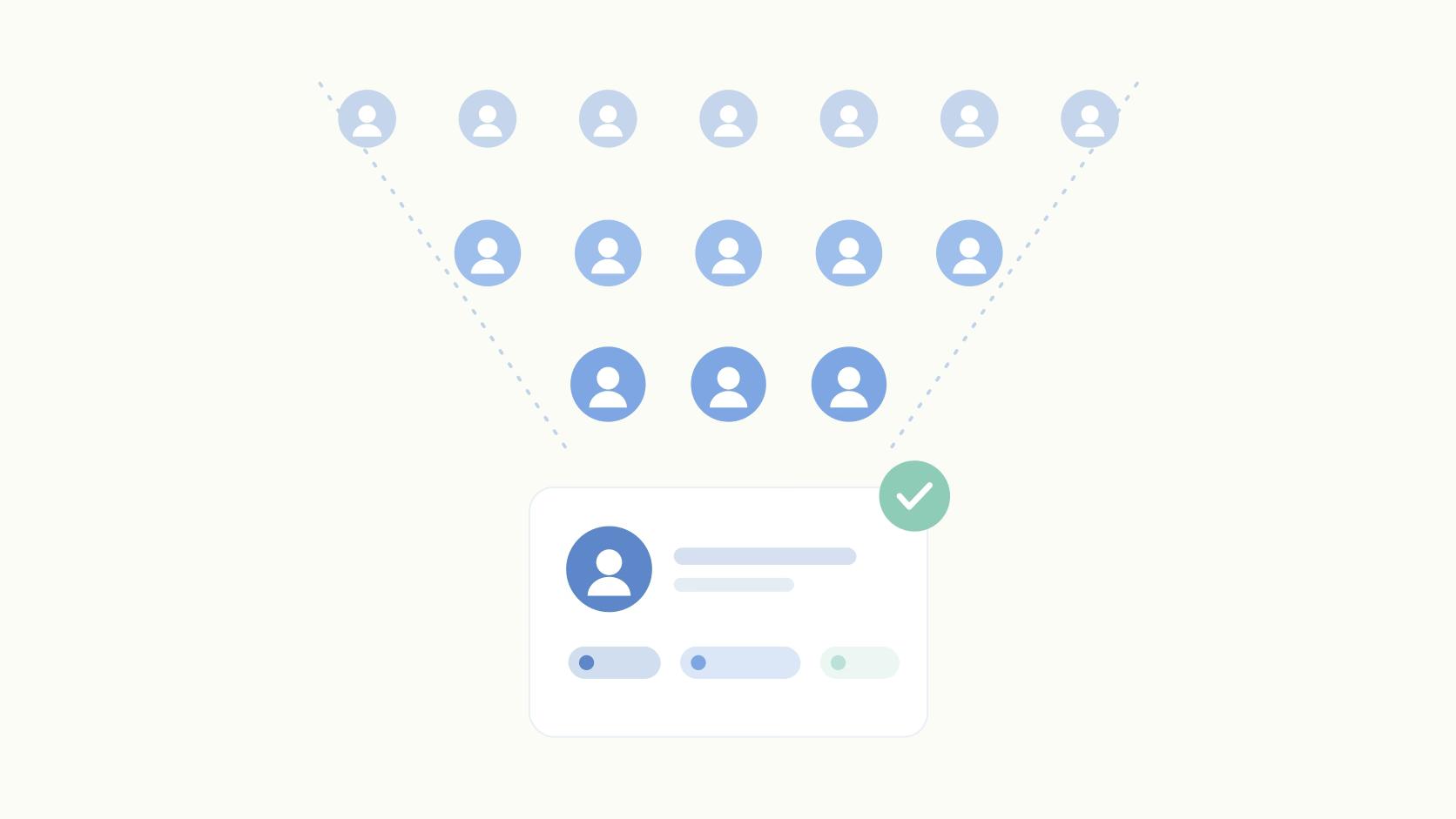
LinkedIn's 2026 algorithm explicitly prioritizes meaningful conversations over surface engagement. Likes and emoji reactions still count, but they've lost their weight as primary distribution signals. What moves the needle now: back-and-forth comment threads, full-post reads, saves, and direct shares to inboxes.
The platform calls this the "Depth Score." Reading time, comment depth, saves for later, and messages all factor in. A post that gets 20 thoughtful replies from relevant people will now outperform a post that racks up 200 quick reactions. For a deeper breakdown of how the scoring model works, see LinkedIn's algorithm in 2026.
LinkedIn's content classifiers are flagging posts that show signs of AI generation, particularly when the structure is generic and the voice is flat. And external links on company pages face a meaningful reach penalty, while low-dwell posts, regardless of engagement count, get deprioritized in subsequent distribution rounds.
A post that opens with a sharp, specific observation from your actual work will outperform a polished thought-leadership essay every time. Prompts that generate discussion ("We made this mistake. What did you do differently?") now have more algorithmic value than posts designed to collect reactions.
Video Is the Dominant Format (And the Data Backs It Up)
Video views on LinkedIn grew 36% year-over-year from February 2024 to February 2025, with video creation growing 2x faster than any other post type (LinkedIn video data, 2026). That's a structural shift in how the platform distributes content rather than a temporary trend.
The TikTok-style vertical video feed is now permanent. 78% of B2B marketers are already using video on LinkedIn, and 56% plan to increase output in 2026 (Funnel.io, 2025).
Teams like beehiiv's social scale show what's possible when video gets treated as a first-class format alongside text, not an occasional experiment.
Start with 60 to 90 second videos: a founder perspective, a quick data breakdown, a customer story told to camera. Aim for at least one video in every four posts. You don't need production quality. You need a specific point of view and a face saying it.
Personal Profiles Are Outperforming Company Pages by 8x
Personal LinkedIn profiles generate 8x more engagement than company pages (LinkedIn audience data, 2026). Company page reach has dropped 60 to 66% since 2024, and that gap isn't closing. LinkedIn's algorithm is structurally weighted toward human-to-human content, and that weighting is getting stronger.
Company pages now account for roughly 1 to 2% of what shows up in a typical user's feed.
Personal profiles dominate the rest. Teams that figured this out early are seeing compounding returns. Clay's LinkedIn growth from 8,000 to 120,000 followers in a single year came almost entirely from founder and employee accounts, not the brand page. For LinkedIn content ideas that work at the personal level, the playbook is different from what most brand social teams are used to.
The company page reach decline isn't a temporary dip. Shift your posting effort toward founders, executives, and employees. Company pages should amplify and repost, not originate.
BrandLink and the Rise of In-Stream LinkedIn Video Ads
BrandLink is LinkedIn's in-stream video ad format that places sponsored content inside premium publisher video. And audience context matters.
71% of B2B decision makers on LinkedIn are now Gen Z or Millennials (LinkedIn advertising trends, 2025). These are video-native buyers more likely to sit through a 30-second in-stream ad than click on a sponsored post in their feed. LinkedIn is also expanding BrandLink through CTV integration, extending ad placements beyond the platform. For teams weighing where to put paid budget, see LinkedIn ads vs organic for a full breakdown.
If you're already running LinkedIn video campaigns, test BrandLink against your standard sponsored video. The completion rate delta alone justifies a split test.
New Engagement Metrics Are Reshaping What "Performance" Means
LinkedIn now surfaces saves and sends as primary engagement signals alongside likes and comments. Unlike likes, saves and sends are high-intent pipeline signals. Someone saving a post is bookmarking it for a decision. Someone sending it to a colleague is surfacing it inside a buying conversation.
Posts that earn a high ratio of saves and sends relative to impressions get pushed into additional distribution rounds.
The implication for reporting: if you're still handing leadership a slide with impression counts and reaction totals, you're measuring the wrong things. Teams using a dedicated LinkedIn content platform can track saves and sends at the post level, making it easier to identify which content categories are moving the needle with buyers.
Stop reporting on impressions alone. Build a simple dashboard that shows saves and sends per post alongside your existing engagement metrics. Content that earns high saves tends to be specific, referenceable, and built around a concrete insight rather than a broad opinion.
AI Content Detection and What's Getting Suppressed
LinkedIn's content classifiers are getting better at flagging AI-generated posts. Generic structure and flat voice are the two clearest tells, and posts that trigger these classifiers see reduced distribution. The verified badge is also becoming an algorithmic signal (not just a trust indicator).
AI-assisted drafting is fine. Dropping a generic prompt output into the scheduler without editing it is increasingly a reach penalty. Voice and specificity matter more now than they did 12 months ago.
Final Thoughts
The throughline across every 2026 LinkedIn update is the same: depth beats volume, human voices beat brand pages, and video beats text-only. The teams winning right now adapted fastest to these shifts.
Pick the two or three updates most relevant to your stage and act on them this quarter. If you're unsure where to start, the algorithm shift and the personal profile gap will affect every B2B team regardless of size or industry. For data on cadence, see how often to post on LinkedIn in 2026.
Frequently Asked Questions
What Are the Biggest LinkedIn Marketing Changes in 2026?
The biggest LinkedIn marketing news in 2026 covers four shifts: a new algorithm that rewards meaningful conversations over surface engagement, BrandLink in-stream video ads delivering 130% higher completion rates than standard video ads, an 8x engagement gap between personal profiles and company pages, and saves and sends now surfacing as primary engagement metrics in analytics dashboards.
Is Video Worth Prioritizing on LinkedIn in 2026?
Yes. Video views on LinkedIn grew 36% year-over-year, and video creation is growing 2x faster than any other post type, according to Hootsuite citing LinkedIn's own data. With 78% of B2B marketers already using video and 56% planning to increase output in 2026, text-only strategies are competing at a structural disadvantage.
Why Are Company Pages Getting Less Reach on LinkedIn?
LinkedIn's 2026 algorithm explicitly favors human-to-human content. Personal profiles now generate 8x more engagement than company pages, and company page reach has dropped 60-66% since 2024. The platform's shift toward personal content is baked into how the algorithm distributes posts, not a temporary experiment.
What Is LinkedIn BrandLink?
BrandLink is LinkedIn's in-stream video ad format that places sponsored content inside premium publisher video. It delivers 130% higher completion rates and 18% higher lead likelihood compared to standard LinkedIn video ads. If you're already running LinkedIn video campaigns, it's worth running a direct comparison test.
How Is LinkedIn's Algorithm Different in 2026?
The 2026 algorithm scores posts on depth signals: reading time, comment back-and-forth, saves, and direct shares. Surface engagement like likes and emoji reactions carries less weight than it did a year ago. A post that generates 20 substantive comments now outperforms one with 200 reactions in algorithmic distribution.
Are Saves and Sends More Important Than Likes on LinkedIn Now?
LinkedIn now surfaces saves and sends as primary engagement signals because they correlate more directly with buyer intent than likes. Marketing teams reporting on content performance should track these metrics alongside impressions. They're a cleaner signal that content is reaching the right audience.
Does LinkedIn Penalize AI-Generated Content?
LinkedIn's content classifiers flag posts that show clear signs of AI generation, particularly when structure is generic and voice is flat. AI-assisted drafting is fine as long as the final post carries a specific point of view. Generic AI output with no distinctive voice is increasingly suppressed in distribution.
How Often Should B2B Teams Post on LinkedIn in 2026?
3-5 posts per week delivers the best balance of engagement and reach efficiency. Spacing posts at least 24 hours apart prevents the algorithm from treating consecutive posts as low-value repetition.
Related Posts
Looking to learn more? The below posts may be helpful for you to learn more about social media and content marketing.