

For founders hiring a LinkedIn marketing agency, the writing samples get all the attention. But samples don't decide whether a retainer works. The loop behind them does. In his 2023 New Yorker essay about ghostwriting Prince Harry's memoir Spare, J.R. Moehringer describes a late-night standoff with Harry over a single line from a military training scene, a comeback Harry was determined to keep in the book.
One of the most expensive ghostwriting jobs of the decade came down to who got the final word on one sentence. That part costs you too. A draft sitting in a Slack thread waiting for your sign-off is worth exactly as much as a post nobody wrote.
A LinkedIn marketing agency is a ghostwriter with a weekly deadline. So it hits that one-sentence standoff 50 times a month. The loop covers how drafts reach you, how approval gets tracked, who presses publish on your personal profile, and whether tags and carousels survive the trip. If an agency can't explain its loop on the first call, expect great drafts that ship late, or ship sounding nothing like you.
TL;DR:
- Personal profiles average far more impressions per post than company pages. The handoff to your profile is the real job.
- Approval friction kills cadence faster than weak drafts do. Ask how sign-off is requested, tracked, and versioned.
- An agency asking for your LinkedIn password is a red flag. Delegated access through LinkedIn's own login is the standard.
- Personal tags, PDF carousels, and bold text break in a lot of handoffs. Ask to see them working.
- Monthly reports should reach earned media value and who engaged. Otherwise your board question stays unanswered.
What Does a LinkedIn Marketing Agency Sell?
A LinkedIn marketing agency sells one of three things: paid ads management, organic content and ghostwriting for executives, or outbound prospecting from your profile. Pricing runs from about $500 a month for basic posting to $3,000+ for strategic ghostwriting, per our ghostwriter vs. in-house breakdown.
Agencies believe in the channel themselves. In SparkToro data reported by Haus Advisors in 2026, 73% of agencies called LinkedIn their most effective channel for new business.
So check case studies and niche fit. But every agency on your shortlist will pass that test. A founder hiring for thought leadership is buying the middle option. The rest of this piece covers the part of that service nobody puts on the proposal deck.
Why Your Personal Profile Is Where the Reach Is
In our experience, personal profiles consistently earn far more impressions per post than company pages do. That's a significant gap, and it's why every serious agency pitch centers on your name.
This goes past vanity reach. LinkedIn accounted for 80% of B2B social leads (LigoSocial, 2025), and people are posting the content that generates them.
So the agency's real product is a moment: the draft becoming a live post on your profile, voice intact, right people tagged. Everything before that is a document.
How Will Drafts Reach Me, and How Is Approval Tracked?
This question decides whether a retainer works. Founders skip it because the samples looked good.
We've watched plenty of executive programs stall this way. The writing was fine. But the path from draft to "yes, post it" ran through DMs, email, and a founder reading on their phone between board calls.
The Slack Ping-Pong Problem
Monday, the agency drops a Google Doc link in a shared Slack channel. You see it Wednesday night and leave three comments, two of which contradict a note you gave last week. The writer revises and reposts. The thread hits 14 messages, and nobody's sure which version is final.
Thursday's post goes out Monday. Or never.
Replying in Slack feels easy. But Slack has no concept of approved, pending, or rejected. The agency can't block a post until you've signed off, and there's no record of what you agreed to. You become the bottleneck you hired the agency to remove.
What a Blocking Approval Looks Like
A blocking approval is a workflow step that prevents a scheduled post from publishing until a named approver signs off. It turns "did the founder see this?" from a guess into a status.
A good loop sends one notification per draft. Slack or email is fine as the alert, as long as the decision happens somewhere structured.
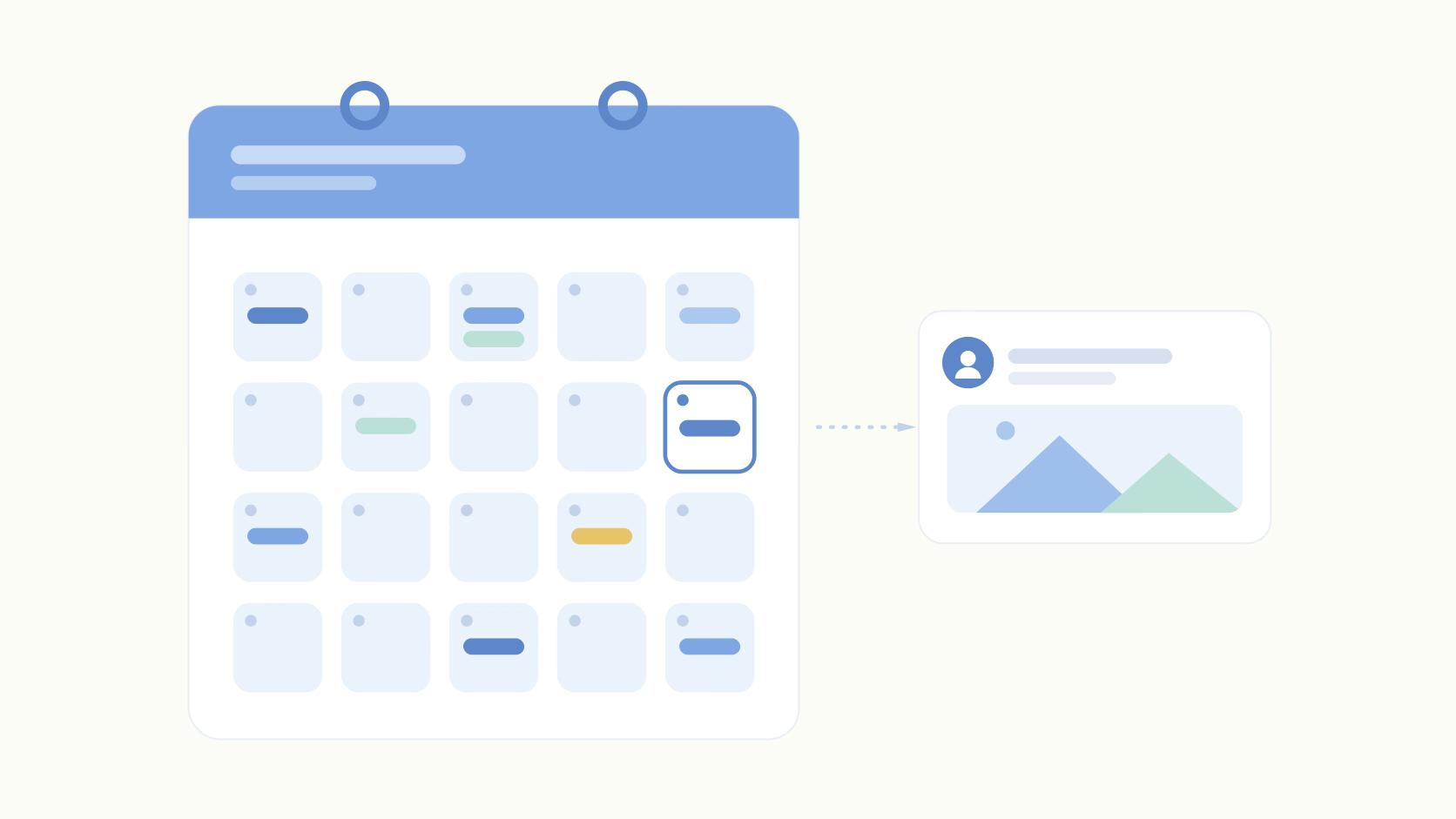
You open a preview that matches the LinkedIn feed, including where the "see more" cutoff lands. A hook chopped at line two reads very differently from the Doc version. You comment inline, then approve. If you don't, the post holds and nothing slips out unreviewed.
Version History Is How Your Voice Survives
"Does it sound like me?" is the fear behind every ghostwriting objection, and it's justified. Unedited AI posts get 28% fewer meaningful comments than human-edited ones, per HubSpot data covered in our roundup of LinkedIn AI tools.
Visible diffs fix this. Almost nobody asks for them.
When you can see the writer swapped your "we got this wrong" for "we learned valuable lessons," you catch voice drift in five seconds. Over a few months those diffs become a style guide, and the agency stops making the edit you've rejected four times.
What to Demand on the First Call
Ask the agency to share its screen and walk one real draft (anonymized is fine) from first version to published post. Watch where the draft lives. Watch how the client approves it. Check whether they can show who approved what, and when.
If the answer involves "we just ping them," you know how your next six months will go.
Who Presses Publish on Your Profile?
The agency should. It works through delegated access you authorize once through LinkedIn's official login.
You shouldn't be copy-pasting drafts into the app at 8am, and the agency shouldn't be holding your password. Both setups are common, and both break.
Passwords vs. Delegated Access
Share your password and LinkedIn sees logins from a new city. It sends you a verification code at 7am, and occasionally locks the account. You've also handed a contractor you've never met full access to your DMs.
Delegated access through an authorized scheduling tool avoids all of that, and it can be revoked in one click. The opposite failure is the agency that sends "final copy" for you to post yourself. For a busy founder, that survives about three weeks.
Do Tags, Carousels, and Formatting Survive the Handoff?
This is where agency setups quietly fall apart. Plenty of schedulers tag company pages but not personal profiles. So the post welcoming your new VP of Sales goes out untagged, or someone logs in to post it manually.
PDF carousels, polls, and bold text hit the same wall, and agencies end up pasting Unicode characters to fake formatting.
Timing matters too. The first hour after publishing heavily shapes how far a post travels, as our comparison of LinkedIn schedulers covers. The agency needs a way to coordinate early engagement from your team.
Ask which tool they publish from. If they hesitate, ask for a screenshot of a client post with a personal tag, a carousel, and a poll.
What LinkedIn Agency Reporting Ties Posts to Pipeline?
Pipeline-ready reporting shows three things: earned media value, performance by content type, and which named people engaged. A report full of follower counts and vague engagement increases leaves you with nothing to say when the board asks whether LinkedIn is working.
Earned media value (EMV) is the dollar amount the same impressions would have cost as LinkedIn ads, calculated from a set CPM. It's imperfect. But it turns a vanity number into a figure a CFO can compare against ad spend.
Content-type breakdowns tell you whether hiring stories beat product takes, so next month's calendar gets smarter.
The people who engaged are the closest thing to pipeline. When a VP at a target account comments on three of your posts, your sales team wants that name. IBM found leads from employee content convert 7x more often than other leads (IBM via Ordinal, 2025). Jeffrey Zhao, Ordinal's co-founder, puts it this way:
"Creating a great executive advocacy system almost always outperforms your other marketing channels. It's a low-cost, purely organic play, but it has this interesting shape where it actually leads to real demand generation." - Jeffrey Zhao
Ask every agency for a sample monthly report before you sign. If it stops at impressions, you'll be building the pipeline story yourself.
The First-Call Questions for Any LinkedIn Marketing Agency
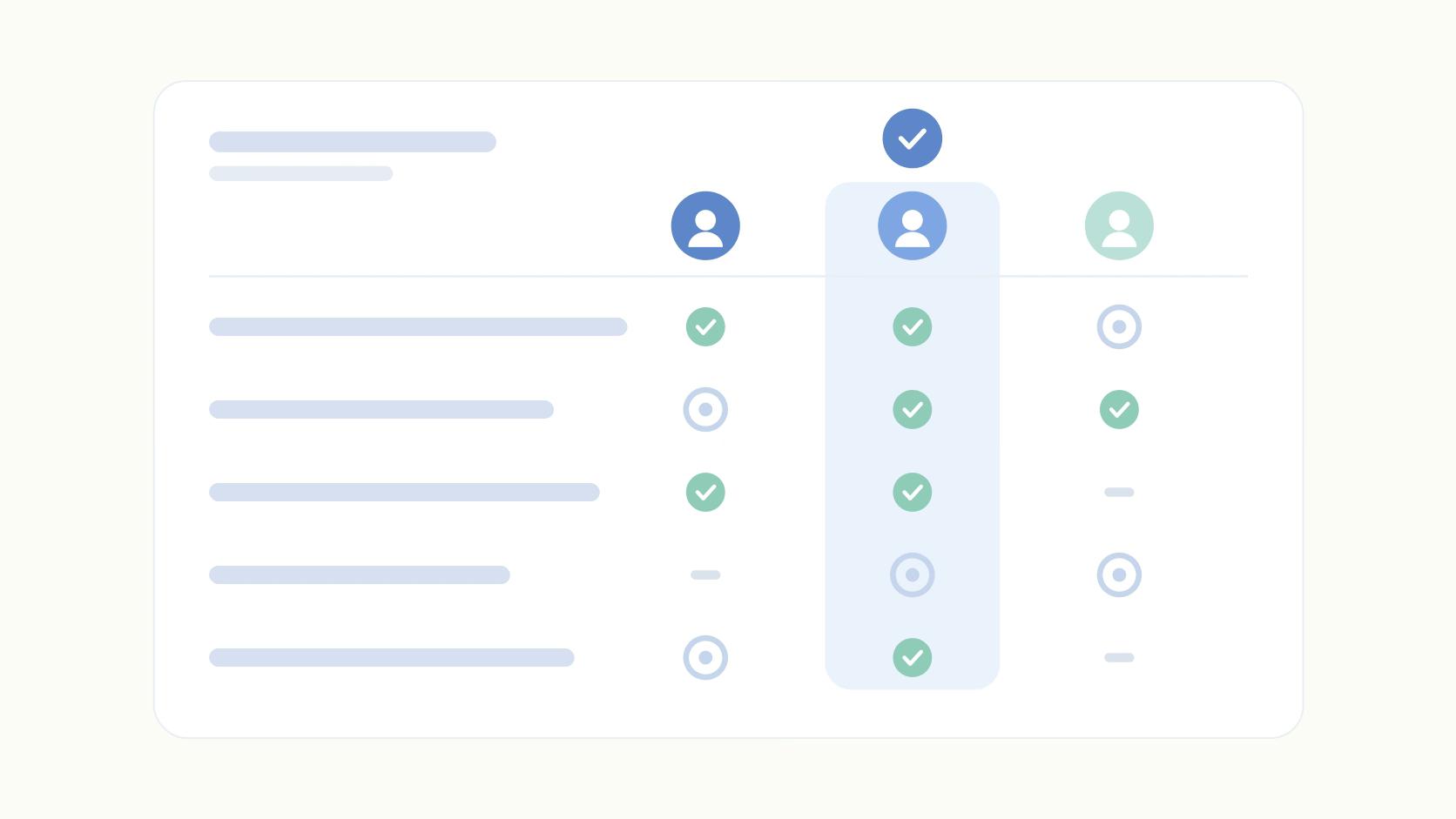
Run every shortlisted agency through these five questions, in this order.
No agency needs perfect answers to all five. But two or more from the right-hand column means you'll be managing their workflow on top of your own.
How Ordinal Fits Under Your Agency
Ordinal is the infrastructure a good LinkedIn agency should already be running on. Many of the ghostwriting agencies we work with use it for exactly this loop.
Drafts go through blocking approvals with Slack notifications, inline comments, and version history with diffs. Previews show where "see more" falls. The agency publishes to your personal profile through delegated access, with native tagging, PDF carousels, polls, and formatting intact. Auto-engagement from teammates lands in that first hour.
On reporting, Ordinal calculates EMV on every post, breaks results down by content type and label, and (on Enterprise) shows which LinkedIn users liked or commented. If you're building your founder personal brand with an agency, ask whether they run on Ordinal or something with the same capabilities.
Final Thoughts
Before signing any retainer, run one test. Ask the agency to put a single draft through its full process this week: first version, your approval, a scheduled post with a tag in it.
Time it. Count the messages it took. That trial run will tell you more about the next six months than any portfolio of writing samples.
Frequently Asked Questions
How Much Does LinkedIn Marketing Typically Cost?
LinkedIn agency content packages vary widely in price, with basic posting services on the lower end and strategic ghostwriting commanding a premium. Ads are a separate line item, since LinkedIn bills ad spend directly based on your targeting and budget.
How Does LinkedIn Marketing Work?
A LinkedIn marketing agency handles organic ghostwriting for personal profiles, paid ads through Campaign Manager, outbound outreach, or some mix of the three. B2B agencies lean on ghostwriting because personal profiles get far more reach than company pages. The approval and publishing loop decides whether that strategy ships.
What Is the 4-1-1 Rule on LinkedIn?
For every six posts, four should be valuable original content, one a soft self-promotion, and one a hard sell. It's a content-mix framework from Twitter-era social strategy. B2B founders often adapt it with even less self-promotion.
What Is the 3-2-1 Rule on LinkedIn?
It's a posting mix of three educational posts, two engagement or opinion posts, and one promotional post per cycle, often weekly. Treat it as a starting template and adjust once you see what your audience responds to.
What Is the 3-3-3 Rule for Marketing?
Spend three minutes engaging with three posts from three different accounts around the time you publish. LinkedIn rewards accounts active in the feed, which is why coordinated engagement at publish time matters.
Does a LinkedIn Marketing Agency Need My Password to Post for Me?
No. Be wary of any LinkedIn agency that asks for it. Legitimate agencies use scheduling tools with delegated access to post, tag people, and upload carousels without touching your credentials.
How Do I Know if My LinkedIn Agency Is Driving Pipeline?
Ask for reporting that includes earned media value, content-type breakdowns, and the named people engaging with your posts. If your LinkedIn agency can't tie a post back to a named engager or pipeline signal, you're paying for a vanity-metrics report.
Related Posts
Looking to learn more? The below posts may be helpful for you to learn more about social media and content marketing.