

Budgets are flat, buying groups have ballooned, and the old playbook of more leads, broader reach, and hope something converts is quietly failing B2B revenue teams everywhere.
65% of B2B marketers report flat or shrinking budgets (Intentsify, 2025), while one in five businesses now has six or more people in the buying group. When half a dozen stakeholders influence a deal, scoring individual leads misses the picture, because the decision isn't being made by one person filling out a form.
That pressure is what's driving B2B predictive marketing, the discipline of using data to forecast which accounts are most likely to buy before they raise their hands. It lets teams stop spraying budget and start targeting with precision.
This guide covers what predictive marketing is, why it matters now, how it works in practice, and where to start without buying a new platform.
TL;DR
- Predictive marketing uses behavioral, intent, and firmographic data to rank accounts by likelihood-to-buy. It's account-level, not lead-level.
- Shrinking budgets and expanding buying groups make broad demand gen increasingly hard to justify.
- You don't need a data science team to start. The first-party signals you already collect are enough to build an initial scoring model.
- Social and brand engagement signals count as predictive inputs, even though most search results ignore them entirely.
What Is B2B Predictive Marketing?
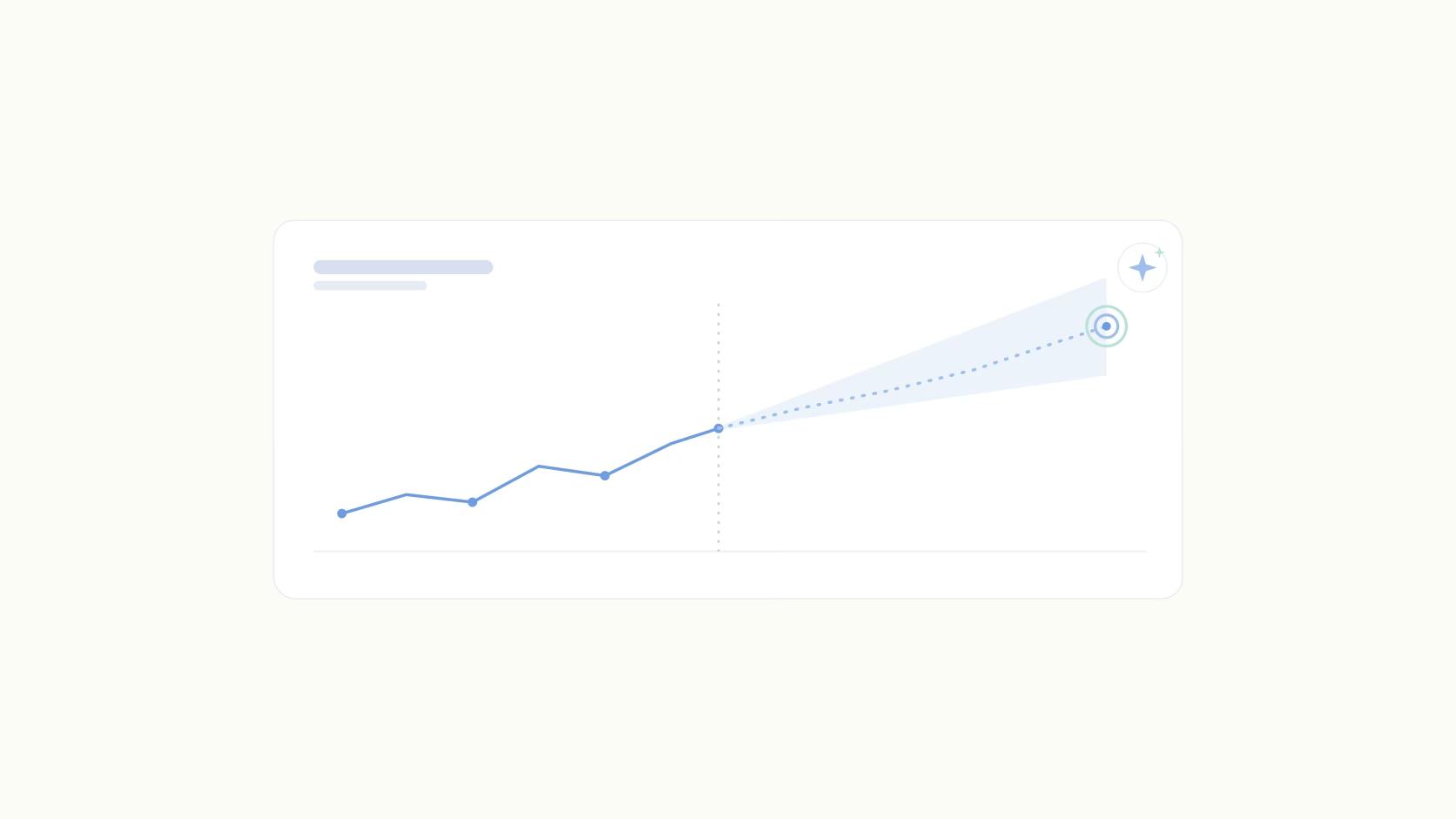
B2B predictive marketing uses historical, behavioral, and intent data to forecast which accounts are most likely to buy, so revenue teams can concentrate effort on high-fit opportunities instead of treating every lead the same.
The output is a ranked list of accounts, not a list of contacts, and that distinction matters more than most teams realize.
Traditional lead scoring works backward: someone fills out a form, opens an email, or attends a webinar, and the system assigns points. It's reactive by design and blind to the other five people in the buying group who never touched your content. Predictive marketing flips that approach. It pulls signals from across an account, models patterns from past deals, and produces a likelihood score before anyone raises a hand.
The core inputs are intent data (third-party research signals showing which topics an account is consuming), firmographic fit (company size, industry, tech stack, growth rate), first-party engagement (how the account interacts with your site, content, or campaigns), and past-deal patterns (what your closed-won accounts looked like at various stages). Combine those and you get a probabilistic view of pipeline instead of a lagging indicator.
Predictive marketing isn't a switch you flip. It's a discipline that gets sharper over time as the model trains on more signal, and it doesn't require a data science team to start.
Why Predictive Marketing Matters Now
The case for precision targeting isn't abstract anymore. 65% of B2B marketers report flat or shrinking budgets (Intentsify, 2025) at exactly the moment when buying groups are getting harder to reach. Broad demand gen made sense when a single decision-maker could be swayed by one well-timed ad, but that's not the buying environment in 2026.
With one in five businesses now running buying groups of six or more people, spray-and-pray outreach fails structurally. You might reach one stakeholder perfectly and miss the other five who are doing their own research in parallel. Account-level targeting exists to solve exactly that problem.
The self-serve shift makes early signals even more critical. According to Forrester's 2025 predictions, more than half of large B2B purchases of $1 million or greater will be processed through digital self-serve channels. Buyers are evaluating and short-listing vendors before sales ever enters the conversation, so if you're waiting for an inbound form fill to start tracking intent, you've already missed the window.
The urgency isn't only strategic, either. Only 12% of marketing leaders believe their current org design will help them hit revenue targets. Better messaging doesn't always close that gap, and that gap actually points to a structural problem with how teams identify, prioritize, and time their outreach.
Predictive marketing is a direct answer to it.
"It's important to flip this conversation. For B2B SaaS, LinkedIn is one of the best acquisition channels. You really need to approach it as a GTM motion. It needs the sophistication, the care, the coordination of that." — Jeffrey Zhao, Cofounder of Ordinal
How B2B Predictive Marketing Works
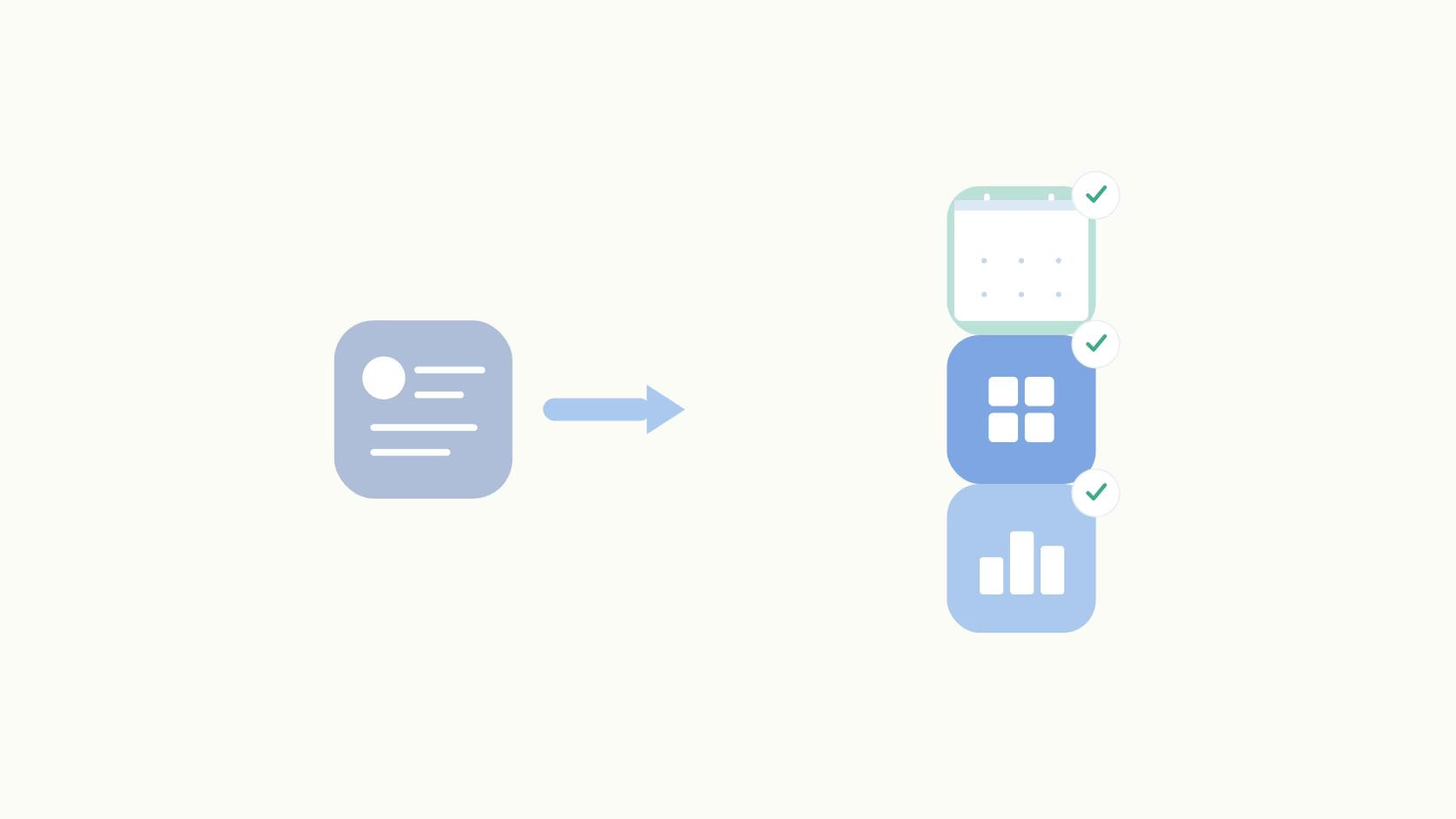
The mechanics break down into three stages: data inputs, account scoring, and action. Each stage depends on the one before it, so the quality of your input determines the quality of your output.
1. Data Inputs
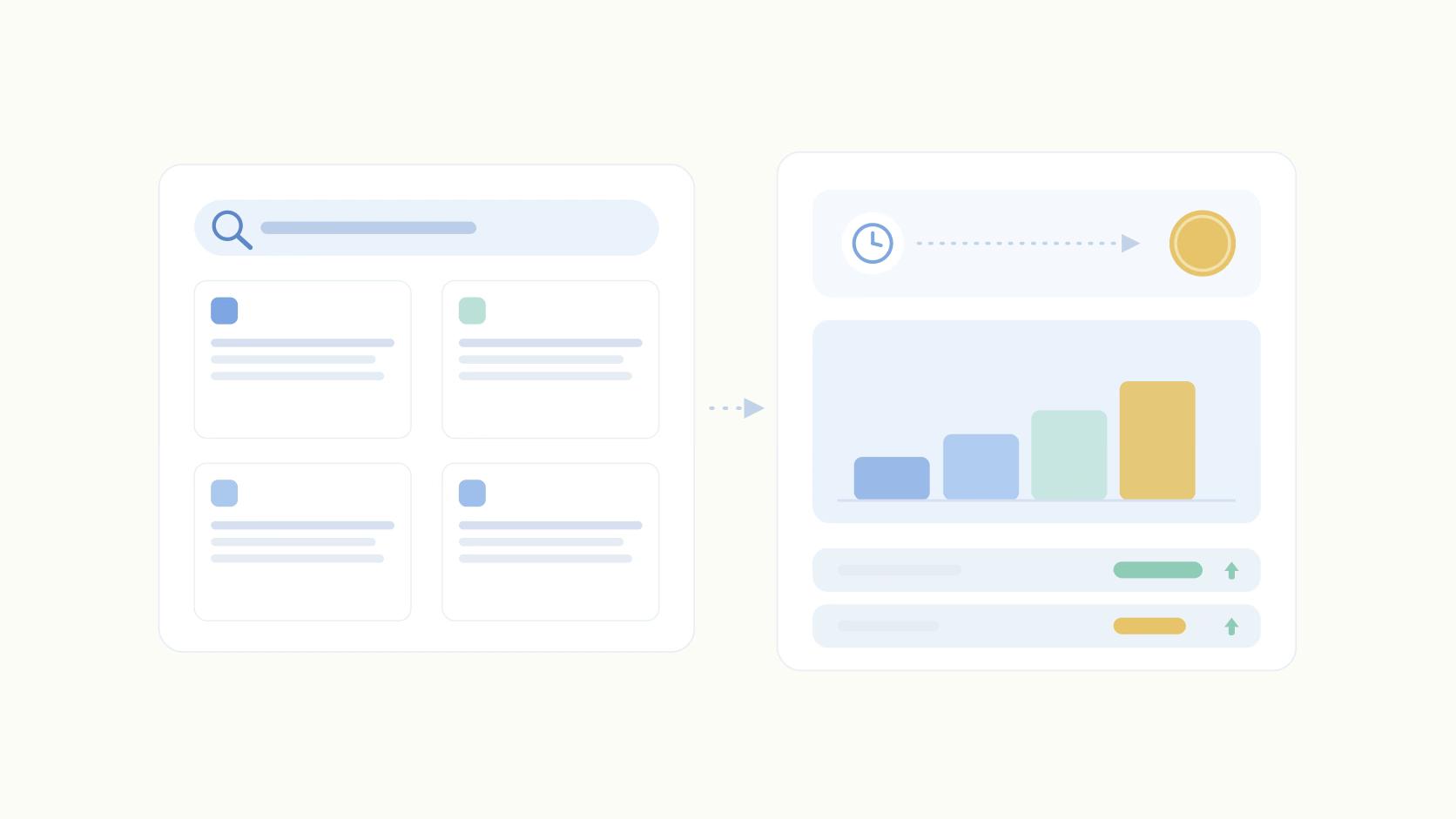
First-party data is your starting point. Site behavior, content downloads, email engagement, and event attendance all signal where an account sits in its research process. Layer in third-party intent data, the topic consumption patterns sourced from publishers and content networks, and you start seeing accounts that are in-market before they ever touch your site.
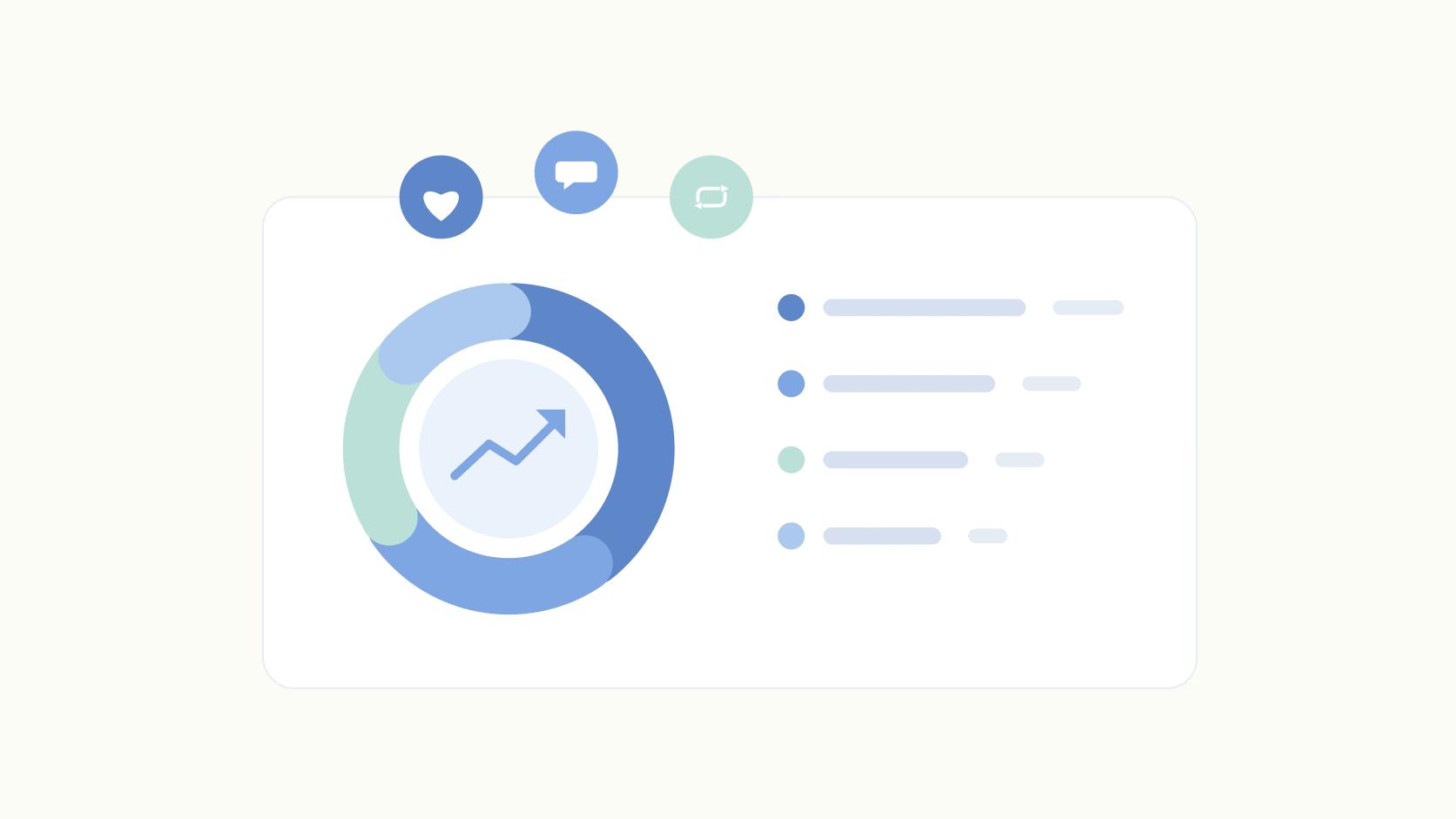
Firmographic filters like industry, employee count, tech stack, and funding stage help separate accounts that fit your ICP from those that match on intent but won't convert. Social and brand engagement belongs here too. An account where three employees have engaged with your LinkedIn content in the past 30 days is a warmer signal than most teams treat it as, and it connects directly to leading indicators of revenue.
2. Scoring
Account scoring takes those inputs and produces a ranked list. The model weights signals differently based on what your historical closed-won data shows. Accounts that look like your best customers by firmographic profile, research behavior, and engagement pattern surface at the top. Lead-level scoring can't do this because it measures individual actions, while account-level scoring aggregates behavior across every stakeholder in the buying group. That matters because more than 50% of younger B2B buyers rely on 10 or more external influencers to make a decision (Forrester, 2024). If the model only tracks one person's behavior, it's missing most of the signal.
3. Action
High-fit accounts route to sales for direct outreach. Mid-tier accounts enter nurture sequences timed to their research stage. Content gets sequenced based on where an account sits in the marketing funnel stages, not on a generic drip schedule. And timing shifts from "when we're ready to reach out" to "when the account shows buying signals." That last shift is where predictive marketing pays for itself fastest.
Putting Predictive Signals to Work
The most immediate application is account prioritization. Instead of handing sales a volume-based lead list, you give them a ranked account list with the reasoning behind each score. Win rates on prioritized accounts tend to improve because reps stop wasting cycles on low-fit accounts that were never going to close.
Content sequencing is the second use case. Once you know an account is in active research mode, you can serve content that matches their stage instead of defaulting to the top of the funnel. An account consuming competitive comparison content is further along than one reading category explainers, and the two need different messages.
Churn prediction runs the same model in reverse. Accounts that go quiet, reduce engagement, or shift their intent signals toward competitor topics are showing early warning signs. Catching that before a renewal conversation is worth more than any save play after the fact.
Where teams underestimate predictive marketing most is in brand and social signals. Branded search volume, social sentiment shifts, and LinkedIn engagement from an account's employees are leading indicators of pipeline, not vanity metrics. The accounts doing quiet reconnaissance before they contact you are identifiable if you're watching the right signals.
Start with what you already have: first-party engagement data and basic firmographic filters are enough to build a working account-scoring model. Buy additional intent data once you've validated the approach with your own signals.
The discipline matters more than the platform you run it on.
Where to Start
Predictive marketing is a response to real pressure, not a category invented by software vendors. Flat budgets, expanding buying groups, and a self-serve buying process that starts well before sales gets involved have made precision targeting a structural requirement.
The starting point doesn't require a new platform. Score accounts on the first-party signals you already collect, like site behavior, content engagement, and firmographic fit, then validate the approach before layering in third-party intent data. Teams that try to buy their way into predictive maturity before establishing a baseline model consistently overspend and underperform.
The GTM framing matters here. Predictive marketing works because it treats acquisition as a coordinated motion across signals, content, timing, and sales handoff. Optimizing any one piece in isolation misses the point. Get the inputs right, let the scoring reflect your actual closed-won patterns, and then act on what the model surfaces. That sequence is where the wins compound.
Frequently Asked Questions
What is B2B predictive marketing?
B2B predictive marketing uses historical, behavioral, and intent data to forecast which accounts are most likely to buy, so teams can prioritize high-fit accounts instead of treating every lead the same. It shifts focus from individual lead scoring to account-level prioritization, which is more accurate when buying groups span six or more people.
How is predictive marketing different from traditional lead scoring?
Traditional lead scoring reacts to individual actions like form fills or email opens. Predictive marketing models patterns across entire accounts and surfaces intent earlier, before someone raises a hand. That distinction matters when one in five businesses now has six or more people in the buying group and a single contact's behavior tells you almost nothing about where the account stands.
Do you need a data science team to run B2B predictive marketing?
No. You can start with the first-party and intent signals you already collect and build a simple account-scoring model without a dedicated data team. Larger teams benefit from more sophisticated modeling, but the fundamentals are accessible to any marketing team with clean CRM data and a basic intent feed.
Why does predictive marketing matter more in 2026?
With 65% of B2B marketers reporting flat or shrinking budgets, broad reach strategies have become expensive guesswork. Buying groups keep expanding, digital self-serve now drives most large purchases, and only 12% of marketing leaders believe their current org design will help them hit revenue targets. Precision targeting isn't a nice-to-have when the math on spray-and-pray no longer works.
What data does B2B predictive marketing rely on?
The core inputs are intent data, firmographic fit, first-party engagement history, and past-deal patterns from your CRM. Social and brand engagement signals also work as leading indicators of pipeline activity, often surfacing in-market accounts before they fill out a form or talk to sales.
Does predictive marketing work for small B2B teams?
Smaller teams often see the biggest immediate gains because they can't afford wasted spend on low-fit accounts. Account prioritization lets a lean team concentrate effort where it's most likely to convert rather than spreading thin across a broad lead list. Start with the first-party data you already have and expand from there once the model proves its value.
How long does it take to see results from predictive marketing?
It depends on your data quality and deal cycle, but account prioritization usually delivers value quickly, often within a quarter, because reps immediately stop wasting time on low-fit accounts. The scoring model itself sharpens over time as it trains on more closed-won data, so accuracy improves the longer you run it.
Related Posts
Looking to learn more? The below posts may be helpful for you to learn more about social media and content marketing.