

Everyone talks about the marketing funnel, but few teams actually use it to drive decisions. You're creating content, running ads, and nurturing leads, but without a clear funnel framework, you're guessing at what works. The funnel gives you a structure to measure every stage, identify bottlenecks, and allocate budget where it matters most. In this guide, we're breaking down the stages from awareness to conversion, the strategies that move prospects forward, and examples you can steal for your own campaigns in 2026.
TLDR:
- Marketing funnels map how prospects move from awareness to purchase across three stages (TOFU, MOFU, BOFU).
- Only 34% of companies optimize their funnels, leaving major revenue opportunities untapped.
- B2B funnels require 12+ touchpoints before conversion, demanding stage-specific content and nurturing.
- Track metrics at each stage: reach at top, engagement in middle, conversion rates at bottom.
- Ordinal provides comprehensive engagement analytics and team coordination features that maximize social media impact.
What Is a Marketing Funnel
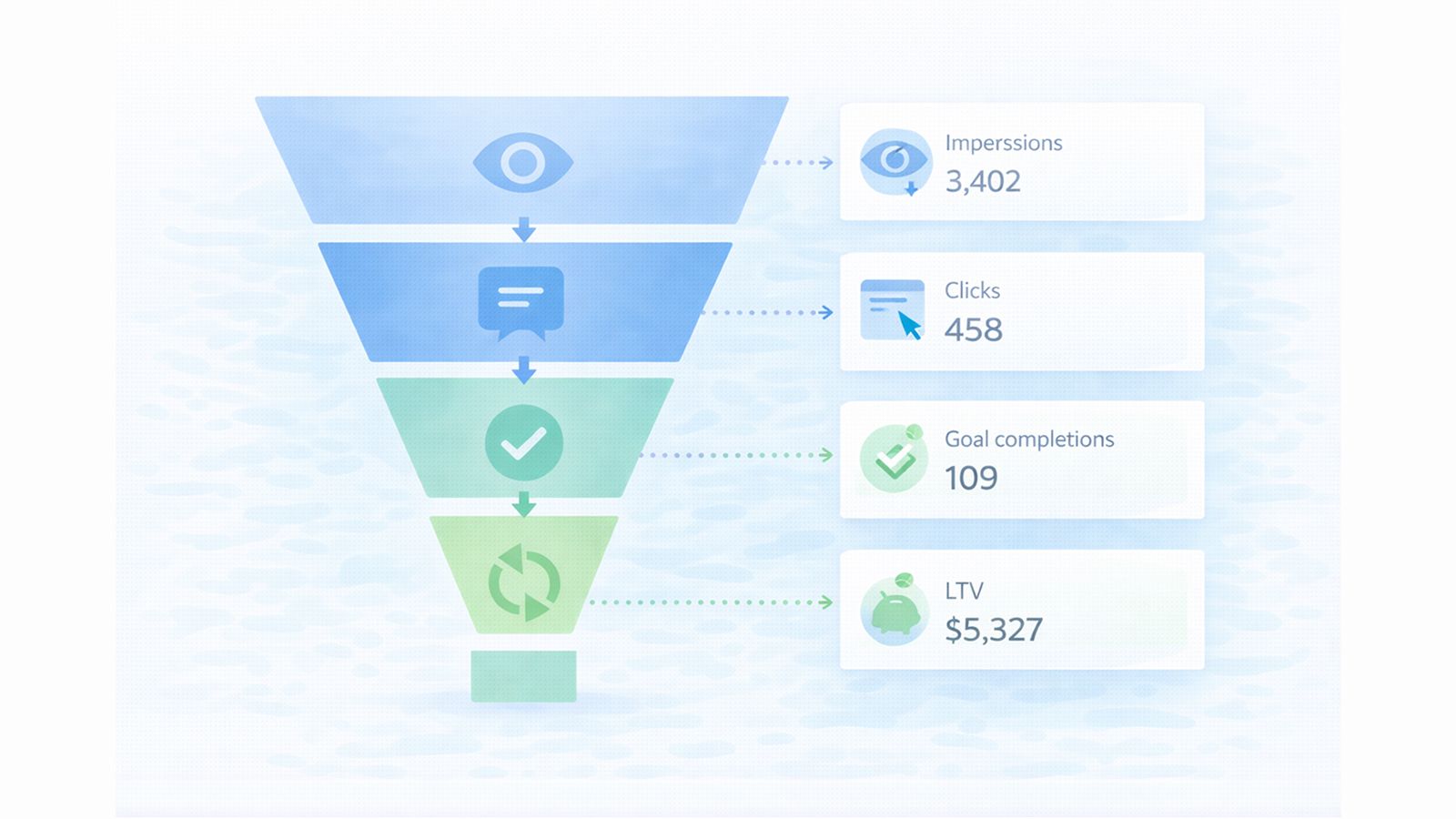
A marketing funnel is a visual framework that represents how potential customers move from first discovering your brand to making a purchase and becoming loyal advocates. The funnel metaphor reflects reality: you start with a large audience at the top who become aware of your business, and as people progress through each stage, the pool narrows to those who actually convert.
Think of it as a roadmap for the customer journey. At each stage, prospects have different levels of awareness, different questions, and different needs. Someone just learning about your product requires different content and messaging than someone ready to buy.
Businesses use this model because it forces strategic thinking about each interaction point. When you map your marketing efforts to funnel stages, you can identify exactly where prospects drop off, which channels drive the most qualified leads, and where to allocate budget for maximum impact.
We see this framework as essential for any team serious about driving revenue from their marketing. The funnel turns abstract concepts like "brand awareness" into measurable stages with clear tactics and metrics attached.
Marketing Funnel Stages Explained
Most marketing funnels follow three core stages: awareness, consideration, and conversion. Each represents a distinct phase in how prospects engage with your brand.
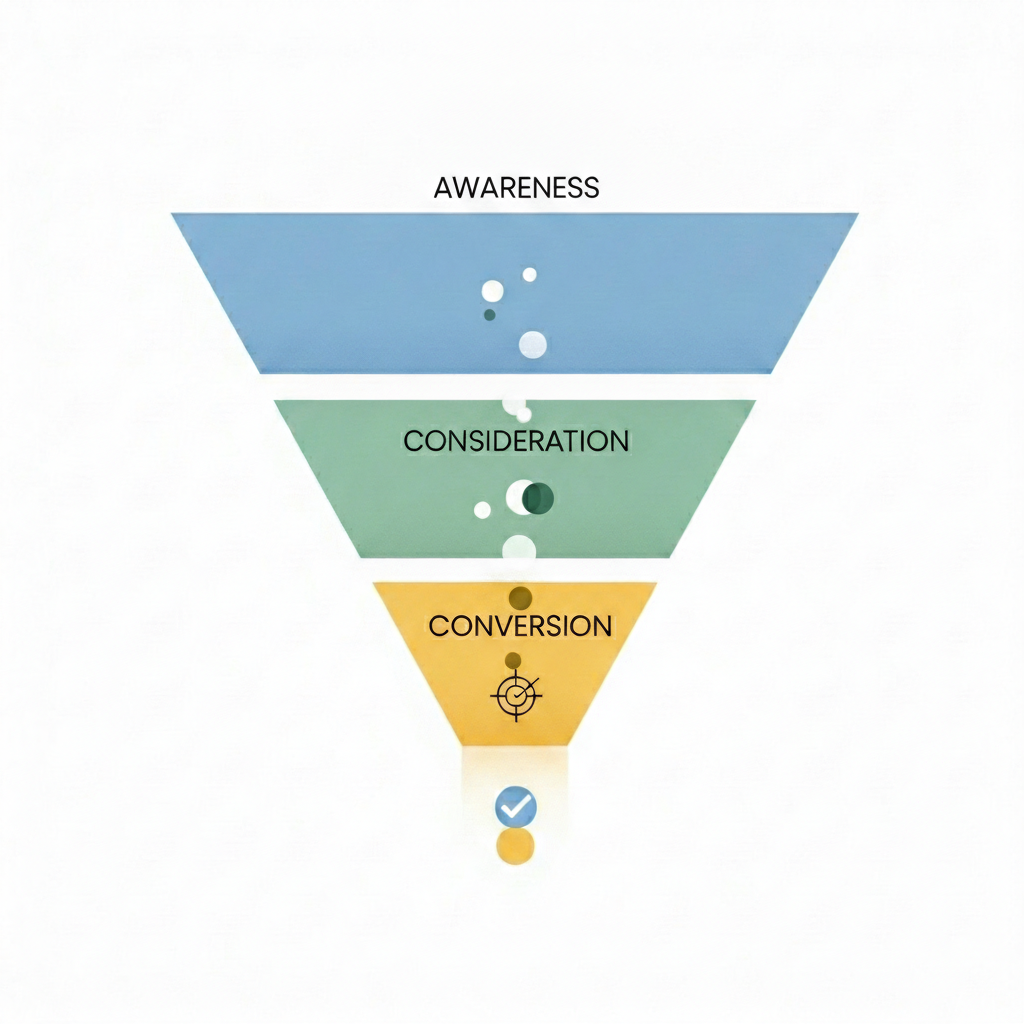
Understanding progression between stages matters. Only 34% of companies regularly optimize their sales funnel, leaving a significant opportunity on the table. Benchmark data shows typical conversion rates: Lead to Marketing Qualified Lead (MQL) at 25-35%, MQL to SQL at 13-26%, and SQL to Opportunity at 50-62%.
These numbers reveal where most prospects drop off and where optimization efforts deliver the highest return.
Awareness / Top of Funnel Marketing (TOFU)
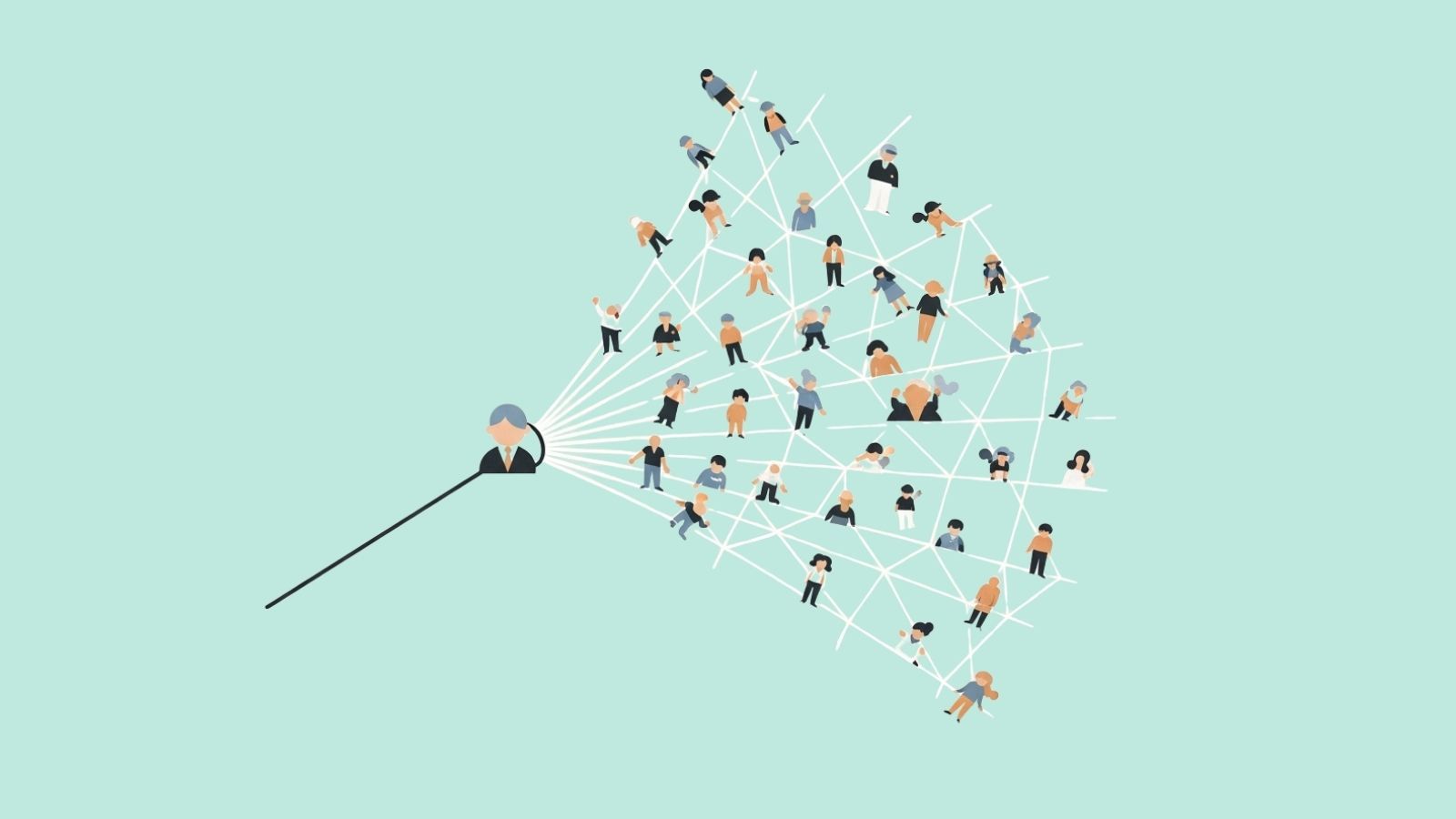
Awareness / Top-of-funnel marketing is about casting a wide net to reach people who don't yet know your solution exists. Your goal isn't immediate conversion but rather building awareness and establishing credibility with the largest possible relevant audience. The key is providing value without asking for anything in return - here's how to do it:
Educational content performs best here. Content marketing, like blog posts answering common industry questions, beginner guides, LinkedIn thought leadership posts, and trend reports drive awareness. These assets target informational search queries where people are learning, not buying.
Social content amplifies reach beyond search. LinkedIn posts, Twitter threads, and short-form video content on TikTok or Instagram help you appear where your audience already spends time. The key is providing value without asking for anything in return. Share insights, challenge assumptions, and spark conversations that position your brand as a knowledgeable resource. Unexpected marketing approaches can help you stand out in crowded feeds.
Paid advertising extends your organic efforts. Paid ads help put your brand in front of cold audiences based on demographics, interests, or behaviors.
Success at this stage means impressions, reach, and engagement rather than direct conversions.
Consideration / Middle of Funnel Marketing (MOFU)
Consideration / Middle-of-funnel is about engaging with prospects that already know you exist. Now they're evaluating whether your solution actually solves their problem. This stage requires deeper engagement through content that builds trust and demonstrates real value. Generic content won't cut it - prospects need resources that speak directly to their evaluation process.
Email nurturing becomes critical here. Automated sequences deliver relevant content based on prospect behavior and interests. Share comparison guides, detailed how-to resources, and industry benchmarks that help them make informed decisions. The key is sustained contact without being pushy.
Case studies and social proof carry significant weight during consideration. Prospects want to see evidence that companies like theirs achieved results with your solution. Customer stories, testimonials, and ROI data validate your claims and reduce perceived risk. Case studies and social proof carry significant weight during consideration.
Tracking which prospects engage with your organic content. Beyond static testimonials, tracking those who engage with your content- commenting on posts, sharing insights, or participating in discussions - provides real-time qualification signals that reveal who's actively evaluating solutions. A prospect who commented on your product comparison post is significantly warmer than someone who simply downloaded a whitepaper months ago.
Product demonstrations let prospects experience your offering firsthand. Webinars, interactive demos, and free trials remove uncertainty about capabilities. For social content specifically, showing real post performance or workflow improvements helps prospects visualize implementation.
79% of leads never convert to sales, specifically because they lack proper nurturing at this stage. Consistent, value-driven touchpoints keep your solution top-of-mind while prospects work through their decision process.
Conversion / Bottom of Funnel Marketing (BOFU)
Bottom-of-funnel prospects are ready to buy. They've done their research, understand their problem, and narrowed down their options. Your job is to make the final decision as easy and risk-free as possible. This is where marketing hands off to sales, but the content strategy doesn't disappear - it just becomes more targeted.
Sales conversations become the primary vehicle here. One-on-one demos, pricing discussions, and customized proposals address specific concerns and objections. Your sales team needs direct access to qualified leads with clear context about their journey so far.
Removing friction accelerates decisions. Transparent pricing eliminates uncertainty. Free trials let prospects validate fit before committing budget. Customer references provide final reassurance from peers who've already made the leap.
ROI calculators and business case templates help prospects justify purchases internally. Many buying decisions involve multiple stakeholders. Equipping your champion with concrete numbers and compelling narratives makes it easier to secure approval from finance, leadership, or other decision-makers.
For social content specifically, showcasing authentic results from current customers builds confidence. When prospects see social proof on organic channels, the value becomes tangible rather than theoretical. Even though they're close to purchasing, continuing to post organic social content that solidifies your company as the right choice is critical to push the sale through.
B2B vs B2C Marketing Funnels
B2B and B2C funnels follow the same basic structure but differ significantly in execution. B2B journeys take longer, involve more stakeholders, and require substantially more touchpoints before conversion.
The decision cycle tells the story. B2C purchases often happen in minutes or days. B2B deals stretch across weeks or months as prospects navigate internal approvals, budget cycles, and committee consensus. 89% of B2B researchers use the internet in their research process and conduct 12 searches before engaging on a specific brand's site, demonstrating the extended evaluation period.
B2B buying committees add complexity. You're rarely selling to one person. Multiple stakeholders with different priorities need different content. Technical buyers want specifications, executives want ROI, and end-users want usability proof.
Content requirements shift accordingly. B2B demands depth: whitepapers, detailed case studies, webinars, and technical documentation. B2C leans toward emotional triggers, quick product demos, and streamlined checkout experiences.
Conversion rates reflect these differences. B2C funnels might convert 2-3% of top-funnel traffic. B2B funnels typically see lower percentages but higher deal values, making each conversion significantly more valuable despite longer sales cycles.
Marketing Funnel Metrics That Matter
Tracking the right metrics at each funnel stage reveals exactly where your marketing performs and where prospects drop off. Different stages require different KPIs because prospect behavior and goals shift as they move closer to conversion. The key is connecting metrics across stages to identify bottlenecks and optimize your entire funnel systematically.
Top-of-Funnel Metrics (Awareness)
- Website traffic volume and sources
- Social media impressions and reach
- Content downloads and asset engagement
- Time on page and bounce rates
- Brand search volume growth
These metrics indicate whether your awareness efforts attract the right audience and hold their attention long enough to move them forward.
Middle-of-Funnel Metrics (Consideration)
- Email open rates and click-through rates
- Content engagement depth and repeat visits
- Lead scoring progression and qualification rates
- MQL to SQL conversion rates
- Nurture sequence performance by path
Monitor how prospects move from MQLs to SQLs and identify which nurture paths convert most effectively.
Bottom-of-Funnel Metrics (Conversion)
- Conversion rate from SQL to customer
- Customer acquisition cost (CAC)
- Deal velocity and sales cycle length
- Win rate and close rate
- Average deal size
These numbers show whether your sales process efficiently turns qualified prospects into customers and generates profitable revenue.
The key is connecting metrics across stages to identify bottlenecks. If top-funnel traffic looks strong but MQL conversion lags, your targeting or content relevance needs work. High SQL-to-opportunity rates but low close rates suggest sales execution issues rather than marketing problems.
Common Marketing Funnel Mistakes to Avoid
Even experienced marketing teams fall into predictable traps that undermine funnel performance. These mistakes create bottlenecks, waste budget, and leave revenue on the table. Recognizing these patterns helps you avoid them before they damage your pipeline.
Over-investing in bottom-funnel tactics while starving the top
Most teams chase immediate conversions and wonder why their pipeline runs dry months later. Awareness requires consistent effort, not just campaign bursts when sales slows. Without steady top-funnel activity, you'll always be scrambling to fill the pipeline.
Marketing and sales misalignment on lead definitions
When definitions for qualified leads differ, marketing delivers contacts sales won't touch. Regular sync meetings on lead quality, handoff criteria, and feedback loops prevent this disconnect. Misalignment kills funnels faster than any other single factor.
Stopping at conversion instead of nurturing customers
Existing customers cost less to retain and upsell than acquiring new ones. Yet teams ignore post-purchase nurture, advocacy programs, and retention content. The funnel doesn't end at purchase - your best revenue opportunities come from people who already trust you.
Ignoring stage-specific content needs
When you publish only top-funnel blog posts, mid-stage prospects leave for competitors offering comparison guides and case studies. Prospects self-educate elsewhere when you don't provide the content they need at each stage. Every funnel stage requires its own content strategy.
Final Thoughts on Marketing Funnel Success
A strong digital marketing funnel requires visibility into every touchpoint, especially social interactions that signal buying intent. Most teams publish content without knowing which executives engaged or how to prioritize follow-up. We built Ordinal to solve exactly that problem for consumer and B2B teams who treat social content as a revenue driver, not an afterthought.
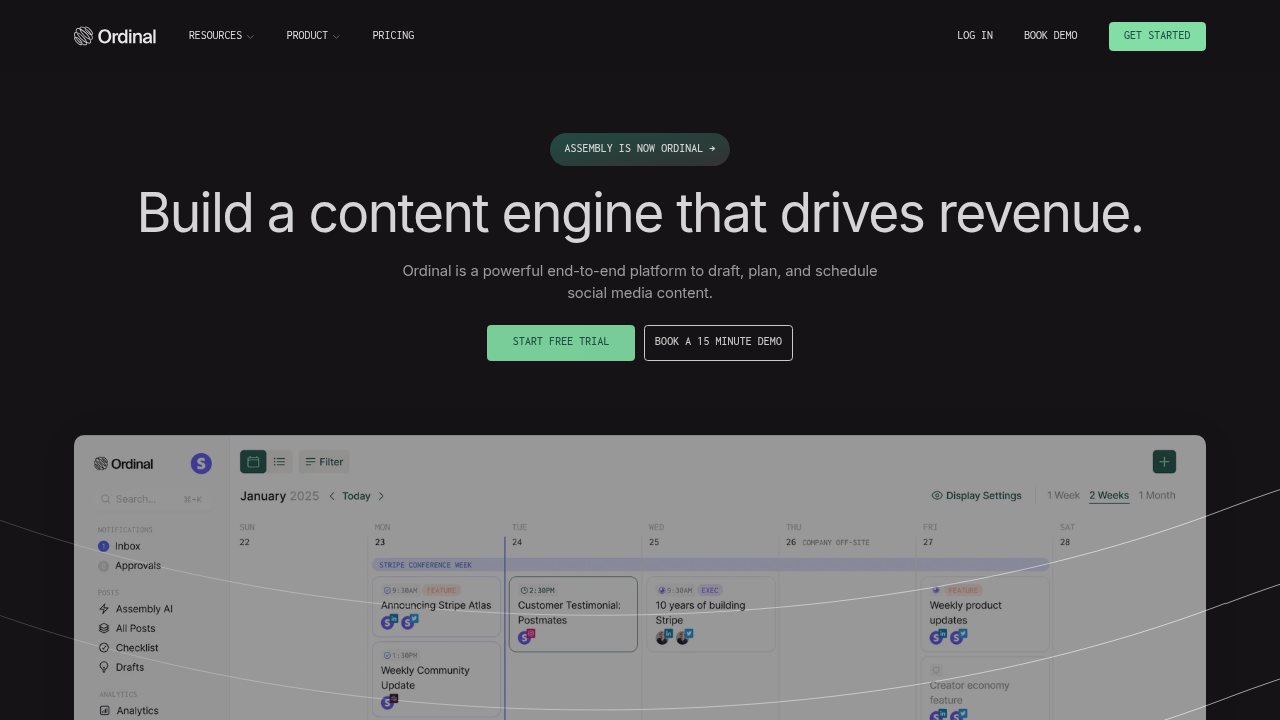
Our platform connects social engagement directly to your CRM, turning likes and comments into qualified leads your sales team can actually work. When you can track individual engagement, automate team coordination through Slack notifications, and route warm prospects straight into your pipeline, social stops being a top-of-funnel awareness play and starts driving conversions at every stage. Your funnel works better when you can see the whole picture.
FAQ
What is the difference between top, middle, and bottom of funnel marketing?
Top-of-funnel (TOFU) focuses on building awareness through educational content and reaching cold audiences who don't know your brand yet. Middle-of-funnel (MOFU) nurtures prospects who are evaluating solutions through case studies, email sequences, and product demos. Bottom-of-funnel (BOFU) converts ready-to-buy prospects through sales conversations, free trials, and ROI proof.
How long does it typically take for prospects to move through a B2B marketing funnel?
B2B funnels typically take weeks or months compared to B2C journeys that happen in minutes or days. Research shows 89% of B2B buyers conduct 12 searches before engaging with a specific brand's site, reflecting the extended evaluation period required for committee-based decisions and internal approvals.
What are the most important metrics to track at each funnel stage?
Track reach and engagement metrics (traffic, impressions, content downloads) at the top of your funnel. Monitor email open rates, click-through rates, and MQL-to-SQL conversion in the middle. Focus on conversion rate, customer acquisition cost, deal velocity, and win rate at the bottom to measure revenue impact.
How can social media content fit into my marketing funnel strategy?
Social content works across all funnel stages: thought leadership posts build top-of-funnel awareness, engagement through comments and shares nurtures middle-funnel prospects, and tracking individual interactions creates bottom-funnel sales opportunities. Knowing exactly who engaged with your posts lets you route warm leads to your CRM and personalize outreach.
Why do most marketing funnels fail to convert leads?
79% of leads never convert because they lack proper middle-funnel nurturing between initial awareness and purchase decision. Teams also over-invest in bottom-funnel tactics while neglecting consistent top-funnel awareness efforts, causing pipelines to dry up months later when the awareness pool runs empty.
Related Posts
Looking to learn more? The below posts may be helpful for you to learn more about social media and content marketing.