MCP explained: why B2B teams are switching to this

Full Transcript
Jeffrey: LinkedIn is the most underestimated platform out right now. Companies like Mercury, Clay, and Zapier are driving real revenue from it, and they all have one thing in common. They use Ordinal. And why should you trust me? Well, I'm a Harvard graduate, YC alumni, Forbes 30 under 30 founder, and I've spent the last few years obsessing over how creators and companies grow on LinkedIn.
In this video, I sit down to explain exactly what Ordinal is, how it works, and how people are using it to turn social media into a revenue channel. With that said, let's get into it.
Who Is Jeffrey Zhao and What Is Ordinal?
Nathan: Okay. Jeffrey, thank you so much for chatting today. Before we hop into anything, just let me know who you are, what you've done, and what you've built. Tell anyone who's listening about yourself and Ordinal.
Jeffrey: Yeah, of course. So, my name's Jeffrey. I'm one of the co-founders for Ordinal. For those who are familiar, Ordinal's an end-to-end social media management platform. We help teams, especially software and B2B teams, scale quickly in terms of social content and their following on socials.
We work with a bunch of folks from companies like Clay.com, Zapier, Mercury, Pylon, and a whole bunch of other ones. But our whole vision is how can we create social and turn social into a go-to-market motion that actually drives revenue for these companies. And so, yeah, excited to chat today.
Nathan: Yeah, Clay and Zapier, some of those no-name off-brands you're working with. So, that's neat.
Jeffrey: Yeah, feels great. Yeah, we're very lucky. Yeah.
What Is a Social Media MCP and Why Does It Matter for B2B Teams?
Nathan: Well, today it's not luck. Luck has nothing to do with it. I've seen the demo. And what I'm curious though is today we're specifically, rather than talking about just social media, we're talking about social media MCPs. Break it down to me like I'm five. What is that and why does it matter for B2B teams with a social strategy?
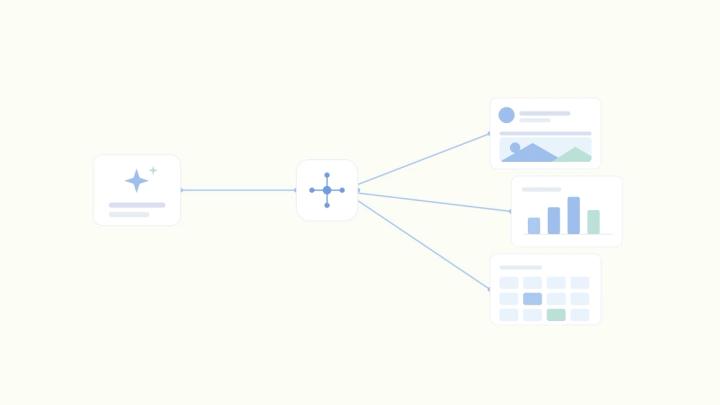
Jeffrey: Yeah, yeah. I think instead of giving the whole technical definition, we'll just talk about, I think, the simple way to understand MCPs and why it matters for social. So, an MCP stands for a model context protocol. I think it's just a fancy way of saying tools like Ordinal that expose an MCP server means that you can now connect those tools to your local AI clients, right? And assistants.
So, for example, for Ordinal, we expose an MCP server that has your LinkedIn post history and things that you've scheduled and allows you to do things in the Ordinal UI. And what's really magical is if you connect that MCP server to a tool like Claude or to Codex or Cursor or whatever you're using locally for your AI assistants, right? You can then start to almost chat with the Ordinal interface, right? The same way as if you were using it on the website.
And what this exposes is a bunch of really cool use cases. Everything from drafting a post, right? So, you can now draft a post inside of your native Claude, and it can reference Ordinal analytics and data and post history to figure out your tone of voice and your formatting and your style, all the way down to things like analytics, right? So, if you're wanting to ask about trends around top-performing LinkedIn posts or what's kind of done the best over the past few months, you can do all of this natively inside of your AI assistant.
That's kind of the high-level, I think, basic definition of an MCP for socials. But where we think this is really cool is because MCPs live on your local computer, and they're with your local AI agent, they're actually composable, right? So, then you can start to chain Ordinal with other tools, with other MCPs to feed it more context, and to really supercharge your kind of social process.
Why Wasn't This Possible Before MCP?
Nathan: And in the past, I mean, this really almost wasn't possible without setting up a bunch of different connections through APIs and just kind of build a little Frankenstack. Is that my understanding, that correct?
Jeffrey: Yeah, I think there's two things that have made this really powerful. One is obviously as AI models have gotten more powerful, right? There's a lot more utility that comes from being able to connect your tools to those AI models. And then the second thing is exactly, before this would require a lot of custom engineering work.
Let's say you wanted to be able to, from whatever third-party tool or local tool that you have, you wanted it able to schedule a post on Ordinal. Before you would have had to build a custom engineering solution and integration that connected to our scheduling endpoint, but now you can just tell Claude schedule this post out for 3:00 p.m. and it just does it for you and it figures it out.
Do B2B Teams Need an MCP Server or Is It Hype?
Nathan: Oh, that's incredible. Okay, so we'll break down a few things. If a team, let's say they already have a social media tool they need. So I could see someone asking, do I really need an MCP server or is it just something kind of flashy? I mean, is it just going to save me two or three minutes a day? What would your recommendation be? Is it something that's actually going to be a need over the next 6 to 12 months for B2B teams?
Jeffrey: Yeah, I think we're a little biased in that we're very bullish that the future of social content, like a lot of marketing content, is going to be this collaboration point between agents and humans, right? And it's no longer just going to be people manually writing every single post by hand, editing it, drafting it, and distributing it out. I think the process will look very similar, but it's undoubtedly true that we think AI will have some role in that, right? In helping to assist that process and accelerate things from a workflow perspective.
I think it's a valid question though because I do think there's different perspectives on this, right? So I do think if you're an individual person, right? You're right, maybe an MCP could be overkill, right? I could give you arguments on why it would still help, right? I think you can still do really powerful things with AI like analyze your own content, find trends that are working well, use it to label and bucket your content to kind of feed future content ideas.
You can use this to kind of draft, right? Kind of like we talked about. But what the really important insight for us is, and Ordinal is a teams product, right? It's built around teams and companies as a use case. As you start to scale out any kind of social motion, those frictions just scale linearly, right?
Let's say you're managing content for 10 different executives at a company. With the MCP, if you have a really big product launch that comes out, instead of having to go to each person, let's say Carl and Samantha and whoever they might be, and get approvals and try to understand their tone of voice and draft them a unique version for each of them. You can use the MCP, feed it the main talking points about the product launch and be like, "Hey, based on each of these people's post histories and their tone of voice and everything you know about them, create a different personalized version for their LinkedIns," right?
And the Ordinal MCP will just do this for you, right? It'll schedule it out and then obviously you can still bulk get approval from all of them. You can still have the human touch and process the editing. But we just think the efficiency gains are just undeniable.
Does an MCP Solve the AI Slop Problem?
Nathan: Yeah, and let's not pretend right now like most of those, like Carl and Samantha, aren't going to Claude or ChatGPT right now and just saying, "Write this for me." And there's no tone of voice, no look at their historic posts. It's, yeah, generic, which everyone's calling AI slop. This kind of solves that a bit.
Jeffrey: Right, right. Yeah, I think that in many ways, right? I think there's obviously an adverse reaction right now to a lot of AI content. And I think it's fair, because a lot of AI content is what I would call low value and very kind of slop-like, right? There's low depth in the thought that goes behind the content.
So it's just like, "Oh, I have this random cursory thought. Let me create a 400 word LinkedIn post about it and I'll use ChatGPT or Claude to generate it and I'll give it no revisions and I'll just put it out there."
But where we think the MCP is really useful is like, "Hey, to do social correctly, right? What you're probably actually doing is you're strategizing. You're thinking about what we should post. You're thinking about what accounts we want to distribute it from, from a distribution strategy. You're thinking about the post content and how can I reflect that user's specific tone of voice and what's worked well with audiences in the past that read that user's content, right?"
And it's like, "Hey, a lot of that is actually just data, right?" That the MCP can ingest and the AI assistant can ingest, because what works well for that user, how they speak, how they write, what their audience likes and doesn't like, what's performed well in the past. These are all things that can be fed at a scale that's honestly better than what humans could probably do, right?
The AI can ingest hundreds of posts and analytics. It has an infinite memory of essentially what works well and what doesn't, and it's able to basically personalize that. So, I think you actually get higher quality content output if you're using the AI correctly. Obviously it's not the case if you're just posting out the first version of something without the MCP, but with the MCP and with the social strategist that's really thinking about things strategically, that combination we think is super powerful.
Is This Just for LinkedIn?
Nathan: I agree, and I've always thought it was weird that people are like, AI can't do that like a human could, but then they're having human ghostwriters at like $7 an hour offshore who have no idea about the brand voice and turnover every month, and then they get somebody new who doesn't know anything. So, you're saying, but there's a consistency here that you can really get from that person's past posts that they've written, and I think that's the coolest thing. Is this just for LinkedIn?
Jeffrey: No, no, not at all. Yeah, sorry. So, I'm using LinkedIn as examples here, but yeah, we support posting to all major social channels, right? And so, you can scale this horizontally. If you're bigger on Twitter, if you post more on Instagram or whatever channels maybe make the most sense for you.
Can You Ask the MCP Questions About Your Analytics?
Nathan: And are you able to look at, when the Ordinal MCP is connected, are you able to ask questions about the data that you're seeing, like engagement rates and things like that, to start building better strategies next month?
Jeffrey: 100%. Yeah, and that's one of the beautiful things, right? I think any structured tool or website, they'll give you the standard charts and graphs, which we think are amazing. At Ordinal, we do the same as well, right? We'll give you all the charts, engagement charts, follower graphs, whatever you need to kind of make sure your social is performing.
But what AI is really good at is a lot of these free-form insights, and it's really powerful to be able to chat with an assistant about that data, to be able to ask it things like, hey, what are some trends that you see in the hooks I've written that have performed really well in the past month, right? Or, what kind of formats do you see performing really well for me? And, what are patterns that you're noticing on my writing style in the posts that are getting higher engagement rates with my audience?
And we can see these queries becoming even more complex, right? So, we have users that are asking things like, "Hey, segregate my content into top, middle, and bottom of funnel for me." And then for each of those categories of content, find interesting insights on how I should write to help plan my future content.
Nathan: That's like the dream that everyone wanted but nobody could do before AI, if we're being honest. It just wasn't possible.
Jeffrey: Yeah, and it sounds like magic, but truly it's just one chat away now. All you have to do is type it into the text box.
Are Customers Using the MCP Today?
Nathan: Now, I have to ask, is this something that's all done in theory or do you actually have customers using this right now who have built some cool things?
Jeffrey: We have a ton of customers using this. Yeah, I would say the MCP is one of our highest adoption features right now. It's honestly something where it really just feels like magic when you use it for the first time, and the possibilities are so endless.
I know we've talked a lot about how to chat with the MCP on today's call, but one of the really, really cool things you can do with the MCP is because you're using Claude or Codex or Cursor or something, a lot of teams will actually vibe code their own internal management systems on top of the MCP. So, we've seen folks that have vibe coded dashboards to manage their employee advocacy program on top of the Ordinal data. And they create leaderboards about the top advocates, and it's really gamified, and it's in the company's brand, and all of these kind of cool bells and whistles.
We've seen folks create monthly reports that, again, are styled in the company's colors. They maybe take a lot of the Ordinal data that we have, but present it in ways that are more relevant for their monthly report and stakeholders, right? And so, you can actually build a lot of this stuff. We actually have an MCP showcase as well on the website that highlights some of these dashboards. And so, yeah, we think the possibilities are really endless.
How Are Teams Building Employee Advocacy Leaderboards on the MCP?
Nathan: Okay, and I want to talk about that customer advocacy and the gamified dashboard, because you don't have to mention the name, if you can't, of the company that built that. But I think that's the neatest thing, because what a lot of teams are doing right now is they have a Slack channel and they'll post something and say everybody go engage with that, and then one or two people who are trying to get a raise that quarter go and actually do it. But you have teams that are building, actually tracking who's posting and about what and making it into a competition, turning it into kind of a game sort of a thing.
Jeffrey: Yeah, I think two things here. Well, one is obviously, separate from the MCP, at Ordinal we can help you out with automating Slack pings, automating a lot of the comments and engagements that you get on posts. So we have teams using the MCP to do that as well, but I think to your point, yes, there's a few companies that I can think of that have vibe coded kind of employee advocacy dashboards. And so we do run employee advocacy here at Ordinal as well.
And then what they've done is they've basically created these internal leaderboards that are really fun and they're kind of like, oh, Joe has earned 350 points this quarter and here's his most viral post and all this stuff. But yeah, you can truly just customize it to whatever works the best for you.
Why Did Ordinal Keep Its MCP Open?
Nathan: Okay, now I've got a tough question for you as the founder, because a lot of SaaS companies, at least in the social media world, one metric that they like to see is how much time people spend within their app. And what you've kind of done is you're allowing all that information to be open and done from their Claude instance, correct?
Jeffrey: Yes, that's correct. Yes, so you can use all of Ordinal through Claude if you wanted to.
Nathan: And I guess, was there any conversation around, we want to keep this closed like a lot of other social scheduling tools, or was it just like, this is going to help the user? Let's just make it possible for them.
Jeffrey: Yeah, I think that our true North Star metric is not the number of hours you log on Ordinal, but it's whether or not we can help you succeed on socials, right? And so I think that while in maybe the previous era of software, time spent on an app was a great leading indicator of success oftentimes, I think it's more correlated than causal, right? And if a team is absolutely crushing it by using the Ordinal MCP, then we welcome that behavior, basically. We think that's amazing.
And it sort of plays into our thesis, right? We do think software is fundamentally shifting a lot and that there is a future and a place for AI agents in social content as well. And whether you're really sophisticated and you have an autonomous agent that's running everything through Ordinal's API and MCP and pushing up content just for a human review at the very end, or you're lower on the spectrum, which is totally fine, and you maybe are just chatting with MCP about analytics, but all the distribution is still happening on Ordinal and all the collaboration and comments and approvals, right? We want to support that spectrum, right?
And really our belief is that Ordinal should be the most open and composable tool for humans and AI agents to meet. And help you succeed on socials, right? As the end goal. And so, yeah, that's I guess how we kind of think about that question, is it's less about trying to optimize this SaaS vanity metric around, oh, all our customers are spending X hours a day on the platform, versus how can we build the best possible agent and user experience for getting content out on socials and helping companies succeed on those channels.
Nathan: Oh, that's really cool. I love that. I love that a lot, because you're right, it is a vanity metric at the end of the day. And I like that your North Star is how do we help customers do their best on social media, across all social media. I think that's the neatest thing.
Jeffrey: Yeah, exactly.
Where Is This Going in the Next 12 Months?
Nathan: Okay, and so I'm just curious, if you had a crystal ball, where do you see this going in 12 months from now? Does it just get better and better the more that you post, the more you interact, the more it learns, the more data it does? Is it totally dependent on how the human uses it, or is there any out-of-the-box benefits people can get? Where is all of this going as it's getting better at learning your brand across these social media platforms?
Jeffrey: Yeah, I mean, I think your first point is an important one, right? Which is almost like the more you use it, the better it gets, right? The more you're posting on platforms, on different channels, the more data that you're getting back about what's working and what's not, the better the AI is going to be able to suggest things for you, be able to create new posts, all of that stuff.
So, I think that's 100% maybe the core learning that we think is important for users to take away, is like, "Hey, just start posting, right?" I think it's really important to basically start to feed in some of the data about what works and what doesn't.
In terms of how we see things evolving, I think there's a lot of things that we're excited about, right? We have a bunch of features that are kind of helping the product has a lot of the really cool parts of the MCP natively into the UI as well. So, you just make those a lot easier and kind of one click away.
I think the other part that we're excited about is also just an education aspect of things. As part of the reason why we put up the MCP showcase is there's honestly so many infinite ways to use the MCP. Sometimes you just don't know what you don't know, right? And part of the equation is just like, "Hey, what is something I should actually just type into the chat box?" Or what are common questions people ask that help with the content?
So, we're really excited about a lot of that stuff and just helping people make the most out of the tool.
What Should a New User Ask the MCP First?
Nathan: All right, and that leads me to my last question. It's a bit more tactical. Let's say I've just hooked up, and say on LinkedIn, I'm a small B2B team. What is the first thing that I should ask about my LinkedIn posting to get the most out of that quick session? Let's say I have 5, 10 minutes. What should I prompt it first?
Jeffrey: Oh, that's a great question. If you have any existing content, I would ask for a content audit. AI is surprisingly good at this. You can ask it to categorize your content, to analyze trends, find interesting performance insights across your team. I would obviously get everyone on your team's accounts hooked up into Ordinal so it has as much data as possible.
But that's probably the first thing I would ask. If you have no content, you can actually have the AI help you create initial content calendar and push that up into Ordinal as well, right? So, what I would do is ask the AI to almost lead you through a questionnaire, right?
Like, "Hey, give it some context. I'm a B2B SaaS company that's in this industry that's doing these things, right? Here's my goals on social. Help me create initial content calendar." And then basically just walk it through and answer its questions and have it push out the initial week of content.
What Has Ordinal Learned From Using Its Own MCP?
Nathan: That's fantastic. Have you been surprised at anything you've learned using the MCP? I assume you use your own MCP to drive your own campaign. Have you been surprised at any insights you've gotten back from your posting?
Jeffrey: We did. Yeah, yeah. One thing that's interesting is we found that meme content seems to perform pretty well, especially for my co-founder's profile.
Nathan: Right in that data.
Jeffrey: I think there's always some interesting insights around specific post formatting, things like that that you can't get from normal analytics that we always find exciting. A good example is we found that when we bold our hooks, we see a pretty big spike in engagement rate on those posts on LinkedIn. And so little tactics like that, it's interesting to see the validation for.
What Is Ordinal and Do You Need to Be Technical to Use It?
Nathan: That's great. Okay, that is coming up on our time. What I would love to hear though is your 60-second elevator pitch for Ordinal. What is Ordinal? Obviously you shared a little bit about it at the start, but quick elevator pitch. And then, do I need to be technical to use it, is a follow-up question. And finally, where can people find you and book a demo of this?
Jeffrey: Yeah, you don't need to be technical to use Ordinal at all. It's just a website. You can just sign up. And the MCP as well, it's just one click. I promise it takes 5 minutes or less to get it set up with your local AI assistants.
So you can hook that up to Claude or Codex or Cursor with just one button. We have a whole docs page around it.
Yeah, the 60-second pitch for Ordinal. Ordinal is an end-to-end social media management platform, right? Our goal is to help teams actually drive revenue from socials. We work across every major social channel, so LinkedIn, X, Instagram, Facebook, Threads, TikTok, YouTube Shorts, Slack and Discord communities, etc. You name it, we probably do it.
And really the high level is we just believe that to really succeed on social, you have to be sophisticated these days. And there's a lot of things that come down to coordinating content between teams cross-functionally, to scheduling it out at optimal times, to having the right profiles post the right types of content, so being able to schedule for founders, for other execs, for employees, for the company page.
And Ordinal is the place where all of that comes together, right? It's a single place where teams can basically scale up and succeed in terms of building out great social systems.
Nathan: That was fantastic. Okay, Jeffrey, thank you so much. I really appreciate all of it. Thank you so much.
Jeffrey: Awesome. Yes, thanks for chatting, Nathan. And then yes, you can find us at tryordinal.com. I realized I forgot that last part.
Nathan: The important bit. Yeah.
Jeffrey: That's the website, yeah. Tryordinal.com, yeah.
Chapters
- 0:00Intro
- 0:28What is an MCP (Model Context Protocol)? Simple Breakdown
- 1:55How Ordinal's MCP Works With Claude, Codex & Cursor
- 2:17Real Use Cases: Drafting Posts, Analytics & Content Insights
- 2:39The Power of Composability: Chaining MCPs Together
- 3:29Do B2B Teams Actually Need an MCP or Is It Just Hype?
- 4:06Why MCP Matters A Lot
- 5:12The Multi-Executive Use Case: Personalizing Content at Scale
- 6:27Solving the "AI Slop" Problem With Context-Aware Content
- 7:00How AI Ingests Post History to Match Tone of Voice
- 7:43Does Ordinal Work Beyond LinkedIn? All Major Channels Covered
- 8:34Chatting With Your Analytics: Trends, Hooks & Engagement Insights
- 9:27Advanced Queries: Segmenting Content by Funnel Stage
- 10:09Customer Adoption & Real-World MCP Use Cases
- 10:35Vibe Coding Custom Dashboards
- 11:10Employee Advocacy: Gamified Leaderboards Built With MCP
- 12:34Why Ordinal Chose to Keep Their MCP Open (Not Walled Off)
- 13:24Future of Social Media Software: Agents + Humans
- 14:50The 12-Month Vision
- 16:24Quick Start: The First Thing to Ask the MCP as a New User
- 17:41Surprising Insights From Using Ordinal's Own MCP
- 18:31Elevator Pitch: What Is Ordinal in 60 Seconds?
- 19:57Where to Find Ordinal: TryOrdinal.com
Key Takeaways
- AI slop is (usually) a context problem: a cursory thought turned into a 400-word post with no revisions has very little thinking behind it.
- Tone of voice, audience preferences, and past performance are data. An AI assistant can ingest hundreds of posts and their analytics through an MCP, at a scale that's probably beyond what a human could do.
- An MCP could be overkill for an individual. On a team, the frictions of social content scale linearly with every executive you write for.
- AI is at its best on free-form analytics questions, such as trends in your hooks, the formats that perform, and content sorted by funnel stage.
- Start with a content audit and keep posting, because the more data that comes back, the better the suggestions get.
There's an adverse reaction right now to a lot of AI content, and I think it's fair. I'd call a lot of it low value: someone has a random cursory thought, asks ChatGPT or Claude to turn it into a 400-word LinkedIn post, gives it no revisions, and puts it out there.
There's very little depth in the thought behind a post like that. Here's my position: slop is what you get when the AI has no context, and once it can read your post history and your analytics through an MCP, with a strategist still making the calls, you get higher quality content out of it.
What Is a Social Media MCP?
MCP stands for model context protocol, which is a fancy way of saying that a tool exposes a server you can connect to your local AI clients and assistants. For a social media tool, that server has your post history and the things you've scheduled, and it lets you do what you'd do in the tool's own interface. Connect it to Claude, Codex, Cursor, or whatever you use locally, and you can chat with the tool the same way you'd use it on the website.
That opens up a lot of uses. You can draft a post inside Claude and have it reference your analytics and post history to work out your tone of voice, your formatting, and your style.
Before MCP, this took custom engineering work: if you wanted another tool to schedule a post, you had to build an integration that connected to a scheduling endpoint. Now you can tell Claude to schedule a post for 3:00 p.m. and it figures it out.
Because MCPs live on your local computer, with your local AI agent, they're also composable. You can chain your social tool with other tools and other MCPs to feed it more context. Our guide to what a social media MCP is covers the basics in more detail.
Why Does So Much AI Content Read Like Slop?
To do social correctly, what you're (usually) doing is strategizing. You're thinking about what to post, which accounts to distribute it from, how to reflect one person's specific tone of voice, and what has worked well in the past with the audience that reads that person's content.
A lot of those inputs are just data. How someone speaks, how they write, what their audience likes and doesn't like, and what's performed well before are all things an AI assistant can ingest through an MCP, at a scale that's honestly better than what a human could probably do. It can take in hundreds of posts and their analytics, and it has an essentially infinite memory of what works and what doesn't.
"I think you actually get higher quality content output if you're using the AI correctly."
That stops being true when you post the first version of something with no context behind it. The combination I think is powerful is the MCP plus a social strategist who's thinking about the content strategically.
Do You Need an MCP if You Already Have a Social Media Tool?
If you're an individual, an MCP could be overkill. I'd still argue it helps, because you can analyze your own content, find the trends that are working, label and bucket your posts to feed future ideas, and draft with it.
The more important case is a team. Say you manage content for 10 executives and a really big product launch comes out. By hand, you go to each person, try to understand their tone of voice, draft a unique version for each of them, and get approvals.
"As you start to scale out any kind of social motion, those frictions just scale linearly."
With an MCP, you feed in the main talking points about the launch and ask for a different, personalized version for each person's LinkedIn, based on their post history, their tone of voice, and everything the assistant knows about them. It can schedule those posts too.
You can still get approval from all of them in bulk, and you still have the human touch in the editing. But I think the efficiency gains are undeniable, and I'm bullish that the future of social content is a collaboration point between agents and humans.
What Should You Ask an AI Assistant About Your Social Analytics?
Any structured tool will give you the standard charts and graphs, and those are great. What AI is really good at is free-form insight, so these are the kinds of questions I'd ask an assistant about that data:
- What trends do you see in the hooks I've written that performed really well in the past month?
- What kinds of formats do you see performing really well for me?
- What patterns are you noticing in my writing style in the posts that get higher engagement rates with my audience?
- Segregate my content into top, middle, and bottom of funnel, then find insights for each category to help plan my future content.
We run this on our own content, and it turns up formatting insights we can't get from normal analytics. Meme content seems to perform pretty well, especially on my co-founder's profile. When we bold our hooks, we see a pretty big spike in engagement rate on those LinkedIn posts.
What Are Teams Building on Top of an MCP?
Chat is only part of it. Because you're working in Claude, Codex, or Cursor, a lot of teams vibe code their own internal management systems on top of the MCP.
We've seen teams build dashboards to manage their employee advocacy programs, with leaderboards of the top advocates that are gamified and styled in the company's brand. We've also seen monthly reports styled in the company's colors, which present the data in ways that are more relevant to that team's stakeholders.
Why We Kept Ordinal Open to AI Agents
In the previous era of software, time spent in an app was often a great leading indicator of success. I think it's more correlated than causal, so if a team is crushing it by using the Ordinal MCP from inside Claude, we welcome that behavior.
"Our true North Star metric is not the number of hours you log on Ordinal, but it's whether or not we can help you succeed on socials."
You can use all of Ordinal through Claude if you want to. The MCP is one of our highest adoption features right now, and we want to support the whole spectrum of how teams use it. At one end, an autonomous agent runs everything through our API and MCP and pushes content up for a human review at the very end. At the other, you chat with the MCP about analytics while the distribution, collaboration, comments, and approvals still happen in Ordinal.
Our belief is that Ordinal should be the most open and composable tool for humans and AI agents to meet. You don't need to be technical to use it: connecting the MCP to Claude, Codex, or Cursor is one click, it takes five minutes or less, and we have a docs page that covers it. We support posting to all major social channels, so none of this is limited to LinkedIn.
Final Thoughts
If you have existing content, connect everyone on your team's accounts so the assistant has as much data as possible, then ask it for a content audit: have it categorize your content, analyze trends, and find performance insights across the team. If you have no content yet, tell the AI what your company does, your industry, and your goals on social, have it lead you through a questionnaire, and let it build an initial content calendar and push out the first week of posts. Then start posting, because the data from those posts is what makes the next round better.
Frequently Asked Questions
What Is a Social Media MCP?
MCP stands for model context protocol. It's a fancy way of saying a social media tool exposes a server that you can connect to a local AI assistant such as Claude, Codex, or Cursor. Once it's connected, you can chat with the tool the same way you'd use it on the website, from drafting posts to asking about your analytics.
Do I Need an MCP if I Already Use a Social Media Management Tool?
If you're an individual, it could be overkill, though I think it still helps with analyzing your content and drafting. On a team it matters much more, because the frictions scale linearly as the social motion grows. Writing a product launch post for 10 executives, each in their own voice, is where I see the biggest efficiency gains.
How Do You Stop AI Social Media Posts From Sounding Generic?
Give the AI context and keep a strategist involved. Low-value AI content comes from a cursory thought that's generated once and posted with no revisions. When the assistant can ingest a person's post history and analytics through an MCP, I think you get higher quality output.
Can AI Write LinkedIn Posts in an Executive's Tone of Voice?
Yes, if it can read that person's post history. How they speak, how they write, and what their audience likes are all data an assistant can ingest through an MCP. You can still get approval from each executive and keep the human touch in the editing.
What Should I Ask an AI Assistant First About My LinkedIn Content?
I'd ask for a content audit. Have it categorize your content, analyze trends, and find performance insights across your team, with everyone's accounts connected so it has as much data as possible. If you have no content yet, have the AI lead you through a questionnaire and build an initial content calendar.
Do You Need to Be Technical to Set Up an MCP?
No. Ours connects to Claude, Codex, or Cursor with one button, and it takes five minutes or less to set up. We also have a docs page that covers it.