For B2B SaaS founders, LinkedIn is where pipeline gets built. But is a LinkedIn agency worth the retainer, or are you paying for drafts that never go live? The clearest answer we've found comes from an agency that doesn't touch LinkedIn at all.
Orbit Marketing writes email newsletters. Nothing else, not even social. We've written about the Phoenix agency before because it sells its 100% U.S.-based writing team as a feature. Its B2B SaaS clients know exactly what they're buying: one deliverable, owned from first draft to the moment it lands in an inbox.
That narrowness is the appeal. The content agencies worth a retainer pick one channel and own the whole chain, including the unglamorous last mile. LinkedIn marketing services tend to do the reverse.
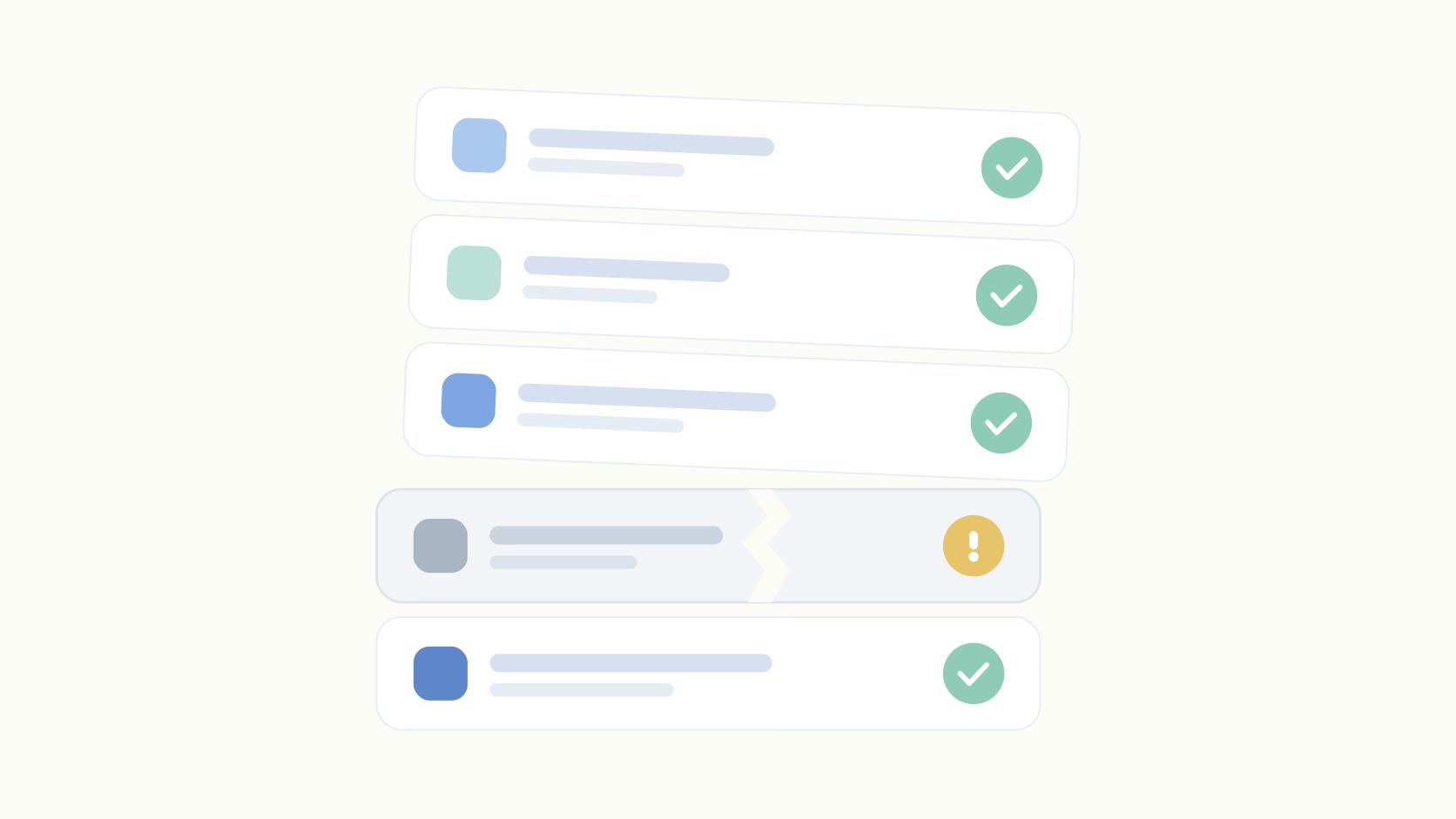
They sell strategy, ad management, and copywriting, then skip the step where founder posts die: the handoff between a finished draft and a live post people see and engage with.
TL;DR:
- The writing was rarely the broken part. Founder posts fail between draft and publish.
- Before you sign, ask four questions. How do you capture my voice once? How long will sign-off take me? Who tags people and posts carousels from my profile without my password? Who engages in the first hour?
- Retainer price says nothing about how well an agency handles those four steps.
- If an agency can't answer them clearly, keep posting yourself for now.
What LinkedIn Marketing Services Include (and the Step They Skip)
LinkedIn marketing services are agency or freelance retainers that plan, write, publish, and promote content on a company's LinkedIn presence, typically covering company page posts, founder ghostwriting, and paid LinkedIn ads.
Providers range from full-service digital agencies to boutique ghostwriting shops and ads-only specialists.
The spend is easy to justify. LinkedIn accounts for roughly 80% of all B2B social media leads (SHNO, 2026). LinkedIn Ads now take 39% of the average B2B advertising budget, up from 31% in the first half of 2024 (Foundation Inc., 2026).
In other words, whether to invest in LinkedIn is settled. How the service is set up is the open question.
A typical scope document lists posts per month, a strategy call, and an analytics report. It won't say who gets the founder's approval. It won't say who tags the customer mentioned in paragraph two, or who comments in the first 60 minutes. Those gaps are where we see founder programs stall, usually within a quarter.
The failure looks the same almost every time. A draft lands in a Google Doc on Monday with a Slack ping. The founder opens it at 11 p.m. Thursday, rewrites half of it, and sends it back. It goes out the following Tuesday with nobody tagged, while the team sits in meetings. It collects a handful of reactions and disappears.
The agency still bills for four posts.
Voice Gets Captured Once or Relitigated Forever
"It doesn't sound like me" ends more ghostwriting arrangements than any other complaint. Founders tend to blame the writer. We think that's the wrong diagnosis.
A writer without a reference document guesses your voice from scratch on every draft. Each round of edits becomes a fresh negotiation about tone. A better writer won't close a process gap.
The fix is a voice brief, built once, from your own material. A good agency pulls your last 30 to 50 posts and a couple of podcast transcripts, then writes down what it finds:
- Do you open with a claim or a story?
- Which words do you never use, and which topics are off-limits?
- Where do you disagree with consensus in your category?
That document protects what B2B buyers respond to. 94% of B2B marketers agree that building trust is the most important factor in B2B brand success (LinkedIn/Ipsos research). A founder post that reads like a template spends that trust.
You could edit the first few drafts until they get it right. The editing quietly becomes the job. Three months later you're back to the Slack micromanagement that killed the in-house attempt.
If you're still weighing a ghostwriter or in-house setup, this applies to both. Ask any agency to show you a voice brief built for an existing client (names redacted). If they don't have one, they'll learn your voice on your dime.
Sign-Off Should Take Two Minutes
Founder approval should take about two minutes per post. Open one link, see the post exactly as it'll appear on LinkedIn, comment on the sentence you'd change, approve. Anything that needs a Slack thread, a Google Doc, and a follow-up ping will eventually stall, because the founder's attention is the scarcest resource in the program.
The Slack version goes like this. The agency pastes a draft into a DM and the formatting breaks. You reply "can we make this punchier?" from your phone between calls. Version two arrives, then version three, and by Friday nobody knows which is final. Then someone publishes version two.
The two-minute version is boring by comparison. That's the point.
- One review link shows a realistic preview, including where LinkedIn's "see more" cutoff lands - a hook truncated after eight words is a different post
- Comments sit inline on the exact line
- Version history shows what changed, so you never reread the whole thing
- A single blocking approval means nothing publishes until you've clicked approve
We've watched founders clear a week of posts in ten minutes on a Friday once the queue lives in one place instead of six DMs. So ask: "Show me exactly what I'll click to approve a post." If the answer involves forwarding a Google Doc, you're looking at the same broken setup with a bigger invoice.
Who Tags People and Posts Carousels From Your Profile?
Agencies least like answering this one. Ask it early.
Plenty of social schedulers can tag company pages but not personal LinkedIn profiles. That leaves an agency with three bad options:
- Ask for your password, handing a contractor your DMs and connections
- Publish with nobody tagged, stripping out the customer, co-founder, or investor whose network would have carried the post
- Send the finished post back for you to publish manually, which puts you right back in the workflow you were paying to escape
PDF carousels hit the same wall. They're one of the strongest formats for explaining a framework or a hiring lesson, and many tools either don't support them on personal profiles or flatten them into images.
Tags and carousels sound minor, but they decide whether a founder personal brand travels or stays stuck inside first-degree connections.
Ask it this way: "How do you publish a post from my profile that tags a person and includes a PDF, and do you need my login?" A good answer names the tool and confirms the account connects through LinkedIn's authorization flow. Nobody types your password.
The First Hour Decides Reach
A well-written post with no early engagement is wasted writing.
LinkedIn shows a new post to a small slice of your network first. It widens distribution based on how that slice responds, usually within the first hour or so. Your team's reactions in that window do more for reach than another round of copy edits.
Without a plan, the founder posts at 9 a.m. Someone drops "new post from Sam, go engage" in #general. Four people react around lunch. That works for about two weeks before the pings become background noise.
We cover timing in our piece on first-hour engagement, but the agency question is narrower. Who engages, from whose accounts, and what triggers it?
"We'll remind your team" is a weak answer. A strong one is a named list of teammates whose likes and comments are scheduled at staggered times after publish, plus a process for flagging substantive comments so the founder replies while the post is still climbing.
Questions to Ask a LinkedIn Agency Before You Sign
Run every agency through the same five questions on the sales call. Here's each handoff step, where it breaks, and what a good answer sounds like:
Pricing tracks writer seniority and post volume. Use our breakdown of agency retainer costs for budgeting - and ignore it as a quality signal. On reporting, push past impressions toward something your board would recognize as value.
42% of marketers used LinkedIn in their marketing strategy in 2025, an 11-percentage-point jump from 2024 (HubSpot, 2026). And 97% of B2B marketers already use LinkedIn to distribute content (SHNO, 2026). An inconsistent founder feed is losing ground.
Still, we'd rather you hire nobody than an agency that fails the table. If no provider gives good answers on approval and engagement, keep writing your own posts for another quarter. Set up the workflow yourself, then revisit. An agency plugged into a working handoff is worth far more than one handed the broken one.
How Ordinal Handles the Handoff
We built Ordinal for LinkedIn around the steps in that table. They're where we watched founder programs fall apart.
- Agencies and in-house teams post on behalf of any connected profile without sharing passwords
- Drafts get public share links, inline comments, version history with diffs, and blocking approvals that notify the founder in Slack
- Previews show the exact "see more" cutoff
- Personal profile tagging works natively (including dropping last names so a tag reads naturally), and PDF carousels, polls, and quote reposts schedule from the same calendar
For the first hour, auto-engagement leaves likes, comments, and reposts from teammates' accounts at randomized times after publish. AI drafting pulls from each person's posting history, giving the voice brief a head start. And earned media value puts a dollar figure on organic reach, based on what the same impressions would have cost in LinkedIn ads.
Final Thoughts
On your next agency call, skip the case study deck. Ask them to take one real post from draft to scheduled while you watch, approval, a personal tag, and the first-hour engagement plan included.
Fifteen minutes of that tells you more than any proposal. If they can't do it live, they won't do it reliably every week.
Frequently Asked Questions
What Is LinkedIn Marketing Strategy?
A LinkedIn marketing strategy is a plan for who posts, how often, and what content drives goals like pipeline or brand awareness. For B2B SaaS, it usually centers on founder and employee posts, with voice capture, approvals, and engagement defined up front.
What Is Lead Generation?
Lead generation is attracting and capturing interest from potential customers before they're ready to buy. On LinkedIn, posts generate leads by starting conversations, driving profile visits, and prompting DMs from people who already trust the poster.
What Is the Cheapest Way to Promote Your Business?
Organic LinkedIn posting is the cheapest way to promote a B2B business. It needs no ad spend and uses networks you already have. The cost is time, someone has to write, approve, and publish consistently.
How Much Do LinkedIn Marketing Services Cost?
LinkedIn marketing services vary widely in cost depending on post volume, writer seniority, and whether strategy, design, and engagement are included. Price tells you nothing about whether the agency handles approvals and personal tagging, which decide if posts go out on time.
Are LinkedIn Marketing Agencies Worth It for Startups?
LinkedIn marketing agencies are worth it for startups when the founder can't write consistently and the agency owns the full handoff. They're a poor fit if they deliver Google Docs and leave approval, tagging, and engagement to your team.
Can an Agency Post on My Personal LinkedIn Without My Password?
Yes. Legitimate agencies connect your profile through LinkedIn's official authorization via a scheduling tool. If an agency asks for your login to post or tag people, treat it as a red flag and press on it during the sales call.
How Do I Know If LinkedIn Marketing Is Driving Pipeline?
LinkedIn marketing is driving pipeline when you can tie specific posts to profile visits, inbound messages, or booked meetings. Ask any agency for reporting by content type plus earned media value, and expect them to explain how a post led to a conversation.
Related Posts
Looking to learn more? The below posts may be helpful for you to learn more about social media and content marketing.