

We run a vetted content agencies directory. Over twenty agencies and freelancers have opted into it by filling out a two-minute matching form.
Sit with that for a second.
Firms that build pipeline for a living are handing the job of finding their own clients to a third party with a form. That instinct is the whole problem in miniature.
This breakdown covers where leads for marketing agencies come from, what each channel costs, how to tell a qualified lead from a proposal that eats six hours, and why the fix is running your own agency as client zero.
TLDR:
- 63% of agencies get five or fewer inbound leads a month, and 67% run primarily on referrals. Referral concentration is the cause of the thin pipeline, not compensation for it.
- Median B2B cost per lead is $213, with organic content at $98 and account-based marketing at $487.
- LinkedIn drives roughly 80% of B2B social leads, and personal profiles outperform the agency page.
- Score leads on budget, decision-maker access, timeline, and niche fit. Below 8 of 12, no proposal.
- Niching down cuts cost per lead on every channel at once, which makes it a pricing decision more than a branding one.
Why Agency Pipelines Run Thin
Referral dependence gets filed under "we do great work." It belongs under "we have no forecast."
Between 66% and 74% of agencies name client referrals as their top new-business source, with partner referrals adding another 15% (agency referral statistics, 2026). Which means the median agency's growth ceiling is set by how many happy clients happen to talk about them this quarter.
Referrals are an output (not a channel). You can't turn them up in March because January was quiet. You can't model them, and they arrive carrying the last client's price expectations.
They're also structurally correlated with churn. Lose a retainer and you lose the client, the case study, and a referral source in the same week.
And we know what you're thinking, "Referrals close faster, cost almost nothing, and convert better than anything else you run." All true.
But a channel you can't turn up is a channel that decides your revenue for you.
The second failure mode is scheduling. Agencies market themselves in the gaps between client work, so their own output collapses exactly when a retainer ends and pipeline matters most.
That's a ninety-day lag arriving at the worst possible moment.
Cost Per Lead by Channel for Agencies
Median B2B cost per lead reached $213 in early 2026, with organic content and SEO at a $98 median and account-based marketing at $487 (cost per lead data, Digital Applied, 2026). That's a wide spread between the cheapest and most expensive channel in the same market.
But the spread makes sense once you separate speed from price.
Organic is cheap per lead and slow to start, so it's the wrong answer when your bench clears in six weeks. ABM is expensive and precise, so it's the right answer when you know the twelve companies you want and can afford to buy your way in front of them.
Timing figures below reflect what we see agencies report rather than sourced benchmark data.
The catch is that cost per lead means nothing on its own. A pricier lead that closes a large, high-value retainer is cheap in hindsight. A cheap lead that only closes a small one-off project may not be worth the proposal hours.
Here's a worked example (illustrative figures):
An agency puts $6,000 into organic content over a quarter and generates 61 leads, so a $98 CPL. If 8% close and the average retainer is $5,000 a month with a nine-month life, that's five clients and $225,000 in booked revenue against $6,000 in acquisition cost.
What Makes an Agency Lead Qualified
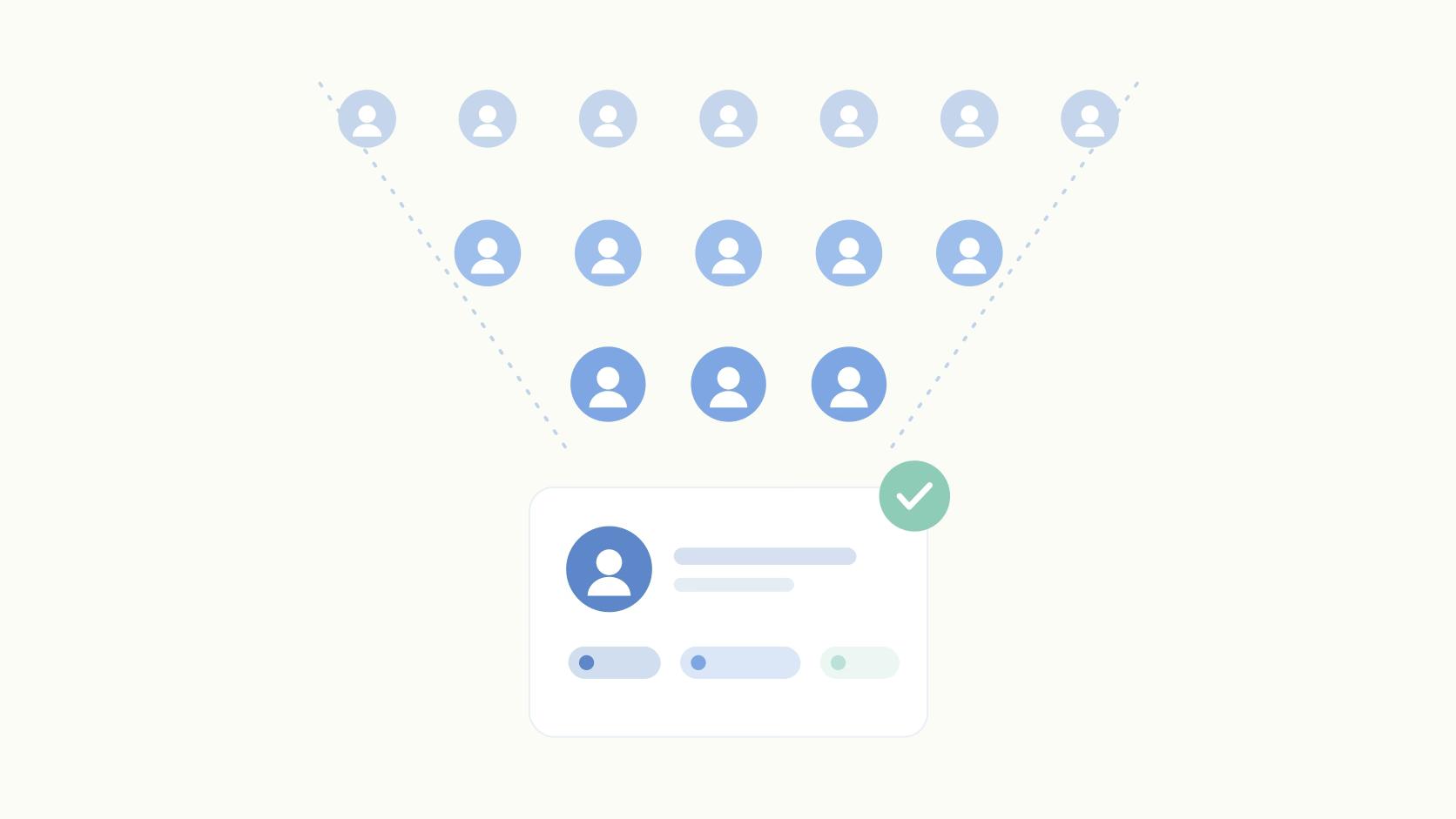
A qualified agency lead has budget at or above your retainer floor, a named decision-maker in the conversation, a defined start window, and a problem that sits inside your service line. Miss any one of those and the lead sits below qualified, regardless of how enthusiastic the first call felt.
Agency qualification differs from product qualification because you're selling an ongoing relationship, not a transaction.
So fit outranks intent.
A high-intent bad-fit lead costs more than no lead. It burns proposal hours, and sometimes it wins, which puts you nine months into servicing an account you shouldn't have taken.
- Eight or more of twelve goes to proposal
- Five to seven goes to nurture
- Below five gets a polite decline.
Imagine this: a prospect scores 3 on budget, 3 on authority because the founder joined the call, 1 on timeline since they're exploring with no start date, and 2 on niche fit as an adjacent industry. That's 9 of 12, so it goes to proposal. A 5 of 12 gets a useful resource and a ninety-day calendar reminder, and it never enters the forecast.
Building a LinkedIn-First Lead Engine: Your Agency as Client Zero
LinkedIn drives roughly 80% of B2B social media leads (LinkedIn lead generation, Martal, 2026). Which makes it the one channel where an agency already has the labour, the skill, and the workflow in place and simply isn't pointing them inward.
You publish hundreds of posts a month under other people's names. Run the same machine for yourself.
- Pick the profiles, and don't pick the agency page: The founder plus two or three account leads, personal profiles only. Buyers hire people, and your company page will get a fraction of the distribution those four accounts get combined.
- Build content from the client work you already did: Teardowns, before-and-after numbers, the reasoning behind a campaign decision you'd normally only explain on a QBR call. Agency expertise is the product, so show the working instead of describing the outcome.
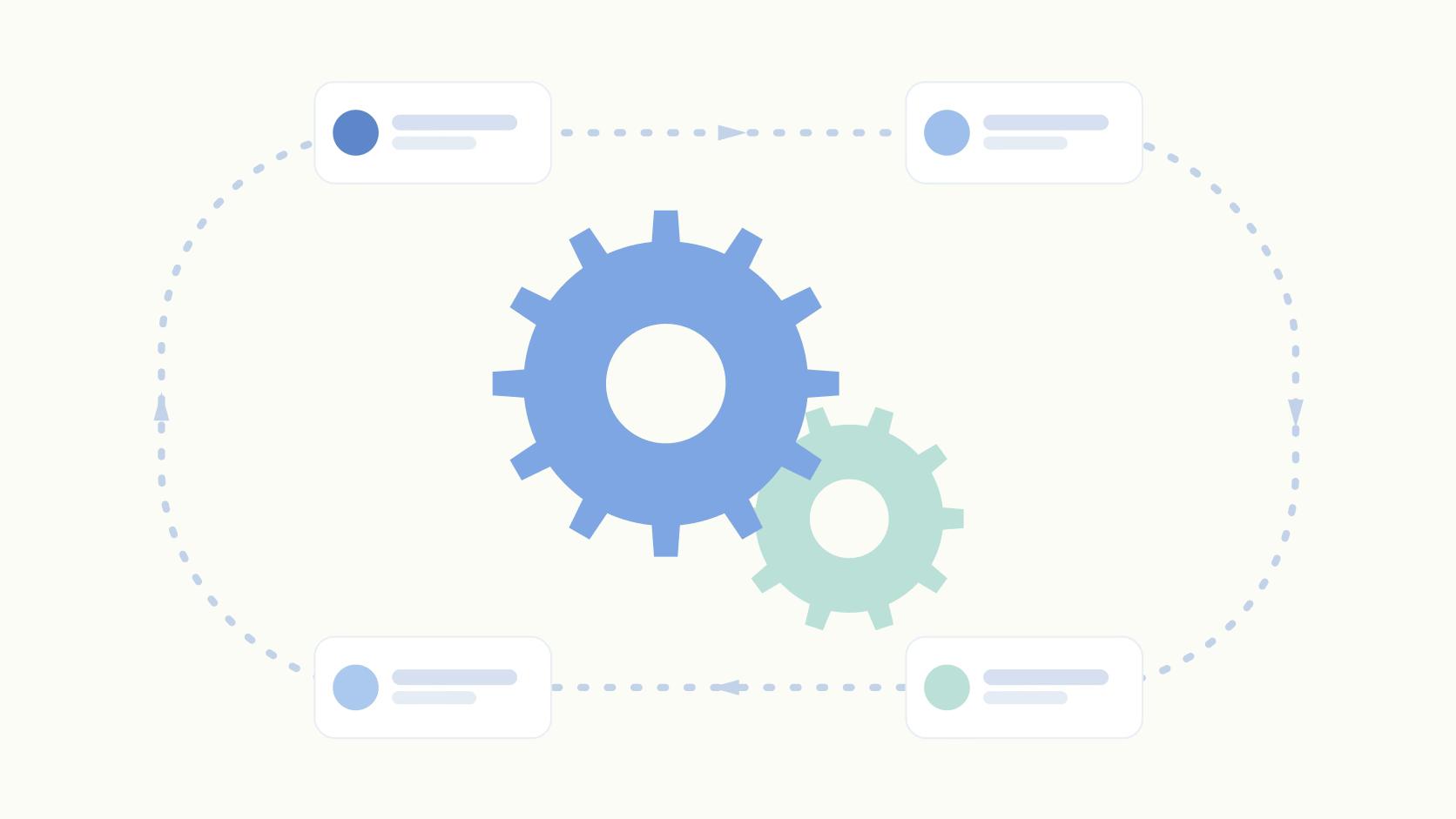
- Point your client approval chain at yourself: The same blocking approval you use to unblock client sign-off gets applied to the founder's drafts, which is the only thing that stops internal posts from sitting in a Google Doc for three weeks. If your stack can't run parallel approval queues across your own account and thirty client accounts, that's a tooling problem worth an agency tool comparison.
- Coordinate the first ten minutes: Early engagement decides whether a post gets a second distribution round, and your team is the one asset a solo founder doesn't have. Schedule the likes and comments across teammate accounts rather than pinging Slack and hoping.
- Report on it the way you report to clients: Impressions by content category, earned media value, which posts produced inbound conversations. That reporting doubles as your strongest new-business asset, because an agency that can show its own numbers has already answered the ROI question every prospect is about to ask.
Most agency owners won't write their own posts, and their system has to survive that. Ghostwriting your founder is the same job you do for clients, just with a worse-behaved client.
Niche Positioning Changes the Math on Every Channel
Niching is a cost-reduction decision that gets mistaken for a branding one.
Four things compound at once.
- SEO competition collapses for "Shopify email agency" versus "email agency"
- Paid targeting gets narrower and cheaper, because the audience is defined by firmographics instead of guesswork
- Referrals circulate inside one industry's network rather than dissipating across unrelated markets
- And case studies stop needing translation, because the prospect recognises their own P&L in the numbers.
The objection is that narrowing shrinks the addressable market. It does.
But a generalist competing for every deal at a high blended cost per lead loses to a specialist competing for a much smaller slice of deals at a fraction of the cost with a noticeably better close rate.
And the specialist gets to charge more for the same delivery hours.
Here's the part most agencies get wrong: the niche lives in the headline and dies on the services page. If it hasn't reached your case studies, your outbound list, and the examples your founder uses in LinkedIn posts, you haven't niched (you've simply changed your tagline).
Where Agency Lead Gen Breaks
How Ordinal Fits
Running LinkedIn for your own agency on top of thirty client accounts is where most schedulers give up.
Ordinal was built for the multi-account agency motion: blocking approvals with Slack notifications so client sign-off doesn't live in DMs, version history with diffs when three people touch a draft, auto-engagement coordinated across teammate accounts with randomised timing, and personal profile tagging that most schedulers can't do at all. Earned media value converts organic impressions into a dollar figure at your own CPM, which is the number that keeps a retainer conversation from turning into a vanity-metrics argument. Unlimited seats on Pro, plus agency pricing.
Final Thoughts
Set your retainer floor as a real number, then score your last twenty inbound conversations against the four criteria.
If most of them clear eight of twelve and you still didn't close enough, you have a volume problem, and the LinkedIn engine is the cheapest way to fix it at $98-ish per lead rather than $487.
If most score below eight, you have a positioning problem, and pouring more leads into it will just consume more proposal hours.
Either way, the founder's profile and two account leads are already sitting there, unused, with the workflow you built for clients running right next to them.
Frequently Asked Questions
How Many Leads Should a Marketing Agency Generate Per Month?
Five or fewer inbound leads a month puts an agency in the majority, but that's a floor, not a goal. The better number comes from your own math: if you need two new clients a quarter and close 10% of qualified leads, you need roughly 20 qualified leads for marketing agencies to hit that target.
What's a Good Cost Per Lead for a Marketing Agency?
The median B2B cost per lead sits around $213, with organic content running closer to $98. The right ceiling for your agency depends on retainer value and average client lifespan, not a benchmark: a pricier lead is cheap if it closes a large retainer that sticks around.
Where Do Most Marketing Agencies Get Their Leads?
Client referrals, by a wide margin, with 66% to 74% of agencies naming them as their top new-business source and partner referrals adding another 15%. The catch is that referrals arrive on their own schedule, so you can't forecast them or turn them up when a retainer ends.
How Do I Get Leads for a Marketing Agency Without Cold Outreach?
Organic content, LinkedIn posting from founders and senior team members, structured referral asks, and partner relationships all work without a single cold email. Organic also carries a real cost advantage: roughly $98 per lead versus $487 for account-based marketing, though it takes longer to build momentum.
Is LinkedIn Good for Generating Leads for Marketing Agencies?
Yes. LinkedIn drives roughly 80% of all B2B social media leads, and for agencies personal profiles pull far more distribution than the company page. A founder or strategist posting consistently outperforms a branded company feed almost every time.
What Makes a Lead Qualified for an Agency?
A qualified lead clears four bars: budget at or above your retainer floor, a real decision-maker in the conversation, a defined start window, and a problem inside your service line. Score each on a 0-3 scale and anything at 8 or above out of 12 goes to proposal.
How Long Does It Take to Build an Inbound Pipeline for an Agency?
Organic channels are the cheapest per lead and the slowest to start, usually needing a couple of quarters of steady output before flow gets predictable. Paid channels move faster but cost roughly five times more per lead, so the tradeoff is speed against price.
Should a Marketing Agency Niche Down to Get More Leads?
Yes. Niching down lowers cost across every channel at once: SEO competition drops, paid targeting narrows, and referrals circulate inside one industry instead of dissipating. The niche has to show up in your case studies and outbound list, not just your homepage headline, or it does nothing.
Related Posts
Looking to learn more? The below posts may be helpful for you to learn more about social media and content marketing.