

Most B2B teams have tried a social media contest exactly once. They got a spike in likes, announced a winner, and then quietly shelved the tactic because nothing downstream moved. But that's a problem that has more to do with a contest's design than the contest itself.
The format works. Contest engagement rates reach up to 34% (NewMedia, 2026), far above LinkedIn's average of around 5%. But 34% engagement on the wrong audience, measuring the wrong things, with no team activation plan, is expensive noise.
TL;DR
- Contests average up to 34% engagement, but only if you design around a specific outcome (not "more followers").
- The contest type, prize, and platform should map to where your ICP already spends time.
- The first hour of engagement determines algorithmic reach; coordinated team activation matters more than the prize itself.
- Compliance and fraud prevention aren't optional, especially for anything with real prize value.
- Measurement should connect to pipeline, email captures, and earned media value, not just likes.
What Counts as a Social Media Contest (and What Doesn't)
A social media contest is a promotional campaign where participants complete a skill-based action (submitting a photo, writing a caption, or creating a video) for a chance to win a prize. A giveaway selects winners randomly with minimal entry effort. A sweepstakes is the legal term for random-draw promotions, and it carries its own compliance requirements depending on jurisdiction.
The distinction matters for compliance and audience quality. Contest entrants self-select by putting in effort, which means they already have some interest in what you're doing. Giveaway entrants often just want a free thing.
If you want followers, run a giveaway. If you want engaged buyers, run a contest.
The 6-Step Framework to Create a Social Media Contest
Step 1: Define the Outcome Before the Mechanic
Define the outcome before you pick the mechanic.
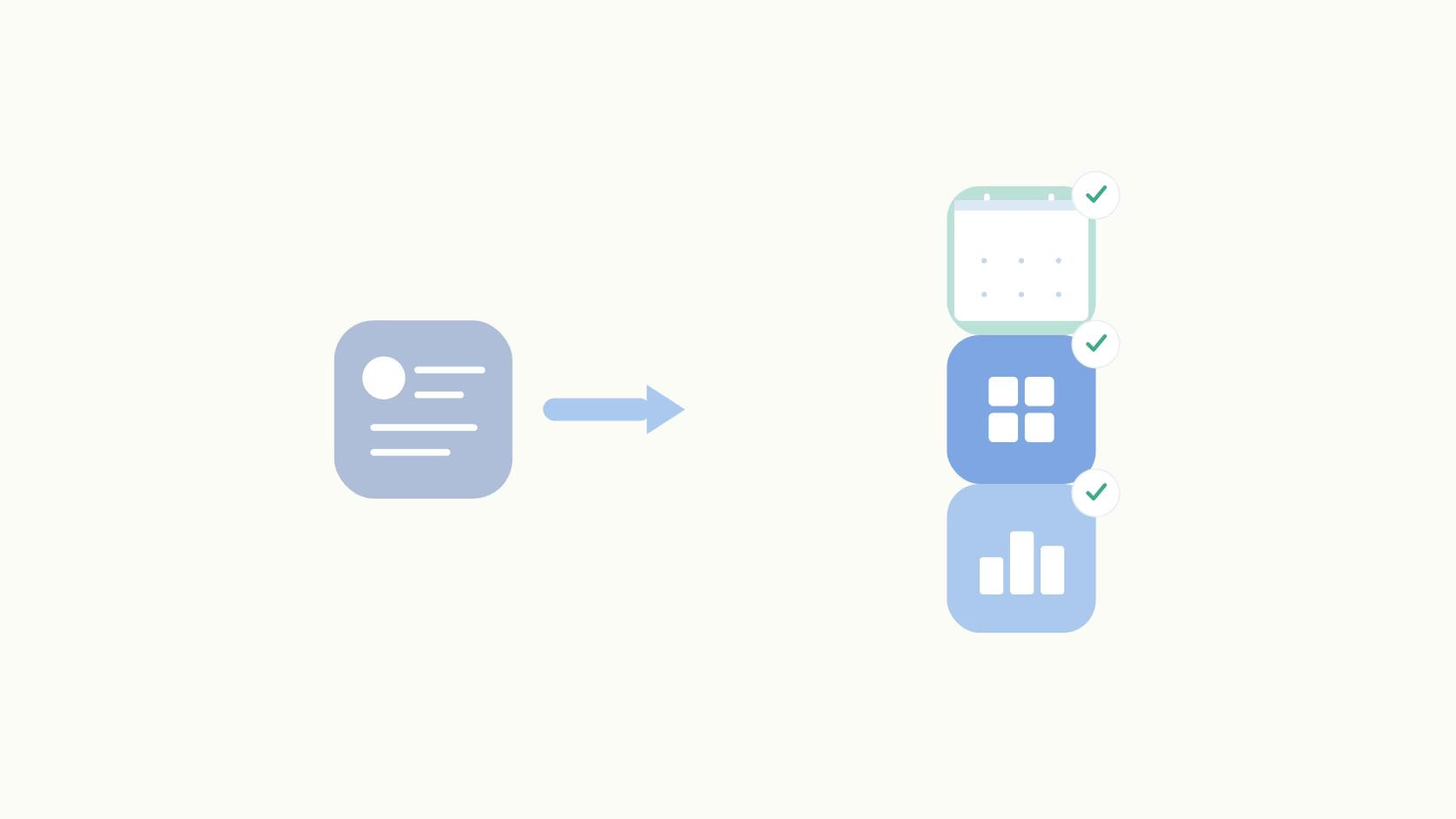
For B2B teams, three outcomes are worth building toward: pipeline (lead capture), brand awareness (reach), or UGC (asset generation for future content). "More followers" and "more engagement" don't count as outcomes unless they connect to something measurable downstream.
Once you know the outcome, the contest type follows. Lead capture means you need an email gate or form at entry. UGC generation means you need a submission mechanic and clear usage rights language. Reach means you need a low-friction entry completable in under 30 seconds.
Step 2: Pick the Right Platform
Your primary platform should be wherever your ICP actually engages, not where you happen to have the most followers.
For B2B SaaS, LinkedIn is the clear starting point. Understanding LinkedIn's algorithm before you launch is worth 10 minutes of your time, because personal profiles now dramatically outperform company pages for organic reach.
Instagram and TikTok work better for visual brands or younger ICPs. TikTok's engagement rate grew 49% year over year to 3.70% in 2025 (Sprout Social), the highest of any major platform, which makes video-entry contest mechanics worth testing if that's where your buyers spend time.
Step 3: Design the Entry Mechanic
Low-friction mechanics (like, comment, tag a friend) generate volume. High-effort mechanics (submit a video, share a case study, create a carousel) generate quality. The trade-off is deliberate: high-effort entries filter for intent and produce UGC you can actually use.
Step 4: Choose a Prize That Filters for Your ICP
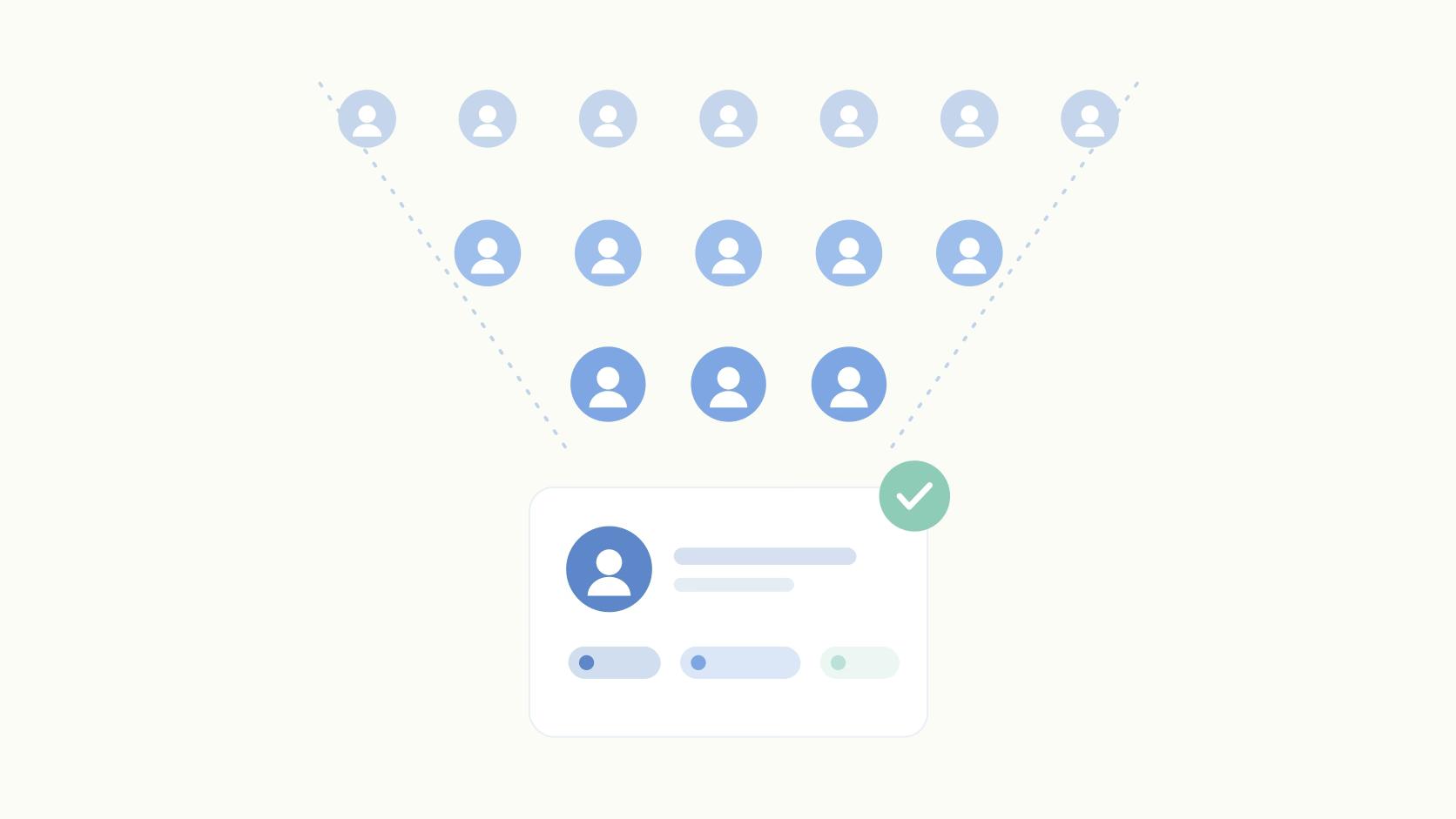
The prize is a targeting mechanism. An iPad attracts everyone. A year of your product, a 1:1 strategy session, or tickets to an industry conference attract the people you actually want in your pipeline.
Think of the prize the way you'd think about a lead magnet: the more specific it is to your ICP's actual problem, the higher the signal-to-noise ratio in your entries. Generic prizes optimize for entry volume. ICP-specific prizes optimize for entry quality.
Step 5: Build the Promotion and Engagement Plan
Most contests fail operationally, not creatively. The launch hour matters more than almost anything else.
LinkedIn's algorithm evaluates early engagement velocity to determine distribution, so the first 10 minutes after your contest goes live can make or break total reach. Coordinated team likes, comments, and reposts need to fire immediately, not whenever someone happens to check Slack.
A four-phase structure works: tease 3 to 5 days before launch, coordinate team activation in the launch hour, amplify top entries mid-contest, and push a countdown in the final 48 hours. Your LinkedIn posting frequency during the contest window matters too. Spacing posts at least 24 hours apart prevents the algorithm from treating your contest content as spam.
Step 6: Measure What Matters
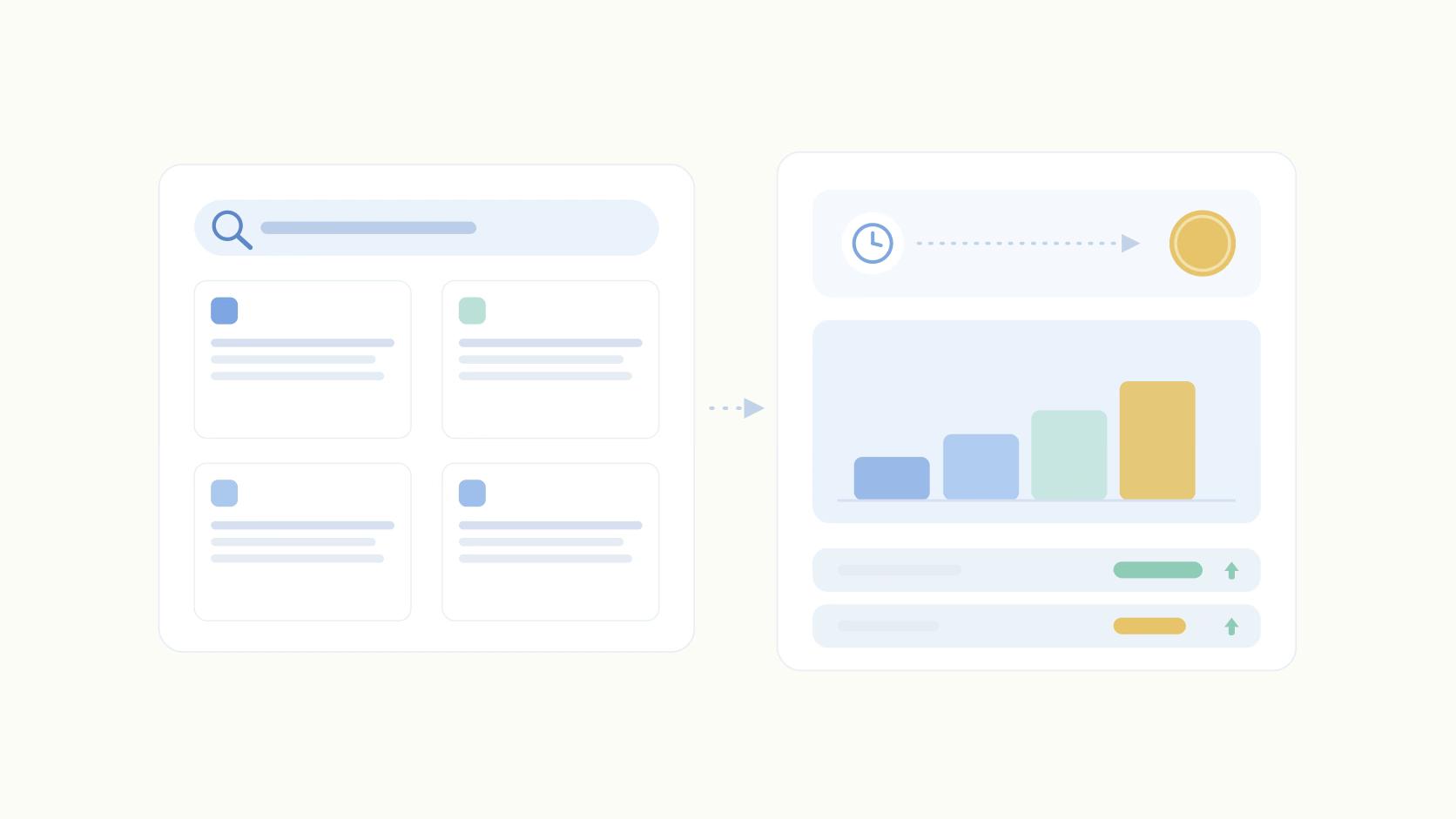
Likes and follower growth are context, not proof. The metrics worth tracking are qualified entries, email captures, pipeline-influenced revenue, and earned media value. TikTok, Instagram, and YouTube collectively account for over 60% of product discovery (Sprout Social, 2026), so contests should be measured as a discovery and consideration channel, not just an engagement play.
For a real-world benchmark, see how Clay scaled social into a revenue channel using coordinated content and engagement systems. The key LinkedIn metrics to track post-contest are impressions, engagement rate by ICP profile, and downstream conversion to pipeline.
Platform-Specific Notes for 2026
Run the contest from a founder or exec account, not the company page. Personal profiles generate dramatically more reach. Polls and LinkedIn carousels work well as entry mechanics because they keep users on-platform, which the algorithm rewards.
UGC-driven mechanics are where Instagram contests earn their keep. Tag-a-friend entry requirements still move the reach needle, though the mechanic works best when the tagging feels natural rather than forced.
TikTok
Duet and Stitch mechanics are native to how TikTok works, and they turn every entry into a distribution event. Each submission extends your contest's reach to the entrant's own audience, compounding visibility without additional spend. With TikTok's engagement rate up 49% year over year to 3.70% (Sprout Social, 2025), video-entry contests here have more upside than any other platform right now.
Common Mistakes That Kill Contest ROI
Launching without an approval workflow is the most common one. Posts go out with errors, prizes get misstated, and fixing it publicly is worse than delaying the launch. No team activation in the first hour is the second: posts die before the algorithm has a chance to distribute them.
The other mistakes are strategic. Picking a prize that attracts the wrong audience. Not capturing email or contact info at entry, so you have no way to follow up. Running only on one platform when your ICP lives across several. These aren't edge cases. They're the reasons most B2B contests produce engagement reports no one reads twice.
Final Thoughts
A social media contest isn't a creative exercise. It's a demand-gen play with moving parts: outcome definition, platform selection, entry mechanics, prize design, team activation, and post-contest measurement. The teams that run these well treat every contest with the same operational rigor as any other campaign.
If the coordination layer is where your contests break down, Ordinal's LinkedIn platform handles scheduling, approvals, auto-engagement, and analytics in one place, so the first-hour activation actually happens.
Frequently Asked Questions
What Is a Social Media Contest?
A social media contest is a promotional campaign where participants complete a skill-based action, such as submitting a photo, writing a caption, or creating a video, for a chance to win a prize. Unlike a giveaway, which selects winners at random, a contest requires genuine effort from entrants. That barrier to entry is what makes contests more useful for B2B teams: the people who bother to participate are usually more invested in your brand.
What's the Difference Between a Contest, Giveaway, and Sweepstakes?
A contest requires skill or effort to enter. A giveaway is a random draw with minimal entry requirements, like following an account or tagging a friend. Sweepstakes is the legal term for random-draw promotions and carries specific regulatory requirements that vary by country and state. The distinction matters for both compliance and audience quality: contest mechanics filter for higher-intent participants by design.
What's the Best Platform for a B2B Social Media Contest?
LinkedIn is the strongest fit for B2B social media contests because your buyers, executives, and partners are already there. Instagram and TikTok work better for B2C or visually-driven brands. The average user moves between 6.75 social networks per month (Sprout Social, 2026), so cross-promoting across two or three platforms meaningfully increases reach without requiring duplicate work.
How Long Should a Social Media Contest Run?
Seven to fourteen days is the standard range. Shorter contests create urgency but limit how far the content can spread organically. Two weeks gives your team enough time to amplify entries mid-contest and run a countdown push in the final 48 hours without the campaign going stale.
What Kind of Prize Should I Offer for a B2B Contest?
Choose a prize that filters for your ideal customer, not one that attracts everyone. Generic prizes like gift cards or iPads draw prize hunters who'll never buy from you. ICP-aligned prizes (a free annual subscription, a one-on-one strategy session, or tickets to an industry conference) pull in the audience you actually want to convert.
How Do I Measure ROI on a Social Media Contest?
Track qualified entries, email captures, pipeline-influenced revenue, and earned media value. Likes and follower growth tell you about reach, but they don't tell you whether the contest moved the business forward. The real measure is whether contest entrants convert to leads or customers, which means your entry mechanic needs to capture contact information or route participants into a CRM-trackable flow from the start.
Do I Need Legal Disclaimers for a Social Media Contest?
Yes. Most platforms require official rules, eligibility statements, and a disclosure that the platform isn't sponsoring the contest. Compliance requirements vary by country and state, so review the rules for each jurisdiction where entrants can participate before you launch.
How Do I Prevent Fraud and Fake Entries in a Social Media Contest?
Use entry tools that detect duplicate accounts and require email verification. Avoid pure tag-a-friend mechanics that incentivize spam entries. For high-value prizes, manually review the top entries before announcing a winner rather than automating the selection entirely.
Related Posts
Looking to learn more? The below posts may be helpful for you to learn more about social media and content marketing.