Why Great Content Never Gets Published (And How to Fix It)

Full Transcript
Approval workflows are the most overlooked bottleneck in B2B content right now. Teams have the strategy, they have the writers, but posts still die in a Google Doc waiting on an executive to say "approved."
My name is Jeffrey. I'm a Harvard graduate, YC alum, and Forbes 30 Under 30 founder, and I spent the last few years obsessing over how the best teams build frictionless content systems that drive real pipeline.
In this video, I sit down and unpack frictionless approvals and collaborative editing and how that changes the game for B2B content. We'll discuss how teams structure approvals across multiple accounts without slowing anything down process. Let's get into it.
Why Did Ordinal Build Approvals Into the Core of the Product?
Nathan: All right, I'm here chatting with Jeffrey from Ordinal, co-founder of Ordinal. What I specifically wanted to pick your brain about today is something that I've lived through as part of content teams, and something that typically sounds very easy and suddenly throws a wrench in everything. That's approval workflows when it comes to social media posting.
A lot of teams that I've worked with, they'll treat those approvals as an enterprise checkbox, and then they'll track it across three different tools, and you'll have something living in a Google Doc where the writer will draft. And then you'll have some project management board like Monday.com or Asana where everyone goes through and approves, and then you'll go through and put it on the actual platform, the social media itself.
Ordinal took a different approach and consolidated all of that. Why did you build approvals as a core of the product instead of just the drafting?
Jeffrey: Yeah, I think first of all, we felt like this is a terrible system, right? For lack of a better word. But I think you're right, Nathan. Most approval workflows for content on teams, they live across a bunch of different systems of record, and whether that's Notion plus Airtable plus Google Docs plus a scheduling tool and then everything in between, there's a lot that can get lost, and it's a lot of extra software and clicks to get something very simple out.
And I think in the name of content, when ramping up posting and getting as much content scaled out and saturating the channels is more important than ever, extra friction is what kills content strategy. Everyone has a great strategy of posting five times a week and very few people do it, and it's not because the intention is not there. It's almost always because of these small frictions.
So for us at least, I guess the history is that when you think about most scheduling tools, and the reason we don't think Ordinal is just a scheduling tool, is when you think of Sprout or Hootsuite or a lot of these kind of traditional scheduling tools, they are really just that. They are schedulers. It's a place for you to take your finalized content, paste it in, add the image that's been approved, and then hit a button to push it out.
That's great in its own right, but we really felt like the next evolution of that is more of an end-to-end content engine and workflow, right? Somewhere where you can not just put in the finalized content, but you can actually draft and collaborate with your team on the content. You can have the first draft as an idea.
You can basically start to do inline comments and collaborate and figure out what's working, what's not, make any edits, run the right system of approvals within the tool, and then get everything queued to push out. So we're basically consolidating that whole workflow in one centralized place.
What Pushed Inline Commenting Up the Roadmap?
Nathan: And I love the idea of within the platform having inline comments and even collaborative editing, especially for teams that are managing the executive posting, and somebody wants to see them, leave a comment, "Oh, I would never say this," or, "Oh, reword this." People get very opinionated once it's their own and it's not on the company page. What forced the inline commenting up the roadmap for Ordinal as a product?
Jeffrey: Yeah, I think it is a little bit about, A, the use cases that we care about, right? So I think that company socials are a big part of Ordinal, but even more so, executive advocacy is something that's such a common workflow in B2B, and employee advocacy as well.
And so for us, if we think about something like executive advocacy, exactly, Nathan. For a company content, you might go through one or two rounds of approvals. You might have to follow a brand book. When you're writing on behalf of an executive, the realistic answer is it's a lot less predictable in a lot of cases, right?
Humans are much more subjective. We might react really strongly to one piece of feedback and not really care about something else. Execs might be busy and in a bad mood one day and pick out a ton of issues. But I just basically think it's more of a human-to-human editing effort versus just trying to get something up to brand compliance, right?
And because that problem is more variable, I think there ends up needing to be stronger collaboration tools to support that process. And that's where things like inline comments come in, right?
So maybe just to give it a little bit of an explanation, Ordinal has what we would call a full collaborative editor. So what that means is multiple people can be editing the post at the same time and we'll take care of any conflicts or resolutions. The second thing is we support features like inline comments, right? Threading, emoji reacts, resolving those comments, etc. So a full commenting workflow.
We also preserve things like post history, so you can see a previous history of all changes that were made, who made it, what those changes were, and revert it back to a previous version. I think these are the three core components to me of what make up a truly collaborative editor that can support a more sophisticated workflow of revisions, which we think is really important for a lot of these push motions in exec advocacy.
Nathan: All right. So if anything goes out and people are like, "How did this happen?" there's a log, like a change log essentially, that you can audit through that process and see I didn't. That's great. Okay.
Jeffrey: Exactly. Yeah.
Who Is Usually the Bottleneck in a Social Media Approval Workflow?
Nathan: Without throwing anyone under the bus, who's usually the bottleneck in a social media approval workflow? Is it the CEO? Is it legal? Is it the client? Is it the ghostwriter? Is it just the more pieces you add, the harder this project gets?
Jeffrey: I think it's different team to team, right? So I think there's no one answer, but it's usually the execs. Execs are busy, right? They're in meetings, they have other priorities. And so they often forget.
And so, yeah, I guess that's why we think that when things live in disaggregated systems, this is the problem, right? An exec's not going to remember like, "Oh, let me check the Airtable status for the asset to see if this is final. And let me go to the Google Docs, look at the copy, and let me put the two together in my head and see if this makes sense for a post for me."
You need to make it as low friction as possible, right? And it's easy for them to just click, leave a comment, or just click approve.
That's also where a lot of our integrations kind of come into play. So, for example, we integrate natively with tools like Slack, right? So that when you request an approval for an executive, not only do they get notified about it in Slack, where they kind of live in a lot of day-to-day work, but we'll actually just send them a rendered preview of the entire LinkedIn post, for example.
So they'll see the text, they'll see the asset, it's styled like it is on LinkedIn, so you know exactly how it's going to look, all within Slack. And they can approve it within Slack, right? So you can just hit this approve button in Slack and it'll just approve it for them. So they never even have to open up the tool.
So yeah, a lot of it is, I think, about maintaining as little friction as possible for the execs.
Nathan: It's incredible, just that preview to me. And I remember the first time you showed me Ordinal, I was blown away by such a small but powerful feature, because I can't tell you the number of times where my bottleneck when writing for someone was, "Okay, but how's this hook going to look on LinkedIn? Is it too long? Is it going to get cut off?"
And I was like, "Let's load it up together and then we can kind of get an idea." And you have the character rules, but you can actually see it and mimics LinkedIn's exact preview.
Jeffrey: Exactly. Exactly. Yeah. I mean, LinkedIn's feed is programmatic, right? So we just kind of reverse engineer the rules and it's rendered within Ordinal.
As AI Drafts More of the Content, Do Approvals Matter More or Less?
Nathan: That's all excellent. Okay. What do you think, when AI starts drafting more of the content, do approvals matter more or less? And does the reviewer's job change or does it simply get a little easier?
Jeffrey: Yeah, I think it's a great question. So as AI starts to draft more content, I always feel like for content there'll be some sort of human in the loop, right? Those ideas need to kind of come from somewhere, or there needs to be an approver from somewhere.
I also think this is a little bit of a function of company size, right? At a certain size, they'll always need to have somebody look at it. Nike's never going to post a big announcement about a huge release and no human has ever laid eyes on it, right? It just seems unlikely to me that even if AI gets really good that that would be the case.
So I do think that maybe some content can start to become more autonomous, if you give an interview or sourcing some context like sales transcripts and it writes more like an interesting insight you had or experienced. Potentially that could become more autonomous in a high trust smaller team, but I think that inevitably for most cases approvals are a human problem, right?
And I think not one that's necessarily, approvals don't exist today because there's no, AI solves a means of production problem. Maybe this is the way I would put it. AI makes it easier to generate content. But even if content was free to generate today, aka you had infinite copywriters, that doesn't necessarily mean that most people would be okay doing it without approvals. And I'm not sure that would change.
How Do Teams Handle a Company Page and Multiple Executives?
Nathan: I think that makes a lot of sense. And it also is dependent on the type of post that you are writing, I imagine. If you're approving your CEO's personal LinkedIn post, it is just different than approving a company page post.
Jeffrey: Exactly.
Nathan: How have you seen teams handle posting from a company page in one tone and then managing multiple executives through that approval process?
Jeffrey: Yeah. Well, on larger teams, this is actually two separate functions oftentimes, right? So the communications or comms team is the one that's often managing executive profiles, and then the marketing team is the one responsible for the company. I'm not sure that I think that's a good divide necessarily, but it is one that has historically existed and it makes sense, right?
But in terms of just how teams streamline it, I guess the way that I would put it is it does feel like there are different stakeholders involved in that. Company pages often go through the VP of marketing or somebody that's in charge of the company brand presence, maybe it routes through brand and compliance more so. Thought leadership from the CEO is often just much more comms focused, right?
It might still run through compliance as well if the company is bigger, but at the end of the day, one is almost like a one-to-one problem, like does the exec I'm writing for approve of this, and the other one is more of a company problem, aka is this [unclear] correctly, and I might loop in product, I might loop in legal, I might loop in other people as well.
How Should Companies Set Up Approvals for Employee Advocacy?
Nathan: And we talked about executive advocacy, but employee advocacy adds a twist too, because you're semi-approving either posts or engagement on accounts that you don't own. How should companies think about responsibly setting up a system for their company in which people feel comfortable having those approvals made for them? Is there anything that they should think through?
Does the end user still have final say through those inline comments and those approval workflows? Or do you find people just shifting to, "Blindly take my LinkedIn and go for it"?
Jeffrey: No, this becomes even more important on the employee level, right? Ironically, a lot of execs are a bit more okay letting go and being like, "Hey, some centralized team can write my content, post it without my permission. Maybe I look at the important posts." Employees, this becomes a lot more of a no-go zone from what we've seen at least, right?
Maybe that you have exceptions of really small teams where there's a lot of high trust. But if I'm an employee at, I don't know, any mid-size company, I'm not just willingly giving up the keys to my LinkedIn.
And so I do think that approvals become kind of a mandatory part of the process. So employees are happy to opt into an employee advocacy platform, right? But you do need to make sure the right structure, the right systems exist so that employees also feel comfortable and secure with giving that access, and approvals are a big part of that.
How Does the MCP Fit Into Writing in Someone Else's Voice?
Nathan: All right. Well, one thing I've really loved about the product from the content side is that it's not just focused on the content, but also that as somebody who used to ghostwrite all the time, I'll be honest, at least it's a rookie mistake where you start to add your own flavor into other people's voices. But with the MCP, it actually starts learning that person's voice and it can keep me a bit more honest in writing to their tone and their previous thoughts, right?
Jeffrey: Exactly. And you can also run your approval system through the MCP as well, which is really great. So you can request for approvals dynamically through the MCP. You can have skills that make sure they route the right approvals to the right people, etc. So all of this is configurable within Ordinal.
Where Can People Learn More?
Nathan: All right. And if somebody wanted to learn more about this end-to-end social platform engine, where would they reach? What's the best way? Is it email, LinkedIn?
Jeffrey: They should check out our website at tryordinal.com. And they can always email me as well. I'm jeffrey@tryordinal.com as well.
Nathan: Excellent. Jeffrey, thank you so much for the time. I really appreciate it.
Jeffrey: Awesome. Thanks, Nathan. Have a good rest of your day.
Chapters
- 0:00Intro
- 0:38Interview Begins
- 1:07The 3-Tool Approval Problem Most Teams Have
- 1:45Why Ordinal Built Approvals Into the Core Product
- 2:20How Friction Kills Content Strategy at Scale
- 2:40The Problem With Traditional Scheduling Tools
- 3:30Inline Comments & Collaborative Editing
- 3:55Why Executive Advocacy Complicates Approvals
- 4:50Version History, Comments & Collaborative Editor Breakdown
- 5:55Who Is Usually the Approval Bottleneck?
- 6:44How the Slack Integration Removes Exec Friction
- 7:37The LinkedIn Preview Feature
- 8:01Do Approvals Matter More as AI Drafts More Content?
- 9:30Company Page vs. Executive Profile Approvals
- 10:12How Larger Teams Split Comms and Marketing
- 11:14Employee Advocacy and Approvals You Don't Own
- 11:47Why Employees Won't Just Hand Over LinkedIn Access
- 12:35How the MCP Learns an Executive's Voice
- 12:59Running Approvals Through the MCP
- 13:23Where to Find Ordinal
Key Takeaways
- Approval workflows are the most overlooked bottleneck in B2B content. Extra friction is what kills a content strategy.
- The bottleneck is (usually) the executive, so the approval has to reach them where they already work, in one click.
- Writing for an executive is a human-to-human editing effort, which is why it needs inline comments, live co-editing, and post history.
- AI solves a production problem. I still expect a human to approve what goes out under their name.
- Employees won't hand over the keys to their LinkedIn, so approvals are a mandatory part of any employee advocacy program.
Everyone has a great strategy of posting five times a week, and very few people do it. The intention is there.
What gets in the way, almost always, is a pile of small frictions between a finished draft and a published post, and a lot of that pile is approvals. Here's my position: approval workflows are the most overlooked bottleneck in B2B content, and the fix is fewer steps between "draft done" and "post live."
Why Does Good Content Stall Before It Ships?
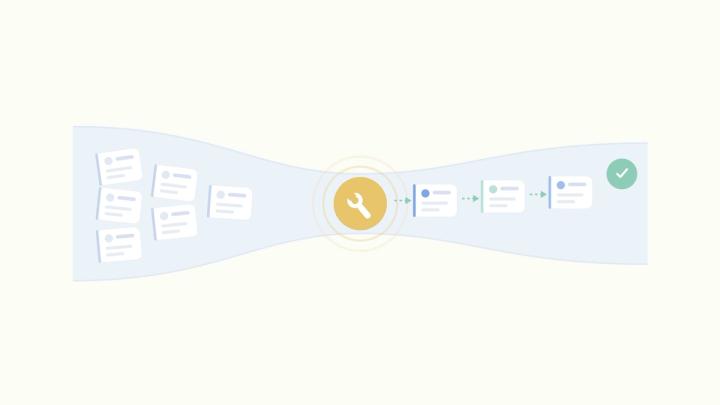
The approval process on a typical content team lives across several systems of record: Notion, plus Airtable, plus Google Docs, plus a scheduling tool, and everything in between. I think it's a terrible system, for lack of a better word. A lot gets lost between those tools, and it takes a lot of extra software and clicks to get something very simple out.
That costs more now, because ramping up posting and saturating your channels matters more than ever. Every handoff is a place where a post can stall.
Traditional scheduling tools start at the end of this process. They give you a place to paste finalized copy, attach the image that's already been approved, and hit a button to push it out, which is great in its own right. Everything that decides whether the post ships happened earlier, somewhere else.
"Extra friction is what kills content strategy."
Who Is the Bottleneck in an Approval Workflow?
It differs from team to team, so there's no single answer, but it's usually the executives. Execs are busy: they're in meetings, they have other priorities, and so they often forget.
Disaggregated systems make that worse. An exec is never going to think, "Let me check the Airtable status for this asset, then open the Google Doc for the copy, and put the two together in my head to see if this works as a post for me." The approval has to be as low friction as possible, which means it should be easy for them to leave a comment or click approve in a place where they already spend their day.
Why Is Executive Content Harder to Approve Than Company Content?
Company content tends to be predictable. You might go through one or two rounds of approvals, and you might have to follow a brand book.
Writing on behalf of an executive is a lot less predictable, because humans are much more subjective. Someone might react really strongly to one piece of feedback and barely care about another, and an exec who's busy and in a bad mood one day might pick out a ton of issues. I think of it as a human-to-human editing effort, and because the problem is more variable, it needs stronger collaboration tools to support it.
Does AI Make Approvals Less Important?
As AI drafts more of the content, I still expect a human in the loop. The ideas have to come from somewhere, and an approver has to exist somewhere. Company size plays into this too: I can't see Nike posting a big announcement that no human has laid eyes on, even if AI gets really good.
Some content could become more autonomous. If you give an interview, or you feed in context such as sales transcripts, and the system writes up an insight you had, a small, high-trust team might let that go out on its own.
For (nearly) everything else, approvals are a human problem. AI solves a means-of-production problem: it makes content easier to generate.
"Even if content was free to generate today, aka you had infinite copywriters, that doesn't necessarily mean that most people would be okay doing it without approvals."
Should Company Pages and Executive Profiles Share One Approval Flow?
On larger teams these are (usually) two separate functions. Communications manages the executive profiles, and marketing is responsible for the company page. I question that divide, but it has historically existed and it makes sense.
The stakeholders differ. A company page post often goes through the VP of marketing or whoever owns the company's brand presence, and it may route through brand and compliance, because it's a company question and I might loop in product, legal, and other people. Thought leadership from the CEO is much more comms focused. It comes down to a one-to-one question: does the exec I'm writing for approve of this.
Why Do Approvals Matter Even More for Employee Advocacy?
Ironically, a lot of execs are fairly comfortable letting go. Their attitude is that a centralized team can write the content and post it without their permission, and maybe they look at the important posts.
Employees are much more of a no-go zone, from what I've seen. There may be exceptions on really small teams with a lot of trust.
"If I'm an employee at any mid-size company, I'm not just willingly giving up the keys to my LinkedIn."
So approvals become a mandatory part of the process. Employees are happy to opt into an employee advocacy platform when the right structure exists and they feel comfortable and secure giving that access, and approvals are a big part of that structure.
How We Built Approvals Into Ordinal
We built approvals into the core of Ordinal because we wanted one place for the whole workflow: start a draft from an idea, collaborate with your team, run the right approvals, and queue everything to publish.
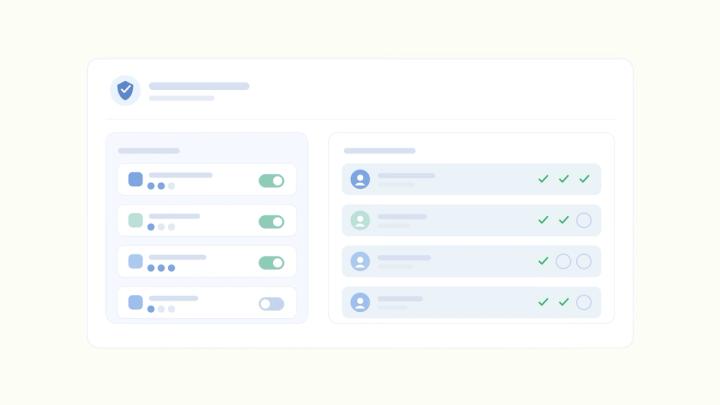
Three things make up what I'd call a truly collaborative editor. Multiple people can edit a post at the same time and we take care of any conflicts. Inline comments support threading, emoji reactions, and resolving. Post history keeps every change and who made it, and lets you revert to a previous version.
For the executive bottleneck, we integrate natively with Slack. When you request an approval, the exec gets notified in Slack with a rendered preview of the whole post, text and asset, styled the way it will look on LinkedIn, and they can approve it right there without opening Ordinal. You can also run approvals through our MCP: request them dynamically, and set up skills that route each approval to the right person. Our guide to fixing your content approval process covers the process side.
Final Thoughts
Take one post from last week and count the tools it touched between first draft and publish, then count the people who had to remember to go and look at it. Cut steps until the approver can say yes with a single click in a tool they already have open all day. I'd start with your busiest executive, because that's (usually) where the queue forms.
Frequently Asked Questions
Why Do Social Media Posts Get Stuck in Approval?
In my experience, the approval lives across too many systems: a doc for the copy, a board for the status, and a scheduler for publishing. Every handoff relies on someone remembering to check, so posts stall. Extra friction is what kills content strategy.
Who Is Usually the Bottleneck in a Social Media Approval Workflow?
It differs from team to team, but it's usually the executives. They're in meetings, they have other priorities, and so they often forget, which is why I'd make the approval as low friction as possible for them.
How Do You Get Executives to Approve LinkedIn Posts Faster?
Bring the approval to where they already work, such as Slack, with a preview of the post as it will look on LinkedIn and a way to approve in one click. An exec is never going to check a status column in one tool and read the copy in another. The lower the friction, the faster you get an answer.
Do You Still Need Approvals if AI Writes the Content?
Yes, in (nearly) every case. AI solves a production problem by making content easier to generate, and I still expect a human in the loop for the ideas and for the sign-off. Even with infinite copywriters, I doubt many people would be okay publishing without approvals.
Should Employees Approve Posts Published From Their Own LinkedIn Accounts?
Yes. Employees are far less willing than executives to let a central team post for them, and I wouldn't willingly give up the keys to my LinkedIn at a mid-size company either. Approvals are a big part of what makes people comfortable opting into an employee advocacy program.