

For B2B marketing leaders in 2026, search is still where the revenue is. But is B2B SEO worth funding when the answer engine responds before anyone clicks?
AI Overviews showed up on 36% of B2B technology queries in February 2025. Twelve months later that figure hit 82% (Responsive Web Developer, 2026). If your reporting still leads with sessions, that's a number you'll be explaining in your next planning meeting.
The reflexive read is that search is finished. The data says something more specific. Organic search still generates 44.6% of all B2B revenue (SeoProfy, 2025), the largest single revenue channel in B2B, and SEO leads still convert at 14.6% against 1.7% for outbound. Meanwhile 90% of B2B content pulls zero organic traffic.
So B2B SEO still works. But the version of it most teams are funding doesn't. This piece is for marketing leaders defending or rebuilding an organic program (not practitioners looking for a keyword research tutorial).
TLDR:
- Organic search drives 44.6% of B2B revenue, more than any other channel
- SEO leads convert at 14.6% versus 1.7% for outbound, an 8.5x quality gap
- 90% of B2B content receives no organic traffic, so publishing volume isn't the lever
- AI Overviews hit 82% of B2B tech queries by early 2026, and 58.5% of US searches now end without a click
- The fix is measuring citations, branded search demand, and conversions instead of sessions, and using named humans to manufacture the demand that search then captures
What Is B2B SEO?
B2B SEO is the practice of earning visibility in search results and AI-generated answers for the queries a business buying committee runs during vendor evaluation. It differs from B2C SEO on three axes: search volume (far lower), buying cycle (months, with four to ten stakeholders), and the success metric (pipeline influenced rather than sessions).
The volume difference trips up leaders who came from consumer marketing.
A B2B keyword with modest search volume can easily outperform one with a much larger search volume. The 90 are procurement managers and technical evaluators with budget. The higher-volume keyword often reflects students and job seekers rather than buyers. Volume tells you nothing about who's typing.
And the committee problem compounds it.
The person running the search often isn't the person signing, so the content that wins is the content a champion can forward internally. That 44.6% revenue share exists because organic search catches buyers at the exact moment they've decided to solve something. It's also why organic-sourced deals sit in the CRM for two quarters before anyone attributes them properly.
Why Most B2B Content Never Ranks
90% of online B2B content receives no organic traffic at all, while SEO leads convert at 14.6% compared with 1.7% for outbound (BeOmniscient, 2026). Both facts point the same direction. The pages that work, work extremely well. Almost everything else is inventory.
Content velocity is the wrong lever. A decade of "publish twice a week" advice has produced warehouses of unread posts with a byline that says "Team."
We've seen the shape of this repeatedly. A Series A SaaS company with 140 published posts, nine of which drive every organic demo request. Nobody audits which nine. The calendar just keeps moving.
"But you can't rank without publishing," you say. True.
You also can't rank without publishing against a query you can plausibly win. Most B2B content is written for topics the team wanted to talk about rather than queries the buying committee runs, which is a strategy problem dressed up as an output problem.
Before you commission another quarter of content, find the nine pages and go read them. The pattern in them is your brief.
How AI Overviews Changed B2B Search
AI Overviews now appear on 82% of B2B technology queries, up from 36% a year earlier, and 58.5% of US searches and 59.7% of EU searches end on the results page with no click-out (Stratabeat, 2025). Ranking and receiving traffic have decoupled. Your page can be the source an AI Overview summarizes and still send you zero sessions.
That's a real visibility win your analytics will record as nothing.
Being cited is the new ranking. What gets cited is content with specific extractable claims: sourced numbers, bolded definitions, direct answers in the first 60 words of a section. Narrative loses to structure here, which is annoying for good writers and enormously useful to know.
The same framing applies to search. Here's what shifted:
The Four Signals That Drive B2B Search Visibility in 2026
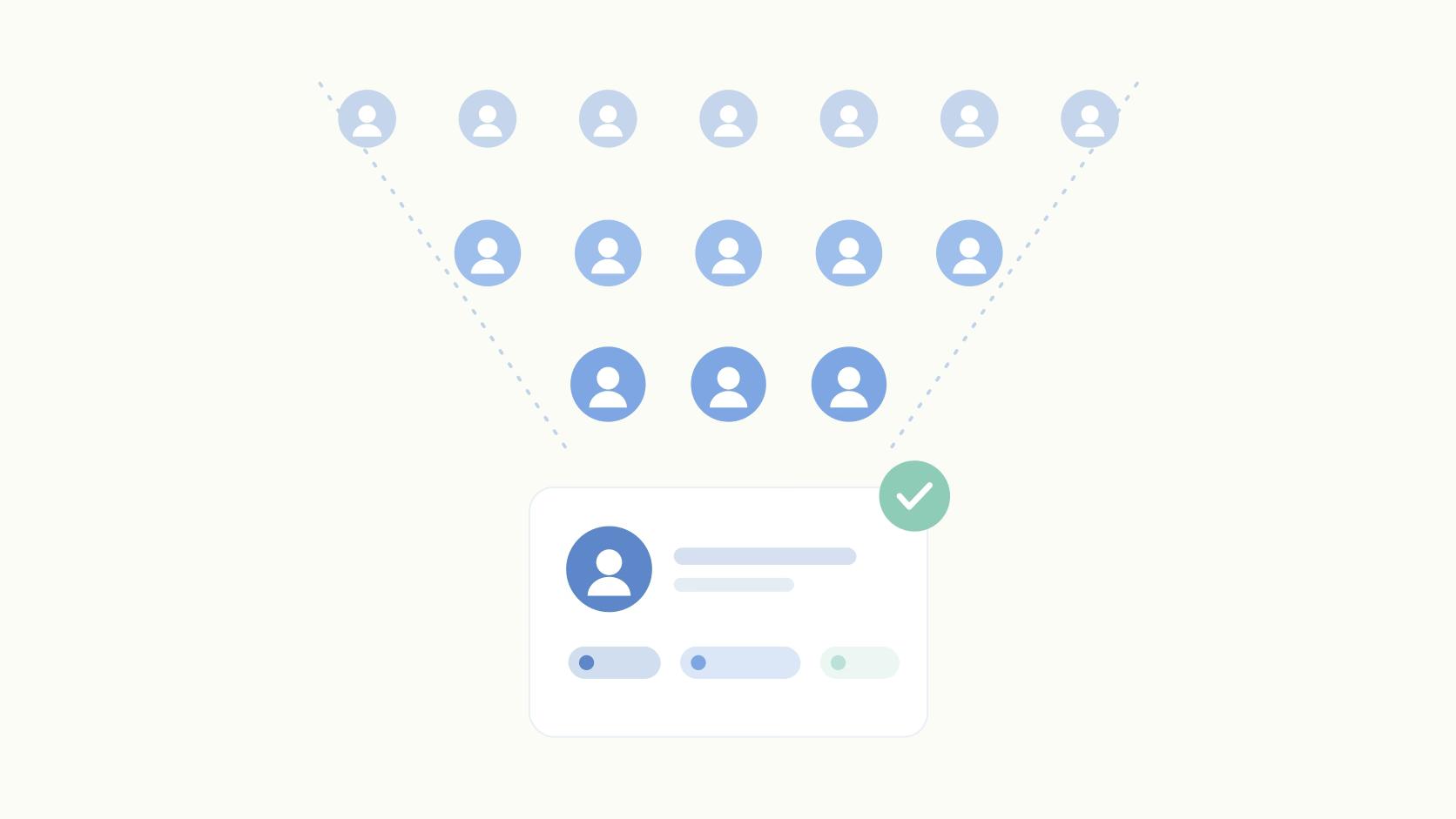
- Query-first content selection: Before anyone writes, confirm the query exists in your B2B keyword research, confirm you can plausibly rank for it given your domain, and confirm the person searching sits in your buying committee. If any of the three fail, kill the topic. This gate alone removes a large share of the wasted content most teams publish.
- Extractable structure: Direct answer in the first 60 words of any section that answers a question, definitions in bold, every number attached to a named source and a date. AI engines lift structure, and undated statistics get skipped.
- Entity and author signals: Attach named humans with verifiable expertise to everything you publish. B2B has a structural advantage here, because founders and executives already have real track records, conference talks, and named expert profiles that search engines can resolve into an entity. An anonymous "Team" byline is a liability now.
- Off-site mentions where LLMs read: LinkedIn, Reddit, YouTube transcripts, podcast show notes, industry directories. Google and the language models both treat these as corroboration that other people say what you say about yourself.
"It's important to flip this conversation — for B2B SaaS, LinkedIn is one of the best acquisition channels. You really need to approach it as a GTM motion. It needs the sophistication, the care, the coordination of that." — Jeffrey Zhao
What to Measure When Rankings Stop Meaning Traffic
Start with branded search volume. Make it a weekly line in Search Console rather than a quarterly curiosity. Branded and navigational queries are demand created somewhere else and merely harvested by your homepage.
If branded query volume is flat, your SEO program is converting people your brand already reached rather than acquiring anyone new.
This is where last-touch attribution quietly lies to you. Someone reads three of your CEO's LinkedIn posts in March, types your company name into Google in May, lands on a comparison page, books a demo.
Your CRM logs organic search. Your social budget gets cut in June. In our experience the lag between a post being seen and a name being typed runs one to three months, exactly long enough for the two events to look unrelated in a dashboard.
Then track AI citation rate. Illustrative arithmetic: you track 40 priority B2B queries and your domain appears in the AI Overview on 11 of them, so your citation rate is 11 ÷ 40 = 27.5%. Log it monthly. A rising citation rate against flat sessions is a healthy program, and it's the number that keeps your budget in a room where sessions no longer mean anything.
Third, replace session counts with SEO lead conversion rate per landing page. Same arithmetic: organic delivers 1,200 sessions and 42 demo requests in a month, so conversion is 42 ÷ 1,200 = 3.5%. Now you can compare cost per qualified conversation across channels instead of comparing session counts against nothing.
Where Social Feeds Search (And Why B2B Teams Miss It)
Most B2B teams run SEO and social as separate programs, with separate owners and separate quarterly reviews. That separation is now a measurable disadvantage.
In our experience, a large share of social media users go to Google to research a product they saw on social. The LinkedIn post generates the demand. The Google search converts it.
"Social doesn't rank," goes the objection. Correct, and irrelevant. It doesn't need to rank to manufacture the queries that do.
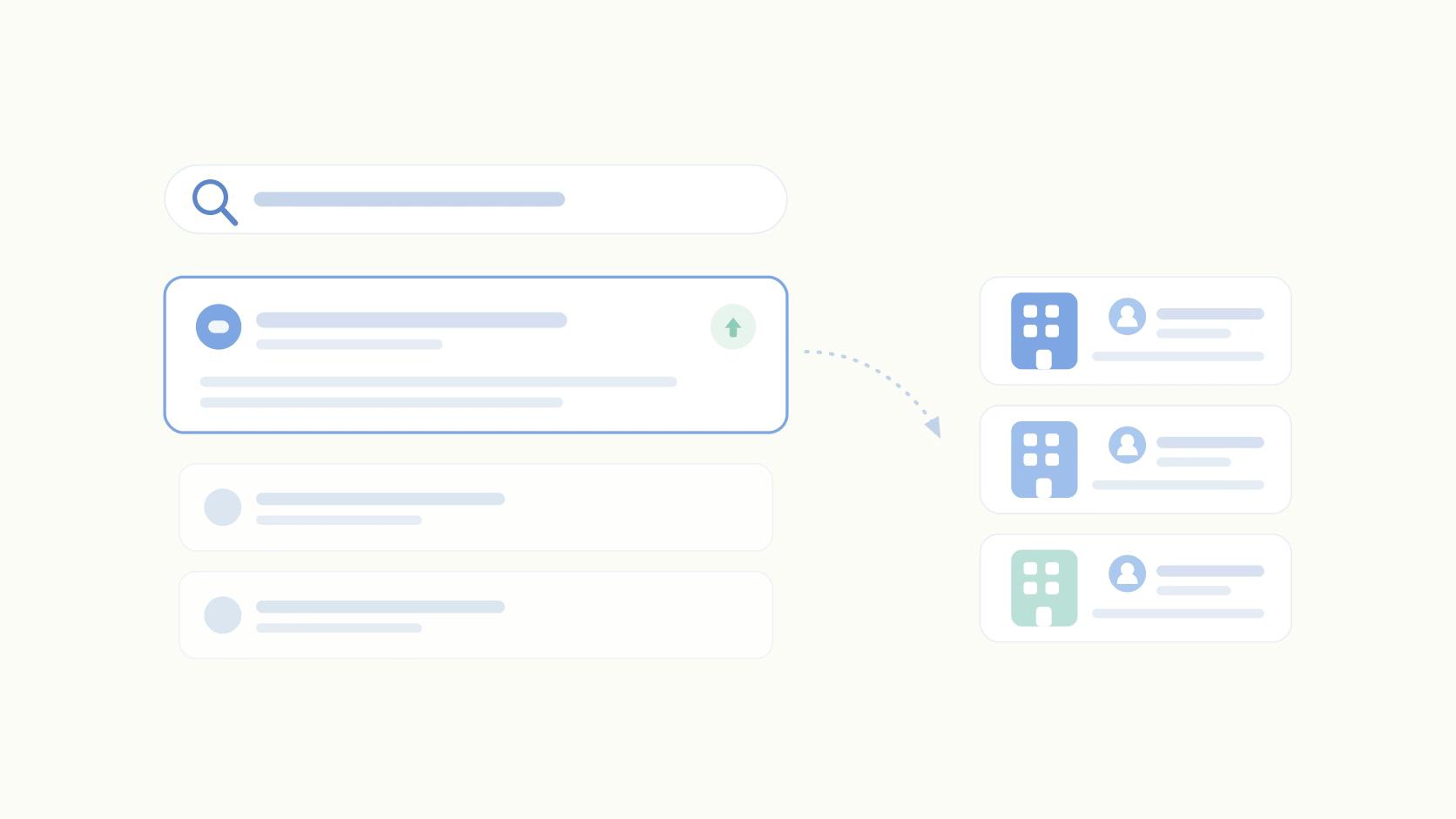
A second mechanism matters more as AI search matures. A founder with 200 LinkedIn posts, a Google-indexed profile, and a consistent point of view is an entity a language model can resolve and corroborate. A company blog with no bylines is a URL. When an AI engine decides which of four vendors to name, entity strength is doing real work.
"Because a lot of these LLMs will actually care a lot more about what LinkedIn and Reddit and some of these social channels have to say than they do about your own blog posts and media. So I think distributing on third-party networks like LinkedIn is also incredibly important." (Jeffrey Zhao, Co-Founder at Ordinal)
Watch the full interview: Why LinkedIn Posts Show Up in AI Answers
So pull your branded and category query volume in Search Console, overlay the dates your executives posted, and look for the spikes. Then make sure a landing page is ready to catch them. A branded search spike that hits a homepage with no comparison content is demand you paid to create and then handed to a competitor's review site.
How Ordinal Fits
Ordinal makes the social-to-search handoff operational, so executive content ships on schedule, reaches the audiences who then go search, and carries a dollar figure you can put next to the organic line in a board deck. Ordinal's LinkedIn platform covers the parts that usually break:
- Post on behalf of any connected profile, so ghostwritten exec content doesn't require the exec to open the app
- Blocking approval workflows with Slack notifications, so nothing ships without sign-off and nothing sits in limbo for six days
- Analytics by campaign and label, plus earned media value, so social's contribution to the organic funnel has a number attached
Final Thoughts
Rankings and traffic have come apart. Teams still opening their quarterly review with a sessions chart are heading for an uncomfortable planning cycle.
The channel is fine. The 44.6% revenue share is real, the 14.6% conversion rate is real, and both survive zero-click search because neither was ever about volume.
Do two things before the next quarter closes. Pick your 40 highest-intent B2B queries, check which return an AI Overview and how many cite you, and report that percentage alongside branded search volume as your headline numbers. Then attach a named human, with a real profile and a real track record, to every piece of content you publish against those queries.
Frequently Asked Questions
What Is B2B SEO and How Is It Different From B2C SEO?
B2B SEO targets the low-volume, high-intent queries a buying committee runs during vendor evaluation, not the mass-market terms consumer brands chase. The differences show up in search volume, buying cycle length, and the metric that matters, which is pipeline influenced rather than sessions. Organic search still drives 44.6% of all B2B revenue, so low keyword volumes are misleading.
Is B2B SEO Still Worth It With AI Overviews Everywhere?
Yes, though the payoff shows up differently than it used to. AI Overviews now appear on 82% of B2B technology queries, so a page can rank first and generate zero clicks. The value has shifted to citation and to conversion quality, where SEO leads convert at 14.6% versus 1.7% for outbound.
How Long Does B2B SEO Take to Produce Results?
Budget two to three quarters before organic search meaningfully contributes to pipeline, longer for competitive category terms with entrenched incumbents. The bigger variable is topic selection: target queries you can plausibly win rather than the highest-volume terms in your category.
Why Does Most B2B Content Get No Organic Traffic?
90% of online B2B content receives no organic traffic, and the usual root cause is topic selection rather than writing quality. Teams publish what they want to say instead of what the buying committee searches for. Confirming a query exists, that you can rank for it, and that the searcher sits in your buying committee kills most of the waste before anyone writes a word.
What Should I Measure Now That Rankings Don't Guarantee Traffic?
Track AI Overview citation rate across your priority queries, branded search volume trend, conversion rate by landing page, and organic-sourced pipeline in your CRM. With 58.5% of US searches ending on the results page without a click, sessions alone understate what B2B SEO is doing for the business.
Does Social Media Help B2B SEO?
It does, and the connection is measurable. Many social media users go to Google to research a product they first saw on social, so LinkedIn posts can generate the branded and category searches your pages then capture. Executive posting also builds the named-entity signals AI search treats as corroboration.
What Are the Most Important B2B SEO Ranking Signals in 2026?
Query-intent match, extractable page structure that AI engines can lift into an answer, named authors with verifiable expertise, and off-site mentions across LinkedIn, Reddit, YouTube, and industry directories. Backlinks still count, but they stopped being the only off-site signal worth tracking.
Related Posts
Looking to learn more? The below posts may be helpful for you to learn more about social media and content marketing.