

37.5% of marketers run their company's entire social presence alone, and only 10.2% work on a team of seven to ten people (Planable, 2026). So when you're building a social media team, the question isn't whether you need one, but how many people, in what order, and at what cost.
The standard advice tells you to hire a strategist first, then a creator, then a community manager, then someone for paid. That order is backwards for 2026. The thing teams name as their biggest operational pain comes down to approvals. Posts sit in Slack DMs for days waiting on an exec to sign off, and no additional hire fixes a broken process. You just get more people waiting on the same bottleneck.
TLDR:
- Headcount by stage: startup 1-2, mid-market 4-6, enterprise 8+.
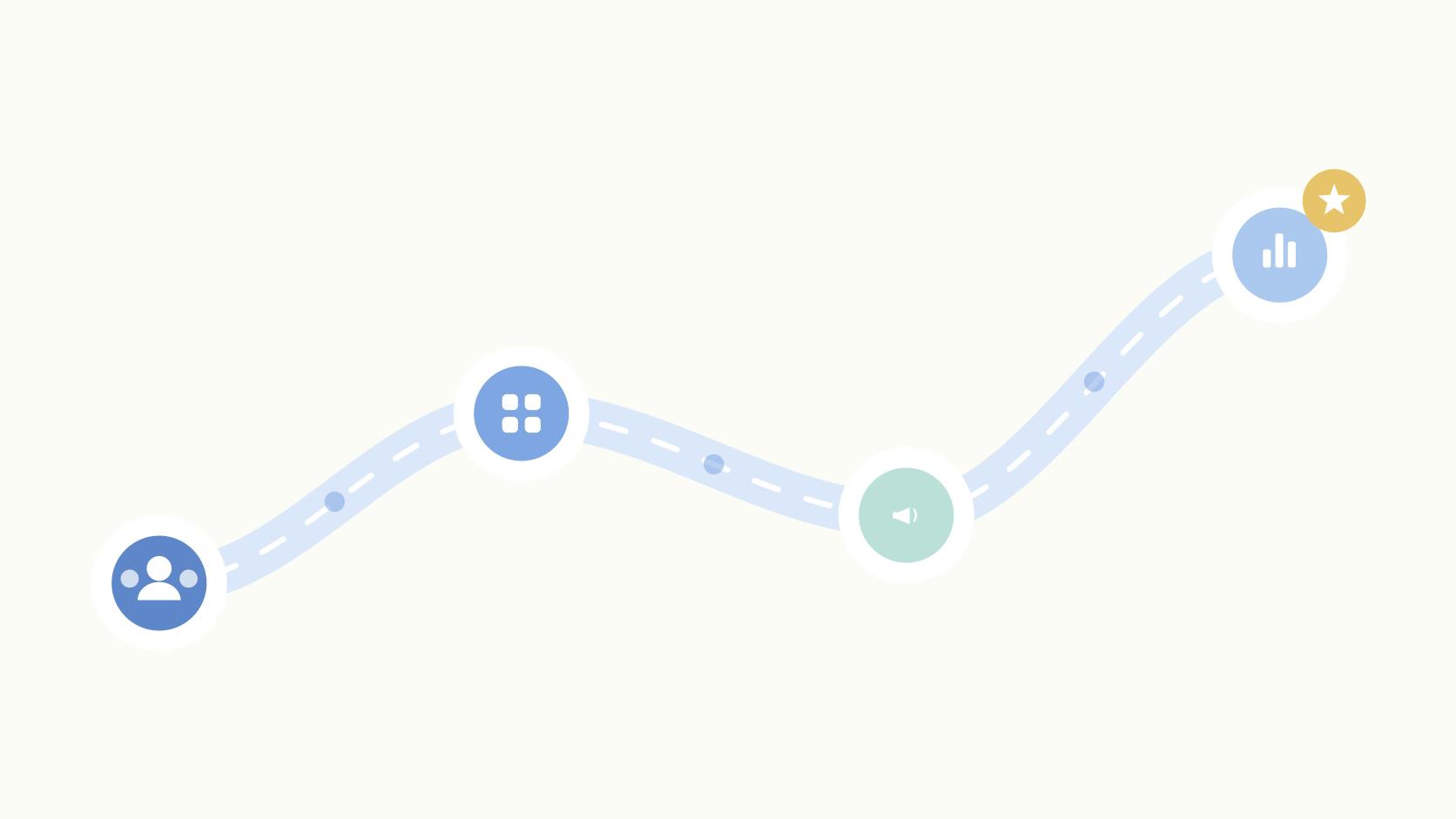
- Hire order: generalist creator, then community, then analytics, then paid, then strategist.
- Budget scales with headcount plus tooling and paid spend, not headcount alone.
- AI compresses the team. One strategist plus AI drafting now covers what used to need two creators.
- Fix your approval workflow before you hire your next person. It's the real bottleneck.
This is for marketing leaders and founders sizing up a social hire and trying to justify the budget with numbers, not vibes.
How Many People Do You Need on a Social Media Team?
A social media team's headcount tracks company stage: startups run on 1-2 generalists, mid-market companies typically need 4-6 people with the first specialists appearing, and enterprises need 8 or more including a dedicated analytics function. Since only 10.2% of marketers work on teams of seven to ten (Planable, 2026), most readers are under-resourced relative to their ambitions.
What drives the number is channel count, posting volume, and whether social feeds pipeline directly. A team running LinkedIn and X with three posts a week is a different animal from one running five channels daily while sourcing demo requests.
And one social media manager doing everything is a structural failure point the moment volume scales. That person drafts, publishes, replies to comments, pulls reports, and chases sign-off. Something gets dropped, usually the analytics or the community response, because those are the parts nobody notices until they're gone.
The Core Social Media Team Roles and the Order to Hire Them
Hire in this sequence, and hire each role only when you see the signal that the current setup is buckling.
- Generalist Content Creator and Manager: Owns drafting, scheduling, and publishing across channels. This is your first hire and often your only one for a while. Signal to hire: you, the leader, are drafting posts yourself at 9pm. See the full content creator role breakdown for what to screen for.
- Community and Engagement Manager: Handles comments, DMs, and the first-hour engagement that decides whether a post lives or dies. Treat this as its own function, not a creator side task. Signal: your posts get impressions but replies sit unanswered for hours.
- Analytics Specialist: Owns reporting, content-type analysis, and tying social activity to pipeline. Signal: leadership asks what social is doing for revenue and nobody can answer cleanly.
- Paid Social Specialist: Runs promotion, amplification, and testing. Signal: you're pouring budget into ads with no dedicated owner and the CPLs are climbing.
- Strategist or Team Lead : Sets direction, ties social to business goals, decides what gets made and why. This role becomes non-negotiable at the 6+ person tier, when coordination overhead starts eating output.
Notice the strategist comes last. You don't need someone to architect a program before you have a program to architect.
The Social Media Team Blueprint by Company Size
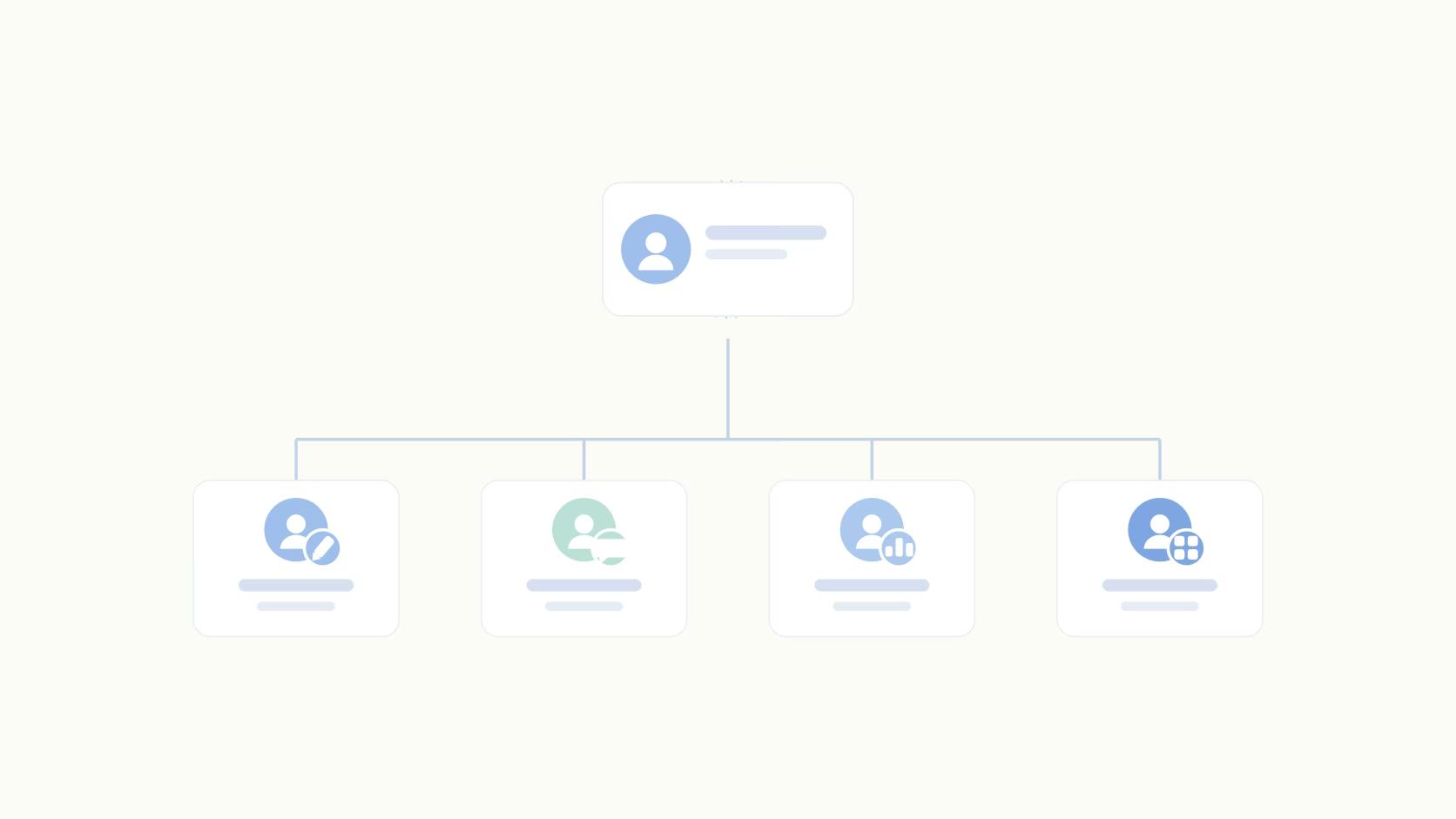
Social media team structure falls into three tiers: solo/startup runs 1-2 people on a lean tool budget, mid-market runs 4-6 with the first specialists, and enterprise runs 8+ with a dedicated analytics function. Reporting lines shift as you climb, moving from marketing to a split across marketing, comms, and the C-suite.
- Solo/startup: 1-2 people. A generalist plus fractional or freelance help for design or paid. Budget is one salary plus a management tool and modest ad spend. Reports into marketing, sometimes straight to the founder.
- Mid-market: 4-6 people. Your first real specialists appear here, usually community and analytics splitting off from the generalist. Budget carries multiple salaries plus paid social and tooling. Reports into a marketing lead.
- Enterprise: 8+ people. Dedicated analytics or social intelligence function, a strategist, paid specialists, and often regional or product-line creators. Reporting splits across marketing, corporate comms, and executive stakeholders.
Keep in mind that these tiers aren't rigid. A product-led company where social sources pipeline directly might staff a mid-market team at 30 employees. A services company might stay lean at 200. Volume and revenue contribution set the size, not the org chart.
In-House, Agency, or Hybrid Social Media?
Most B2B companies under 50 people should run a lean in-house core plus fractional or agency support, not a full in-house build. Building a large in-house team early ties up salary on capacity you can't keep fed with quality work.
The split works because the two sides are good at different things. An agency handles execution volume like the design, the format production, the multi-channel grind. Your in-house core owns voice and speed, the two things you can't outsource without the content sounding like a stranger wrote it. Your first hire builds the social media strategy and holds the pen on tone. The agency scales the output underneath that.
The obvious objection is that agencies don't sound like you. Fair, and it's a real failure mode. The hybrid model answers it directly. An agency drafts and produces, then your in-house owner edits and approves, so nothing ships until it passes the voice test. Where agencies genuinely win is multi-account volume and specialized formats like video or carousel production that would take you months to build in-house.
How AI Is Reshaping Social Media Team Headcount
AI doesn't eliminate roles, but it does let a smaller team punch above its weight if you adopt it deliberately instead of bolting it on. Right now, 35% of marketers aren't using AI in their social workflows at all, while 32% already use it for caption generation or copywriting (Planable, 2026). Roughly a third of teams are behind.
Here's the compression case. One strategist plus AI drafting now covers work that used to need a second creator. AI handles the first-draft volume, the strategist edits for voice and judgment, and you've collapsed two roles into one without losing quality.
The counterargument is that AI content sounds like AI, and it does when you feed it a blank prompt. The fix is voice grounding, drafting from a person's actual posting history and style rather than a generic template. AI content only works when the output carries real credibility, which means it has to sound like a specific human, not a model.
Workflow and Approvals: Where Social Media Teams Break as They Scale
More than 40% of marketers say content reviews and approvals are a major struggle (Planable, 2026), which makes it one of the biggest operational pain points on social teams right now.
It compounds with reactive planning. When 38% of marketers plan content only a week ahead and another 18% just two weeks out (Planable, 2026), there's no buffer to absorb a two-day approval delay. A post that needs exec sign-off on Monday for a Wednesday slot misses the window, and now you're publishing stale reactions to a news cycle that already moved on.
This is why hiring a second social person to fix the bottleneck buys more of the wrong solution. The problem is the process. Define who approves what, set a clear workflow, and give approvers a fast way to review before you add a single headcount.
Fix the process, then decide if you still need the hire.
That's also where a tool earns its place, replacing the Slack-and-spreadsheet duct tape with actual social media management tools. Ordinal handles blocking approval workflows where posts can't publish without sign-off, approvers get pinged in Slack, and they can edit and approve inline instead of pasting comments into a DM thread. The point is the workflow, but the right software makes the workflow stick.
Pick Your Tier, Then Fix the Process
So do three things before your next planning meeting. First, find your tier and name the next role in the hiring sequence, which for most teams is a community or analytics hire, not a strategist. Then, decide whether that role runs in-house or through an agency, and default to hybrid if you're under 50 people.
Finally, define your approval workflow before you scale volume, because a large share of teams are stuck there and another hire won't unstick them.
Frequently Asked Questions
How Many People Do You Need on a Social Media Team?
It depends on your stage. A startup can run on 1-2 generalists, a mid-market company typically runs 4-6 people with early specialists, and enterprises need 8 or more including a dedicated analytics function. Planable's 2026 research found that 37.5% of marketers still manage social completely solo, which means most teams are under-resourced for whatever they're trying to accomplish.
What Roles Make Up a Social Media Team?
The core social media team roles are content creator, community manager, analytics specialist, paid social specialist, and a strategist or team lead. Community management and analytics deserve their own hires rather than getting bolted onto a content creator's job. Smaller teams combine several of these functions into one generalist.
Should I Hire In-House, Use an Agency, or Go Hybrid?
For most B2B companies under 50 people, a lean in-house core paired with fractional or agency support beats building a full in-house team too early. In-house staff own your voice and can move fast, while agencies handle execution volume and specialized formats like paid campaigns or video. The hybrid model keeps costs manageable while protecting the authenticity that comes from someone who actually works at your company.
What's the Difference Between a Social Media Manager and a Social Media Strategist?
A social media manager runs day-to-day execution: publishing, scheduling, replying to comments. A strategist sets direction, connects social output to pipeline, and decides what gets made and why. Most teams don't need a dedicated strategist until they hit six or more people on the social function.
How Is AI Changing Social Media Team Structure?
AI lets a smaller team produce more without adding headcount, particularly for drafting and reporting. Planable found that 32% of marketers already use AI for copywriting, while 35% haven't adopted it in their workflow at all. The teams pulling ahead use AI to compress roles rather than replace human judgment.
Related Posts
Looking to learn more? The below posts may be helpful for you to learn more about social media and content marketing.